Last updated November 25, 2026



Free written scope consultation - allowances, timeline, and change-order rules on paper before a single trade is scheduled
DIY vs Professional Construction: The Citrus Heights Homeowner’s Decision Guide
Most homeowners deciding between DIY and a professional crew in Citrus Heights think the question is about confidence. It isn’t. It’s about exposure. A homeowner who lays their own tile in a bathroom here and then brings in a plumber can quietly void the warranty on the fixture installation, because the waterproofing and mortar bed they built are now part of the plumber’s liability. That’s not a skill problem. It’s a paperwork problem, and it’s the kind that doesn’t show up until water finds a seam. We wrote this guide to draw the line by task rather than by ego: which jobs a capable homeowner can legitimately own, which ones carry permit or warranty consequences, and how the real math shakes out in Citrus Heights.
Quick Answer
In Citrus Heights, the DIY-versus-pro decision comes down to three filters: does the task require a permit, does it affect the warranty on an installed product or system, and does a mistake create damage that costs more to fix than hiring the work would have? Painting, demolition, cabinet assembly and finish hardware almost always pass all three. Structural changes, electrical, plumbing, gas and waterproofing almost never do. Everything in between is a judgment call this guide walks through task by task.
Styles & brands we work with
- Kitchen remodeling
- Bathroom remodeling
- Home additions & ADU
- Roofing
- Windows & doors
- Driveway & pavers
- Fence
Table of Contents
- The Decision Framework: Permit, Liability, Skill Ceiling
- The Task-by-Task Matrix: 20 Common Remodel Jobs
- California Owner-Builder Permits and Resale Disclosure
- Real Cost Comparison: Tile, Painting, Cabinets, Landscaping
- Where Hybrid Projects Make the Most Sense
- Tool Rental Math at Sacramento-Area Suppliers
- Why Citrus Heights Homes Specifically Change the Equation
- Common Mistakes to Avoid
The Decision Framework: Permit, Liability, and Skill Ceiling
Forget the motivational framing. The right question isn’t “can I do this?” but “what happens if I do it and something goes wrong?” Three filters sort almost every remodel task cleanly, and they work the same whether you’re in a 1970s ranch near Sunrise Mall or a newer build off Antelope Road.
Filter one: permits. Work that requires a permit in Citrus Heights generally can’t be self-permitted unless you’re doing it on your own residence and living there. Permitted work also gets inspected, which means a third party checks the part of the job you can’t see once the drywall goes back up. Anything behind a wall, under a slab, or tied to the electrical panel or gas line belongs in this bucket.
Filter two: warranty and liability. Manufacturers set installation requirements. A tile system installed off-spec can void the membrane warranty. A plumbing fixture installed over someone else’s bad substrate can void the fixture warranty. This is where DIY costs hide. You can do beautiful work and still hand a future buyer an unenforceable warranty.
Filter three: skill ceiling. Every trade has a point where amateur execution stops being slow and starts being wrong. Setting tile on a flat floor is forgiving. Building a sloped shower pan is not. Wiring a three-way switch is learnable. Sizing a circuit for a new range is not a learning project.
- Passes all three: interior painting, demolition, finish hardware, cabinet assembly, landscaping refresh.
- Fails all three: electrical, plumbing rough-in, gas work, structural changes, shower waterproofing.
- Depends on scope: flooring, tile, drywall, cabinet installation, exterior painting.
The Task-by-Task Matrix: 20 Common Remodel Jobs
Here’s how the most common remodel tasks sort out in a Citrus Heights home. This is a planning aid, not a permit ruling. Always confirm requirements with the City of Citrus Heights building department before you start.
- Interior painting – no permit, warranty impact limited to paint manufacturer specs, low skill ceiling. DIY-safe.
- Exterior painting – no permit in most cases, but prep quality drives longevity. DIY with care, especially on siding that gets direct summer sun.
- Demolition – no permit, watch for asbestos and lead in older homes, low skill ceiling. DIY-safe with testing first.
- Cabinet assembly (RTA or boxed) – no permit, follows manufacturer instructions, low skill ceiling. DIY-safe.
- Cabinet installation (level, square, anchored) – no permit, but load-bearing and door alignment matter. Moderate risk.
- Countertop templating and installation – no permit, but slab handling is heavy and unforgiving. Professional work, and brands like Cambria and Silestone expect certified installers.
- Finish hardware (pulls, hinges, faucet trim) – no permit, low risk. DIY-safe.
- LVP or laminate floating floor – no permit, high DIY success rate on flat subfloors. DIY-safe.
- Engineered hardwood over concrete or transitions – no permit, requires moisture testing. Moderate risk.
- Tile on a flat floor (kitchen, entry, bath floor) – no permit, doable but grout lines show every error. DIY with patience.
- Shower wall tile and waterproofing – no permit for tile itself, but the waterproofing layer it depends on is where the liability lives. Professional work.
- Shower pan construction and slope – permit-adjacent and unforgiving. Professional work.
- Drywall patching (small) – no permit, low risk. DIY-safe.
- Drywall hanging and finishing a whole room – no permit, but finish quality is the difference between paint that looks clean and paint that telegraphs every seam. Moderate.
- Electrical outlet and switch replacement (like-for-like) – generally no permit, but only if the circuit is untouched. Careful DIY at best.
- Electrical panel work or new circuits – permit required, never DIY. Dangerous work.
- Plumbing fixture swap (same location) – often permit-exempt, but the warranty exposure on the fixture matters. Moderate.
- Plumbing rough-in or relocation – permit required. Professional work.
- Gas line work (range, dryer, water heater) – permit required, high injury risk. Professional only.
- Landscaping refresh – generally no permit for planting and finishes, but retaining walls above a certain height and any utility work need review. DIY-safe for the softscape portion.
The pattern is clear once you read down the list. The jobs that fail the filters are almost all MEP (mechanical, electrical, plumbing) and waterproofing. The jobs that pass are almost all finish work. That’s the line, and it’s where a single contractor running the whole scope removes the worst failure mode: five trades blaming each other while you hold the warranty.
California Owner-Builder Permits and Resale Disclosure
California allows an owner-builder to pull permits on their own residence, provided they intend to occupy it and aren’t doing the work for sale or resale. In plain terms: you can self-permit the remodel of the home you live in, but you cannot self-permit a flip, a rental you own, or construction on someone else’s property. This is not a loophole. It’s a specific allowance with specific rules attached.
What an owner-builder takes on:
- Responsibility for the work. The permit holder is legally responsible for code compliance, not just the person swinging the hammer.
- Inspections. You schedule them and you pass them. A failed inspection typically means rework, a re-inspection, and delays that cascade through the rest of the project.
- Resale disclosure requirements. When you eventually sell the home, you generally need to disclose that the work was owner-built and whether it was self-permitted. Buyers and their lenders ask. Some lenders want to see permit closure for any structural, electrical, plumbing or gas work.
- Worker classification and safety. If you hire a helper, you’re the employer. That’s a different kind of liability than most homeowners expect.
In Citrus Heights, roughly half the housing stock predates the 1990s, which means a permitted, closed, and inspected paper trail is worth real money at resale. A buyer’s home inspector will pull the permit history. An open or missing permit is a negotiating chip against you. An owner-builder project that got finished without a final inspection is worse than a permit that was never pulled, because it’s documented but incomplete.
Our honest recommendation: use the owner-builder allowance for projects you can genuinely supervise end to end, and hand off the permitted scopes to a licensed, insured professional. The written disclosure that follows is cleaner, and the warranty on the finished product is enforceable if you ever sell.
Real Cost Comparison: Tile, Painting, Cabinets, Landscaping
DIY budgets usually leave out the three costliest items: your time, tool acquisition, and the cost of a mistake. Here’s how the math shakes out for four of the most DIY-attempted tasks. Every number here is a typical range for the Sacramento-area market, and every project we bid is priced from a free, written, line-item estimate.
- Tile (floor, up to 100 sq ft): materials run roughly $400-$900 for mid-grade tile, thinset and grout. Add $150-$400 for a tile saw rental or purchase, plus 15-25 hours of your time. A contractor bid runs roughly $1,200-$2,800 installed. If the tile cracks from a bad substrate, remediation starts around $1,000 for tear-out and redo.
- Interior painting (one 12×14 room): materials run $80-$160 for a good-quality paint, primer, tape and roller covers. Time is 8-12 hours for prep and two coats. A professional bid runs roughly $500-$1,100 per room. Mistakes are cheap here; the DIY math usually wins unless prep work is heavy.
- Cabinet assembly and install (mid-size kitchen): boxed cabinets save per box, but alignment, shimming, and door and drawer adjustment can consume a weekend. A professional install runs roughly $1,500-$4,500 for the same kitchen depending on box count and finish. If the boxes are level but the doors don’t align, the brand doesn’t call it defective.
- Landscaping refresh (front yard, softscape and finishes): plants, mulch, edging and soil run $300-$900. A designed and installed refresh runs roughly $2,500-$8,000. DIY wins on effort, loses on plant survival when you skip soil improvement. And retaining walls above a certain height need a permit and engineering.
Two rules of thumb: if a mistake means tearing out and redoing, double the DIY budget for the mistake; and if the task requires a tool you wouldn’t keep after the job, price out the rental before you decide you’re saving money.
Where Hybrid Projects Make the Most Sense
The most practical remodel model for most Citrus Heights homeowners isn’t full DIY or full contract. It’s a deliberate split. You take the tasks that are genuinely safe to own and hand off the ones that carry permit, warranty, or injury risk. This is where the savings are real, because you’re contributing labor to the highest-hour, lowest-risk scopes.
A hybrid project usually looks like this:
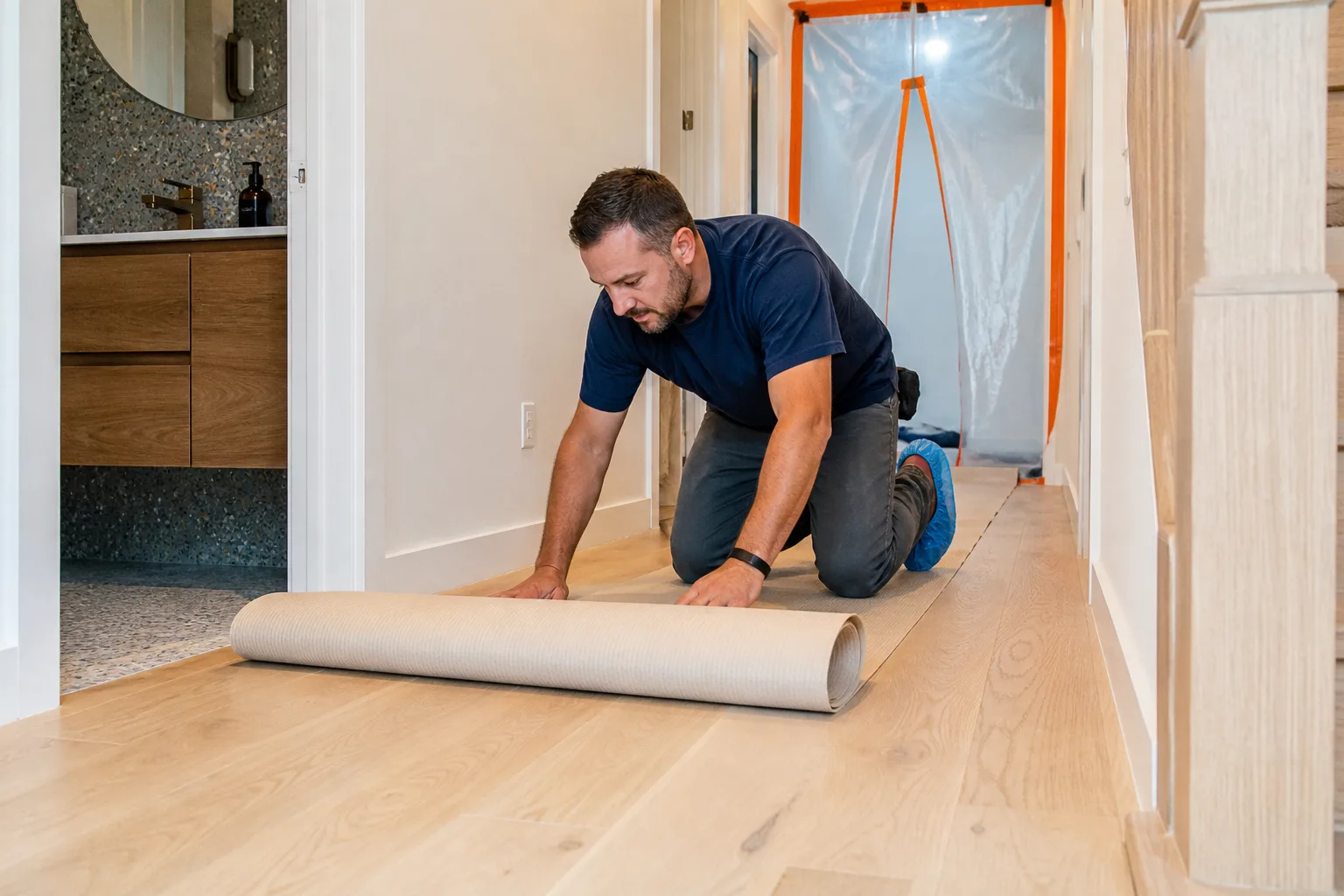
- Homeowner takes: demolition, protection of adjacent finishes, painting, cabinet assembly (not install), finish hardware, final cleaning.
- Contractor takes: structural changes, MEP rough-in and trim, waterproofing and tile, countertop templating, cabinet installation, permit management and inspection coordination.
- Both agree on the handoff points: when demo is complete and inspection-ready, when paint is finished before cabinets go in, when the final trim-out happens and by whom.
We’ve seen this split save homeowners real money on kitchen remodeling and bathroom remodeling projects, but it only works if the handoff points are documented. Without them, the painter blames the tiler, the tiler blames the framer, and you own all three warranties. Done right, you get the best of both: your hours on the parts that reward care and the contractor’s licensed, insured hands on the parts that don’t forgive error.
The other hybrid advantage is material choice. We work with 50+ vetted brands so you can pick a KraftMaid cabinet for the kitchen and a Delta faucet for the hall bath without compromising the install on either. You pick the finish; we handle everything behind the wall.
Tool Rental Math at Sacramento-Area Suppliers
One of the quietest failures of DIY budgeting is tool economics. The rule: if the tool costs more to acquire than the labor it saves, and you won’t use it again, you’re not saving money.
- Tile saw: purchase runs $150-$500 for a competent wet saw; a day rental from a Sacramento-area tool supplier typically runs $50-$90. For a single bathroom project, rental wins.
- Airless paint sprayer: purchase $250-$600; rental $70-$120 per day. For one room, brushes and rollers beat both. For a whole house exterior, the sprayer is worth the purchase or a multiple-day rental.
- Flooring nailer: purchase $350-$600; rental $50-$80 per day. Rental wins for one project unless you have multiple rooms.
- Rotary hammer for tile removal: purchase $300-$900; rental $50-$90 per day. Rental wins, and it isn’t a tool most homeowners want to store.
- Wet/dry vacuum for demo: purchase $80-$200. This one you’ll keep, and you should own it.
Now flip the math. A professional crew amortizes tools across dozens of projects, so the tool line item in a bid is typically a modest fraction of the job, not a per-project capital outlay. When you price a rental, a protective mat, a quality blade, and 12 hours of your time against a contractor bid, the DIY savings shrink fast. Trade-level detail matters too. When we install a Wet-area transition or a shower waterproofing layer, we use Schluter systems built to that spec, not a shortcut substitute. That’s installation quality, not just material quality.
Why Citrus Heights Homes Specifically Change the Equation
The Sacramento Valley climate is a genuine factor in any remodel decision, and it’s a big reason the DIY line moves around in Citrus Heights compared to wetter or colder parts of the country. Winters here are mild, so you don’t get the freeze damage patterns that dominate remodel advice written for other climates. But summers are long, hot, and dry, with stretches that hit triple digits.
What that means for these decisions:
- Exterior painting: prep and product selection matter more here than climate timing. Paint that cures too fast in summer sun fails early. Choose a quality exterior system and follow the manufacturer’s temperature window.
- Tile and flooring: slab moisture is the local wildcard. Always test before installing over concrete, even with waterproof products. A professional installer tests; a DIYer often doesn’t.
- Deck and exterior trim: covered or shaded structures last longer than sun-exposed ones. This is a design choice, not a skill choice.
- Landscaping: plant selection dominates cost. Drought-tolerant plants that suit the Valley outperform thirsty plantings by a wide margin.
- Roof and attic work: summer heat makes roof work dangerous in a different way than in cold climates. Attic temperatures in Citrus Heights in July can make unvented work unsafe. This is professional territory.
None of this means DIY is a bad idea. It means the local environment narrows the safe DIY list slightly and amplifies the value of a contractor who knows how Citrus Heights homes behave in this climate. Our technicians have up to 15 years of experience with exactly this kind of work.
Common Mistakes to Avoid
- Self-permitting without reading the owner-builder rules. A homeowner can self-permit a residence they occupy, not a rental or a flip. Skipping this distinction creates resale problems that can cost more than the permit ever would.
- Laying tile before testing the slab. Sacramento-area slabs transmit moisture. Skip the test and the tile does eventually fail, and remediating it usually costs double the tile budget.
- Waterproofing a shower without the manufacturer’s spec sheet. Modern waterproofing systems require specific thicknesses, overlaps, and compatible thinset. A DIY install that fails spec often voids the product warranty.
- Buying a specialty tool to save a day of labor. A tile saw you’ll use once is money you’ll never see again. Rent or hire the labor.
- Assuming the brand will warranty a bad install. Even a premium fixture fails coverage when it’s installed over someone else’s improper substrate. This is where a hybrid project without documented handoffs falls apart.
- Booking a permit-driven project around summer heat. Tile setting, exterior paint, and roof work all behave differently in Citrus Heights in July. Plan installation windows, not just material choices.
- Treating “no permit” as “no risk.” Painting, cabinet assembly, and demolition are permit-free in most cases, but fire-blocking, lead paint, and asbestos in older homes still need to be handled properly.
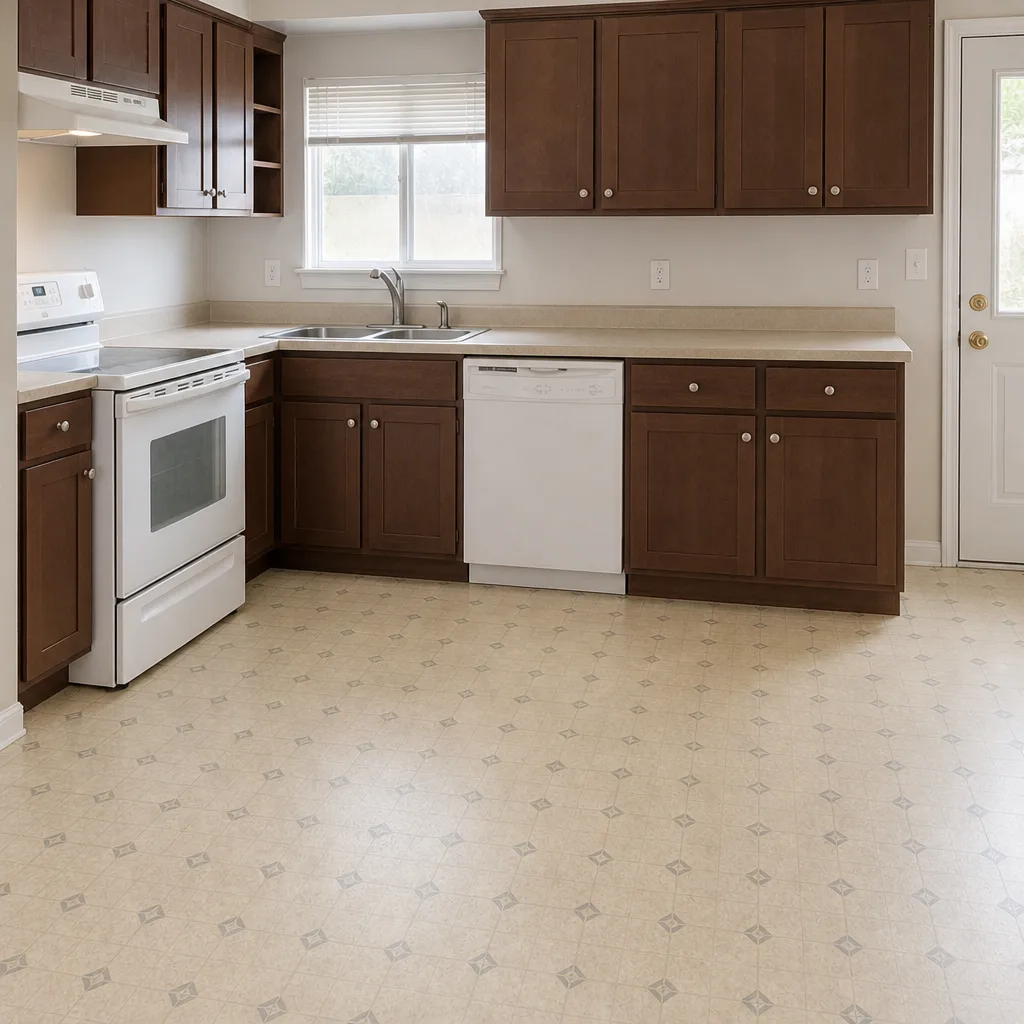
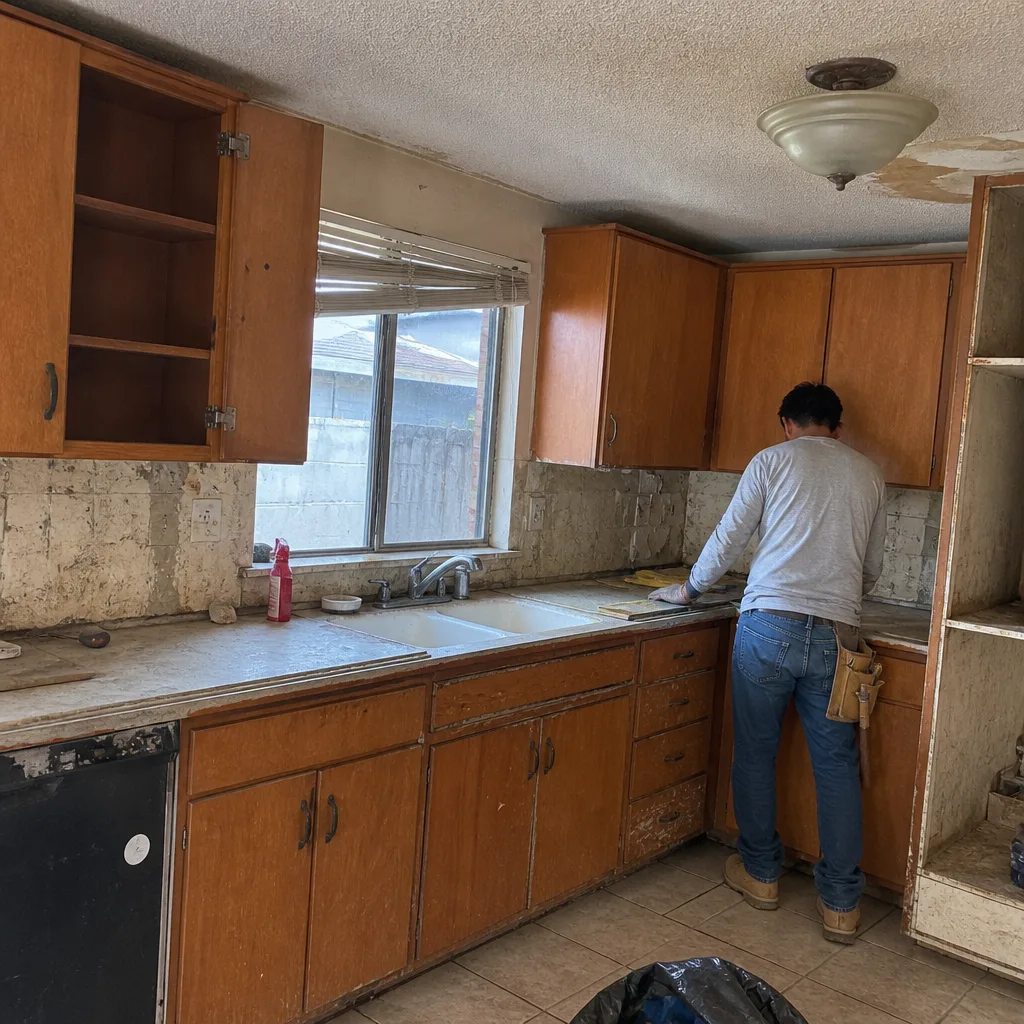
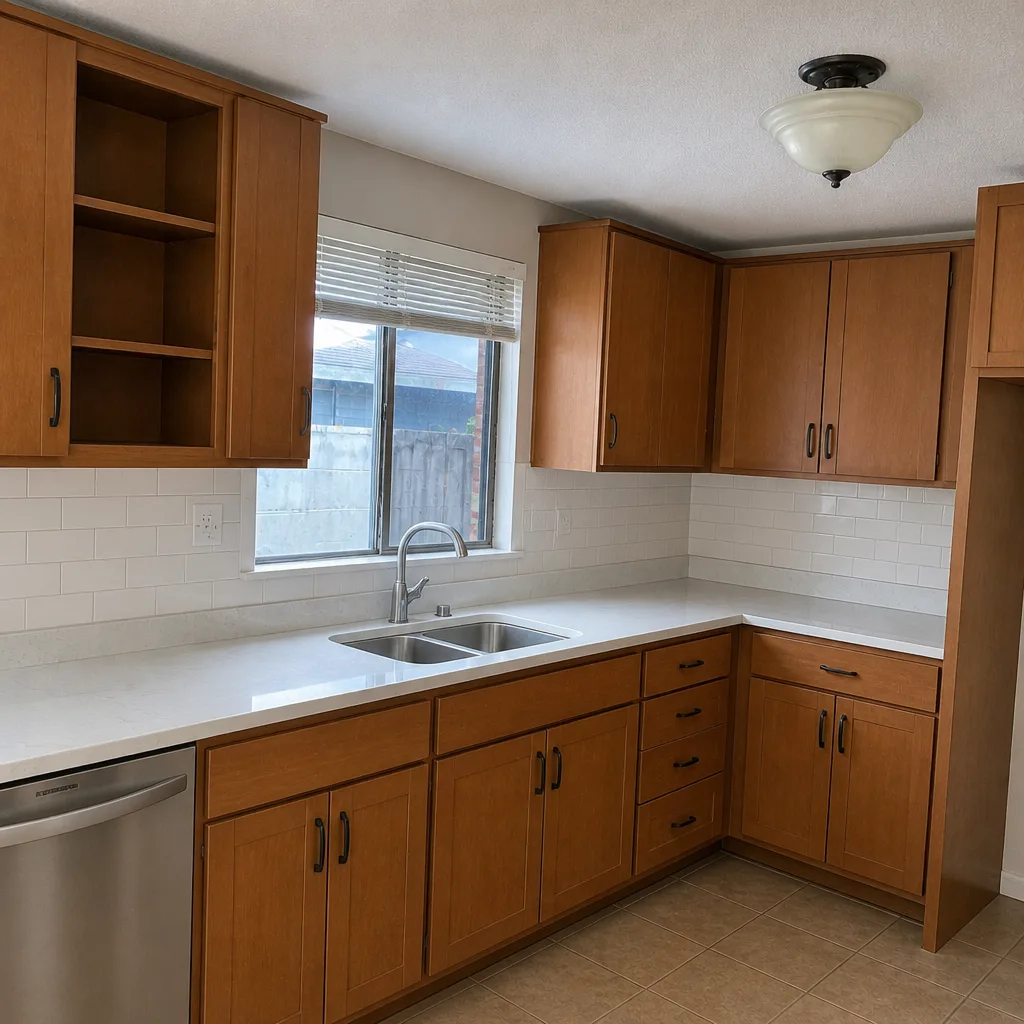
See the difference
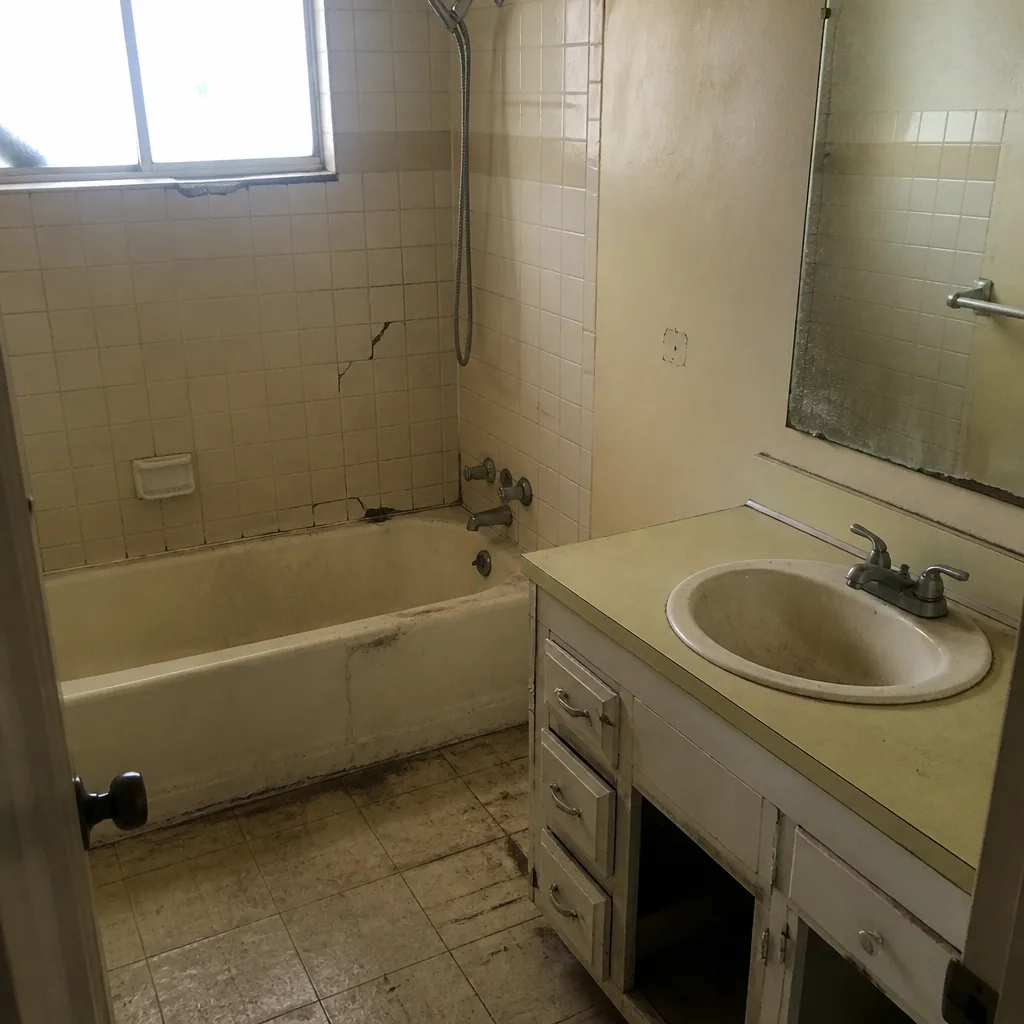 Before
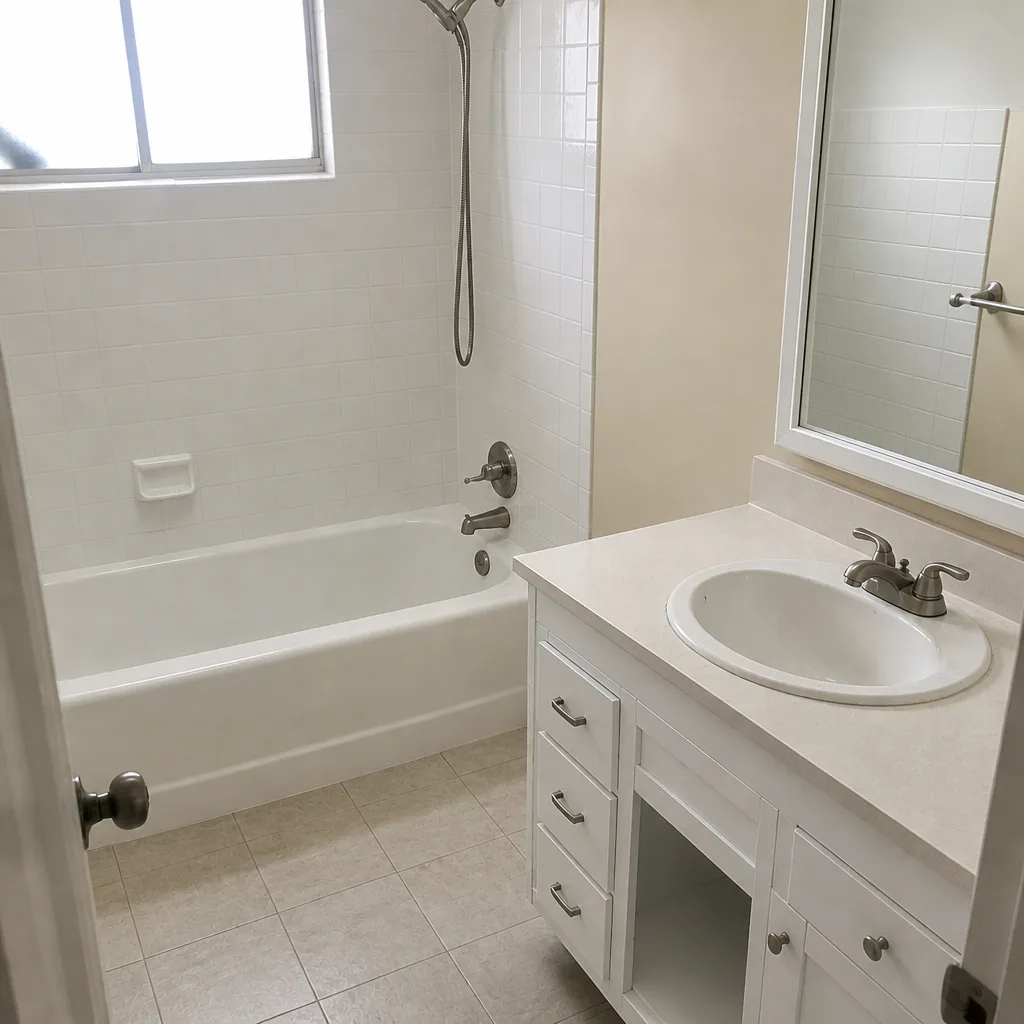 After
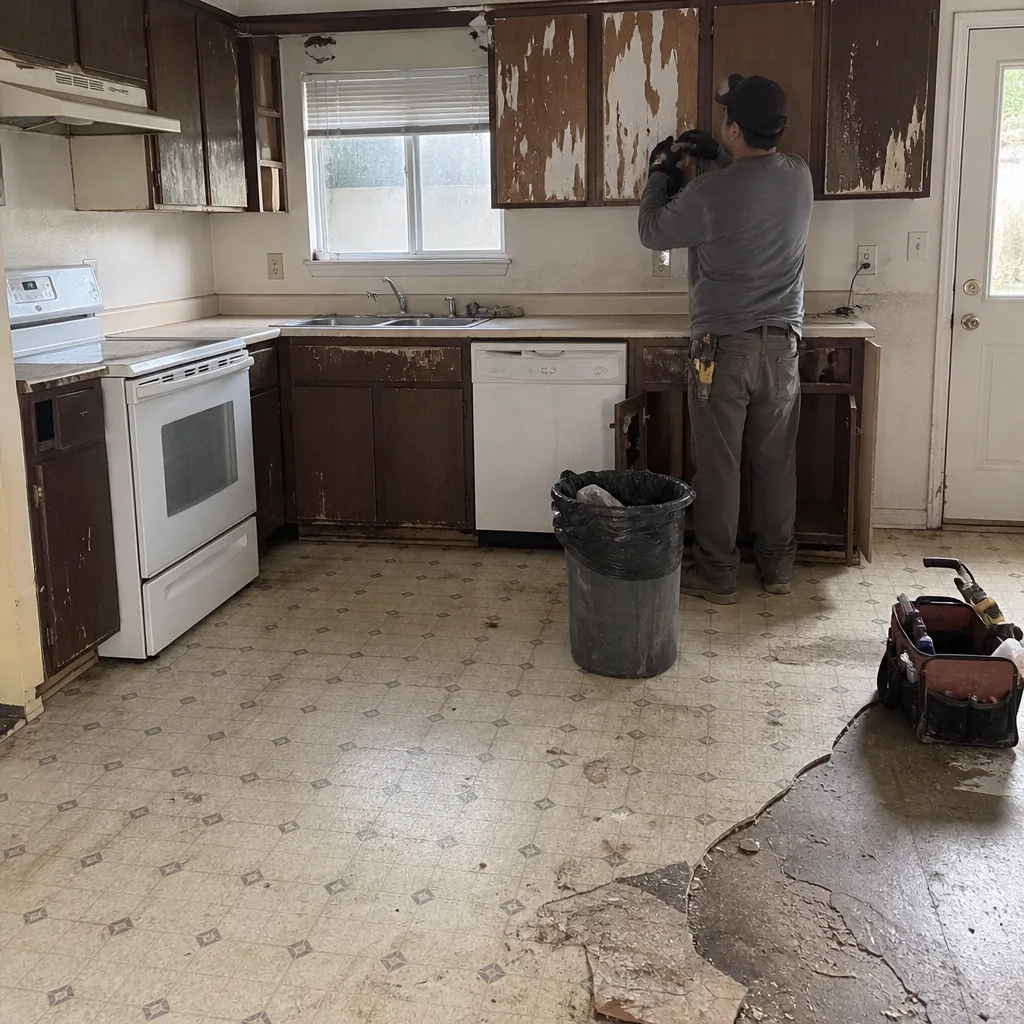 Before
 After
 Before
 After
When to Call a Professional
Call a professional when the work touches a permitted scope, a gas or electrical connection, a shower waterproofing layer, or a warranty on a branded product installed by someone else. Call when the tool cost alone exceeds the labor savings, or when a mistake would mean tearing out and redoing rather than patching. Call when the project’s handoff points are complex, because that’s when a single contractor, start to finish, removes the blame problem. And call when the timeline matters more than the savings, since a licensed, insured pro moves faster on the scopes that require inspections. Remodeling Citrus Heights offers free estimates in Citrus Heights; call (279) 201-5321. Every project starts with a written, line-item estimate, and the price is set by that estimate, not by a change order or a surprise. If you’re planning a larger scope, our home remodeling team can walk you through the whole sequence. We answer 24/7. Fast dispatch from 7am to 7pm, Sunday through Friday.
Frequently Asked Questions
Yes, if you’re an owner-builder occupying the home you’re remodeling. California allows self-permitting for a residence you live in, but not for a rental, a flip, or a home you’re building for sale. Call (279) 201-5321 for an exact quote on the permitted scopes – estimates are free.
It can, when the installation doesn’t follow the manufacturer’s spec. Countertops, plumbing fixtures, and tile waterproofing all carry installation requirements tied to warranty coverage. A properly licensed, insured installer is the cleanest way to keep the warranty enforceable. Get a free written estimate from us if you want the coverage question settled upfront.
A typical floor tile install in a 100-square-foot bathroom runs roughly $1,200-$2,800 installed in the Sacramento-area market, including materials and setting. Shower tile and pan work run higher because of the waterproofing layer. Call (279) 201-5321 for an exact quote – estimates are free.
No. We set the price per job from the free written, line-item estimate, and we don’t issue change orders for scope already agreed. If something hidden turns up behind a wall, we document it and quote it before touching it. Call (279) 201-5321 to book your estimate.
Usually not for cabinet replacement in the same location, but it depends on the scope. If you’re relocating plumbing, adding a hood vent, or adding an electrical circuit, a permit is required. The local pro is licensed and insured as their state requires, and pulls the permits that apply. Call (279) 201-5321 for an exact quote.
A bathroom runs roughly two to four weeks and a kitchen runs roughly four to eight weeks for the scopes we handle, depending on material lead times and inspection scheduling. Handoff-heavy hybrid projects run closer to the long end. Call (279) 201-5321 to schedule your free estimate and get a timeline built around your project.
The Bottom Line
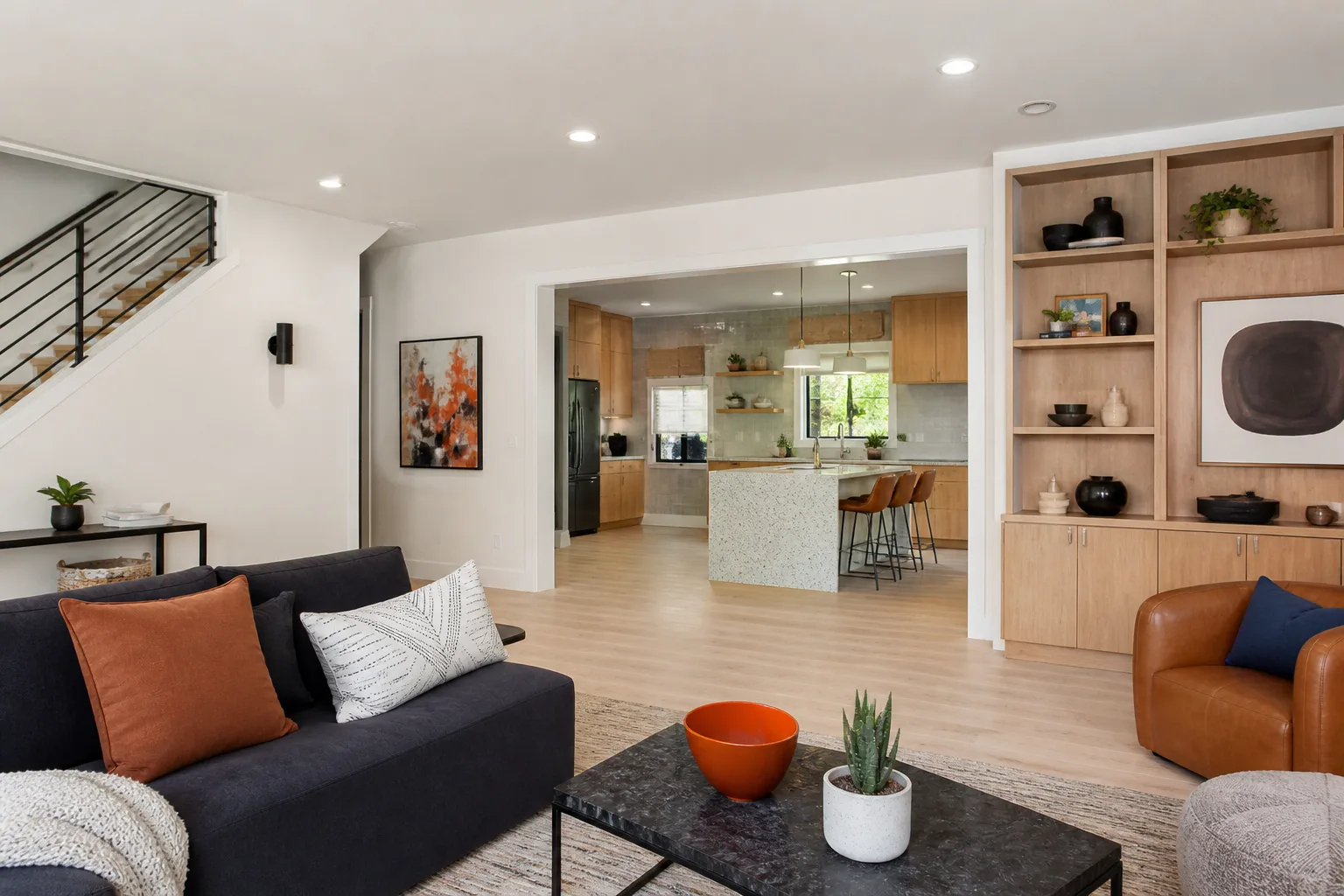
DIY is the right call for the tasks that pass the three filters: no permit required, no warranty at risk, and a mistake that’s cheap to fix. That means painting, demolition, cabinet assembly, finish hardware, and a softscape landscaping refresh. Everything behind a wall, tied to the electrical panel or gas line, or sitting under a waterproofing layer belongs with a licensed, insured professional. In Citrus Heights, the mild winters and hot summers make it slightly easier to paint and slightly harder to plan tile and roof work, but they don’t change the core math. Run the numbers on tool rental, mistake remediation, and resale disclosure before you pick up a hammer. Whether you’re taking the hybrid route or handing the whole scope off, the first step is a free written estimate. Call (279) 201-5321. We answer 24/7, with fast dispatch from 7am to 7pm, Sunday through Friday, and we’re closed Saturday.
For a whole-home scope, start with Remodeling Citrus Heights and we’ll walk you through the sequence of trades, handoffs, and inspection milestones. If your project includes kitchen remodeling or bathroom remodeling, we’ll bring the same playbook for the tile, plumbing, and cabinet scopes that most often trip up DIY installs. You pick the finish; we handle everything behind the wall.
Written by the team at Remodeling Citrus Heights.