Last updated November 25, 2026



Free written scope consultation - allowances, timeline, and change-order rules on paper before a single trade is scheduled
How to Hire a Construction Contractor in Citrus Heights: A Step-by-Step Guide
Most homeowners vet a contractor by checking one thing: does the license number come back active in the CSLB database? That’s the right instinct, but it’s only half the picture. A contractor can hold a valid California license and still be the wrong fit for your project if the license class doesn’t cover the scope you’re hiring for, and mismatched classes are one of the most common reasons residential remodeling contracts turn unenforceable when something goes sideways. In a market like Citrus Heights, where a lot of housing stock dates to the mid-century boom and where remodel scopes range from a single bathroom to a full interior rework, the paperwork matters as much as the craftsmanship. This guide walks you through a repeatable vetting process: how to read a CSLB license, which insurance certificates to request and why, how to check a contractor’s permit history before you sign, and the contract clauses that protect you if a subcontractor walks mid-job. By the end, you’ll have a framework for comparing bids on equal terms instead of comparing gut feelings.
Quick Answer
To hire a construction contractor in Citrus Heights, verify the contractor’s CSLB license class matches your project scope, request current general liability and workers’ compensation certificates (plus an umbrella policy for larger residential projects), review their permit history through Sacramento County’s public portal, and compare at least three bids using an identical line-item format. Never sign a contract that lacks a payment schedule tied to milestones, a lien waiver policy, or defined allowances for materials.
Styles & brands we work with
- Kitchen remodeling
- Bathroom remodeling
- Home additions & ADU
- Roofing
- Windows & doors
- Driveway & pavers
- Fence
Table of Contents
- Understanding CSLB License Classes for Your Project
- The Insurance Certificates to Request Before Signing
- How to Check a Contractor’s Permit History in Citrus Heights
- Reading the Proposal: Red Flags and Hidden Liability
- How to Compare Three Bids on Equal Terms
- The Three Contract Clauses That Protect You
- Managing Subcontractors and Single-Point Accountability
- Timelines, Materials, and Local Realities
Understanding CSLB License Classes for Your Project
The Contractors State License Board (CSLB) issues licenses by classification, and each class defines what work a contractor is legally allowed to perform. Most homeowners know to check that a license is “active” but stop there. The class is what tells you whether the contractor can actually do the work you’re asking for.
Here’s how the classes break down for typical residential remodeling in Citrus Heights:
- Class B (General Building Contractor): Can take a whole-project contract and self-perform most trades. A B license typically requires the contractor to hold specialty licenses for work in which they don’t have their own license, or to subcontract that work to a properly licensed specialty contractor. In practice, a B contractor running a kitchen remodeling job will self-perform the structural and finish carpentry and bring in licensed electricians and plumbers for the trades outside their own classification.
- Class C-10 (Electrical): Required for electrical systems work. A B contractor cannot legally self-perform C-10 work unless they also hold the C-10 license.
- Class C-36 (Plumbing): Required for plumbing systems work, same logic as electrical.
- Class C-33 (Painting): A dedicated painting classification. Interior and exterior painting is often folded into a B contractor’s scope, but a dedicated paint job on a Citrus Heights home is sometimes better handled by a C-33 holder.
- Class C-54 (Tile): Ceramic and mosaic tile work. Wet-area tile in a bathroom involves waterproofing details that a C-54 is trained for specifically.
When you’re evaluating a contractor for a home remodeling project, ask directly: “Which parts of this scope will you self-perform, and which parts will be subcontracted? Can I see the subcontractors’ license numbers before work starts?” A contractor who can answer that cleanly is showing you their license structure, not just their marketing.
The Insurance Certificates to Request Before Signing
California requires licensed contractors to carry certain insurance, but the certificate types and coverage limits vary, and the document you want to see is the actual certificate of insurance (COI) naming you as the additional insured for the duration of the project.
Here are the three certificate types to request, and why each matters:
- General liability (GL): Covers third-party bodily injury and property damage that arises during the job. For a residential remodel in the $50K – $200K range, you want to see a GL limit that matches the exposure of the project. A common residential minimum is $1 million per occurrence, but larger scopes should be reviewed with an umbrella above the GL.
- Workers’ compensation: Covers injuries to the contractor’s employees while they’re on your property. If a worker is injured on your job and the contractor doesn’t carry workers’ comp, your homeowner’s insurance can end up on the hook. Ask for the workers’ comp certificate and confirm the classification matches residential construction, not just commercial.
- Umbrella (excess) liability: Sits above the GL to cover losses that exceed the primary limit. For projects in the $100K+ range, an umbrella policy in the $1M – $2M range is a reasonable ask. Not every residential contractor carries one, but the ones who do are signaling that they take larger scopes seriously.
Two details get skipped: the certificate should show the policy effective date covers your entire project window, and your name should appear as the certificate holder or additional insured. The local pro is licensed and insured as their state requires, but verifying the certificate is your job before work starts.
How to Check a Contractor’s Permit History in Citrus Heights
Sacramento County maintains a publicly accessible permit portal where you can look up permit history by address, contractor name, or license number. This is the most underused tool in contractor vetting, and it takes about ten minutes.
Here’s the process:
- Open the county permit search. Search by the contractor’s business name or license number to see permits pulled under their license in the last several years.
- Look at the permit types. A contractor who regularly pulls permits for kitchen and bath remodels in Citrus Heights is showing you they work within the inspection system. A contractor whose permit history is thin or dominated by small jobs when they’re bidding on a large scope is a red flag.
- Check the permit status. Open permits are the ones that matter. If a contractor has permits that were pulled years ago and never closed out, that’s a pattern of work that wasn’t inspected or signed off.
- Check the inspection results attached to completed permits. Passing inspections on structural, electrical, and plumbing work is the objective record of the work getting done to code.
- Ask the contractor directly: “How many permits have you pulled in Sacramento County in the last 12 months, and would you be pulling the permits for my project?” Their answer, cross-checked against the portal, tells you whether the answer is real.
Ask specifically whether the contractor pulls permits or asks the homeowner to pull them. A contractor who expects you to pull the permits is either avoiding the inspection process or offloading the risk. On any scope that touches structural, electrical, plumbing, or gas, the licensed contractor should pull the permit.
Reading the Proposal: Red Flags and Hidden Liability
Proposals are where good intentions get lost in language. The three phrases that cause the most disputes on Citrus Heights remodels are vague allowances, missing payment schedules, and open-ended time-and-materials clauses.
Vague allowances. An allowance is a dollar figure in the contract for a material the homeowner will choose later, like tile or fixtures. An allowance of “$X for tile” sounds clear until you learn that X doesn’t cover the material you actually want. Ask for allowances to be itemized by material category and to state a clear process for what happens if the homeowner selects material above or below the allowance. Written allowances, written revision process, written change order. Anything less invites cost overruns.
Missing payment schedules. A proposal without a milestone-based payment schedule is a proposal without a delivery accountability structure. Legitimate schedules typically tie payments to inspections or completed phases, hold a retainage until closeout, and never ask for more than a modest deposit before work begins. California limits the deposit a licensed contractor can collect on a home improvement contract, and the written estimate should show you exactly when each payment is due.
Time-and-materials (T&M) clauses. A T&M contract pays the contractor for the actual hours worked and materials purchased, plus a markup. In a small scope with a well-defined finish, T&M can be fair, but on a $100K+ remodel it transfers all the uncertainty to you. If a proposal includes T&M language, ask for the markup percentage and a not-to-exceed cap in writing, or ask for a fixed-price structure instead. The written estimate should tie the price to specific line items, and the final written estimate sets the price.
The broader point: read every proposal with the question “what does this language commit the contractor to, and what does it commit me to?” If the answer is asymmetric, ask for a rewrite before signing.
How to Compare Three Bids on Equal Terms
Comparing three bids is easy if the bids are apples to apples. The difficulty is that most proposals are structured differently, so you end up comparing a fully itemized bid against a sentence-long number and a vague promise.
The fix is to build a side-by-side comparison table with these rows:
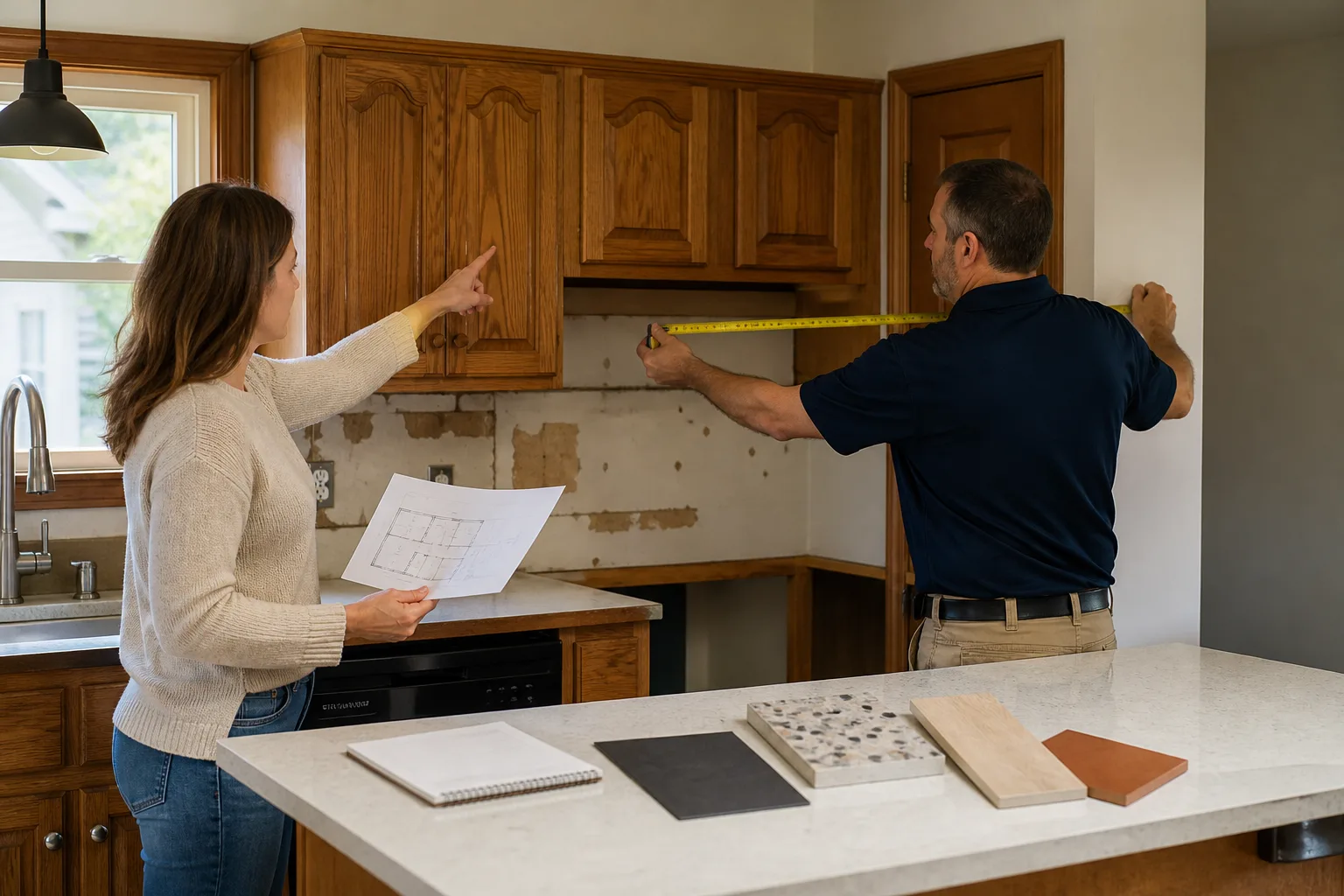
- Total scope, itemized. Ask each contractor to break the project into the same categories (demo, framing, rough plumbing, rough electrical, drywall, cabinetry, countertops, tile, paint, flooring). Require line-item values, not lump sums.
- Excluded scope. Explicitly list what each bid does not include. Lumber, drywall, paint, and waste removal are common exclusions that quietly turn into change orders.
- Material allowances. Match the allowances row by row. A contractor who names specific materials and brands makes the comparison concrete. When one bid says “cabinet allowance: $X” and another says “KraftMaid or Wellborn cabinetry, homeowner-selected within allowance,” you can see the difference in one line.
- Warranty terms. Workmanship warranty length, product warranty terms, and what actually happens if a defect shows up 18 months after the job closes.
- Lien waiver policy. Whether the contractor issues conditional and unconditional lien waivers tied to each payment. This is the row most homeowners skip, and it’s the one that protects your property title from subcontractor liens.
- Change order policy. How change orders are priced, who signs off, and whether the contractor can proceed on an unapproved change.
- Payment schedule. Deposit amount, milestone schedule, retainage.
The right bid isn’t always the lowest number. The right bid is the one whose line items you can read and whose commitment you can hold to. A quote with specific brands, itemized allowances, and a written schedule is more valuable than a lump sum that saves a few percent up front and costs more later.
The Three Contract Clauses That Protect You
If a contractor pulls out or a subcontractor abandons a job mid-project, the specific contract language is what determines whether you’re protected or exposed. Three clauses matter most.
- The completion schedule clause. The contract should specify a start date, a schedule of phases, and a defined completion date for each major phase. It should also state what happens if the contractor misses a phase – typically a written notice requirement and a remedy (cure period, right to terminate, holdback release). Vague “work to be completed in a reasonable time” language gives you nothing enforceable.
- The termination and transition clause. If the contract has to be terminated mid-project, the clause defines what happens to materials already purchased, permits already pulled, subcontractor relationships, and any prepayments. A good clause lets the homeowner terminate for cause and recover the unused portion of any advance, and it defines how the contractor must hand off to a successor.
- The lien waiver and indemnity clause. The contractor should commit to providing conditional lien waivers from subcontractors and suppliers with each payment, and unconditional waivers on final payment. The indemnity clause should require the contractor to defend you against claims arising from their work or their subs’ work.
Ask to see a sample contract before you sign. A contractor who won’t show you the standard contract language has something to hide, and a contractor who points you to clean, plain-language versions of those three clauses is showing you exactly how they expect the project to run.
Managing Subcontractors and Single-Point Accountability
Most Citrus Heights remodels involve multiple trades. A contractor is the person who coordinates the sub schedule, verifies sub licenses, and stands behind the finished work as one contract. When the sub trades are managed separately – one contract for the kitchen, another for the bathroom tile, a third for paint – the coordination burden and the accountability for defects both shift to you.
When you’re vetting a contractor, ask:
- Which trades will be subcontracted, and who are the subs?
- Can you see sub license numbers and certificates of insurance before work starts?
- Who is the point of contact if a sub doesn’t show up or does substandard work?
- How are sub payments released, and are they tied to the same milestone schedule you’re on?
The answers tell you whether you’re hiring a general contractor who owns the whole finish, or a broker who’s coordinating strangers. A bathroom remodeling job with a single contract that includes tile setting, plumbing rough-in, and finish painting keeps one party responsible for the finished room. That single-point accountability is worth more than a marginally lower bid that splinters the scope.
Timelines, Materials, and Local Realities
Citrus Heights has a mild inland climate, which means most exterior painting and flooring work can happen year-round without worrying about freezing temperatures or snow melt. The seasonal constraint that actually matters is rain – roughly November through April in Sacramento County – which can delay exterior painting and any project that needs the exterior envelope open.
Timeline expectations for a typical Citrus Heights remodel:
- Bathroom remodel: 4 – 8 weeks from demo to closeout, depending on scope and material lead times.
- Kitchen remodeling: 8 – 14 weeks for a full scope with new cabinetry and countertops, driven mainly by cabinet and stone lead times.
- Flooring installation (whole-home): 3 – 7 days depending on square footage and whether subfloor prep is needed.
- Interior painting (whole-home): 4 – 10 days depending on square footage, prep, and finish coats.
Material selection is where timelines get long. Cabinet and countertop lead times drive kitchen schedules, so ask the contractor to confirm lead times in the proposal against a specific material choice, not a category. A contractor who can name a specific cabinet line – KraftMaid, Wellborn – and a specific stone line – Cambria, Silestone, Caesarstone – can usually give you a more accurate lead time than a contractor who quotes “cabinet allowance: TBD.” Same with plumbing fixtures: Kohler, Grohe, Toto, Moen, Delta, and American Standard all have different availability cycles, and the finish schedule is set by what actually ships.
If your scope touches exterior cladding, ask about material-specific installation specs. James Hardie products have written installation requirements, and the contractor should be able to tell you how they meet them. Roofing isn’t typically part of a full remodel scope, but if it enters the conversation, that’s a trade-specific specialty – a roofing contractor, not a general remodeler – and the same license-class rules apply.
Common Mistakes to Avoid
- Vetting the license number but not the license class. An active B license doesn’t confirm the contractor can self-perform electrical or plumbing work. Check the classification before you assume the scope is covered.
- Skipping the insurance certificate review. A quick “we’re fully insured” line in an email is not a certificate. Ask for the current COI with your project’s effective date and your name on it.
- Assuming bids are apples to apples. Three bids with different scope and allowances are three different projects. Build a row-by-row comparison or you’ll compare the wrong numbers.
- Ignoring the permit history. Sacramento County’s public portal shows you what a contractor has actually pulled, and open permits from years ago are a signal of deferred closeout.
- Signing a proposal without a milestone payment schedule. A lump-sum deposit with no phased payments gives you no leverage if the work stalls.
- Accepting vague time-and-materials clauses on large scopes. Ask for a not-to-exceed cap or a fixed price, and put the markup percentage in writing if T&M stays.
- Letting a single bid decide without comparing change order policies. A bid that looks lower can cost more after the first change order if the change policy has no price discipline. Homeowners in Citrus Heights often find that the contractor with the cleanest change order language wins the project on total cost, not just on the bid sheet.
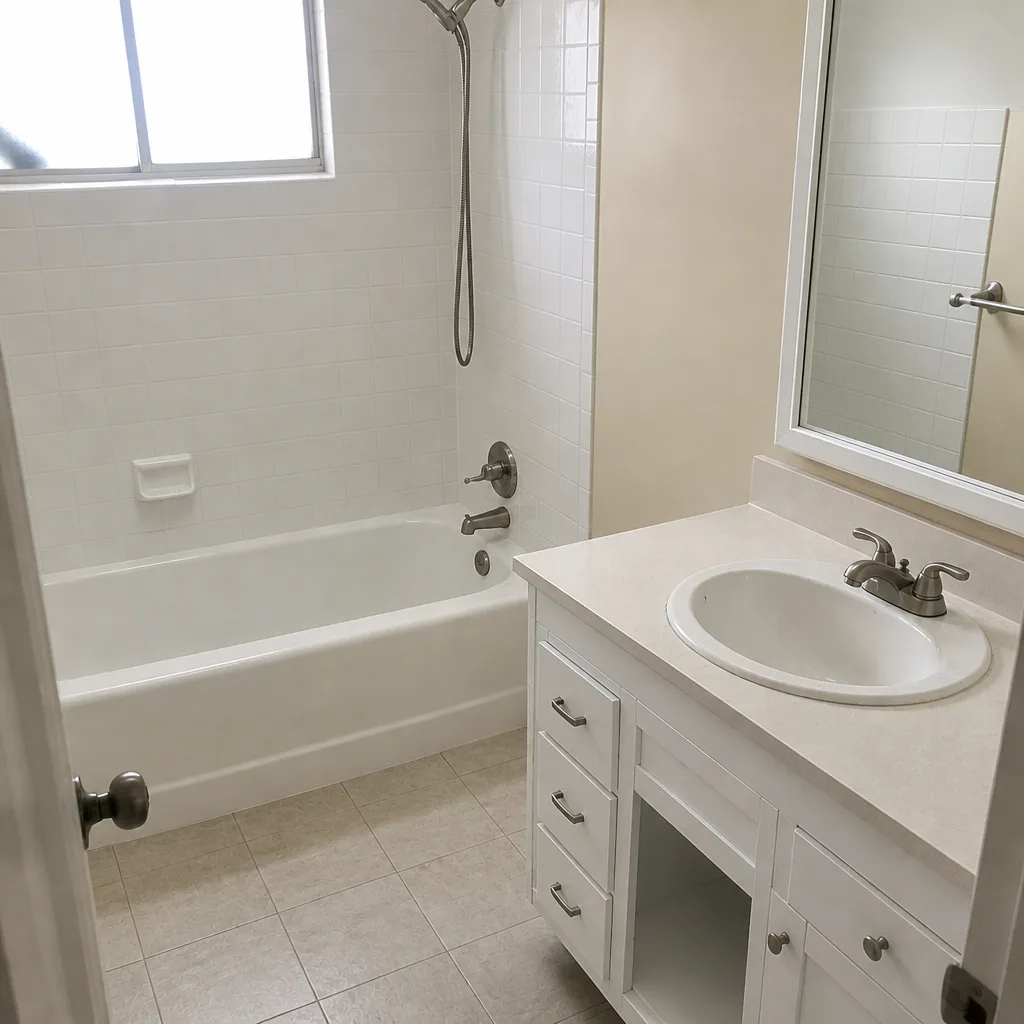
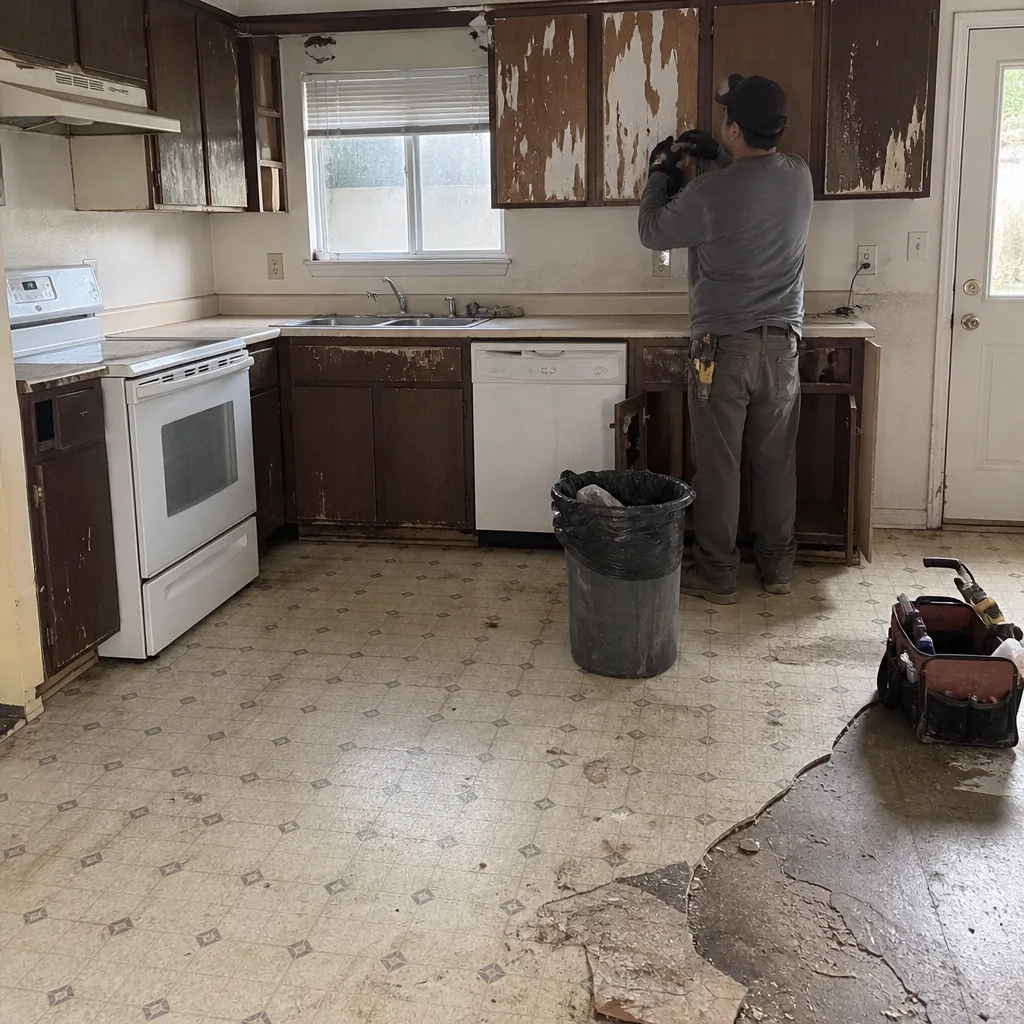
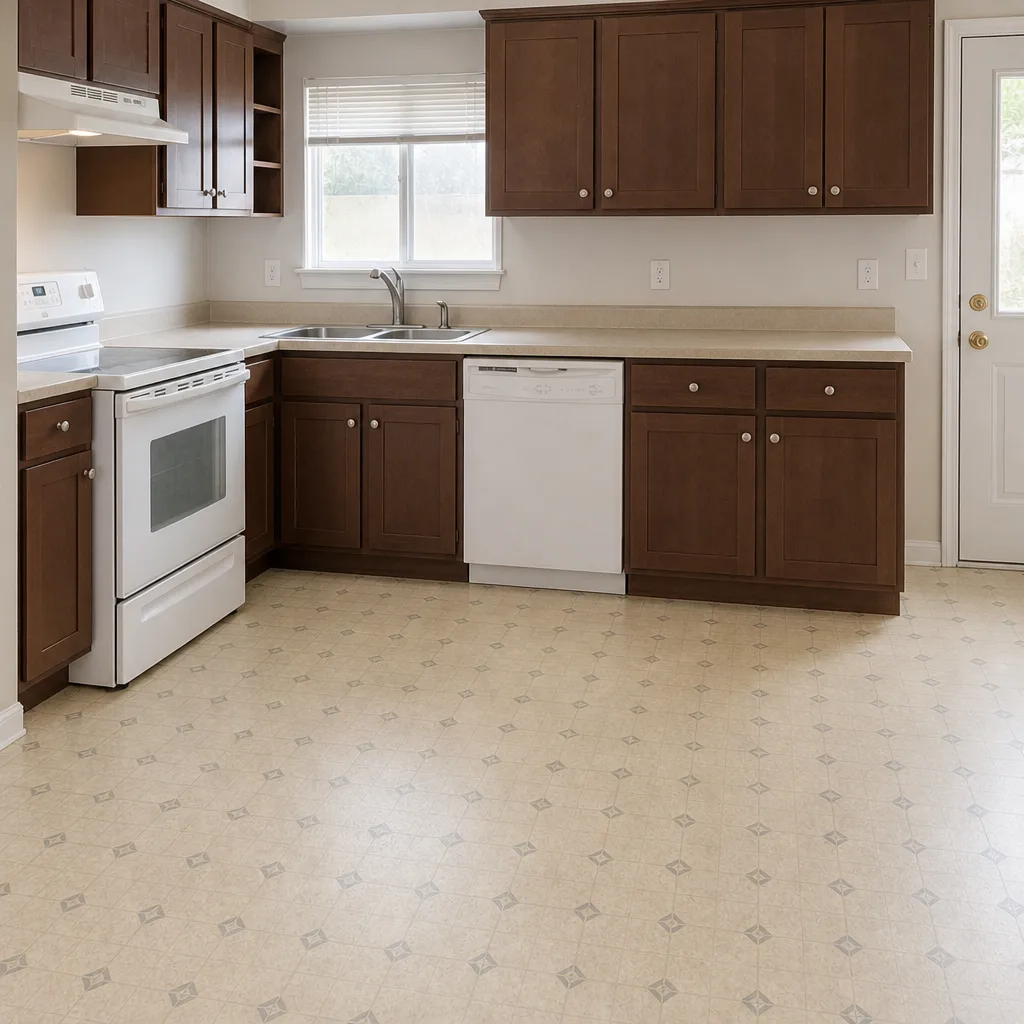
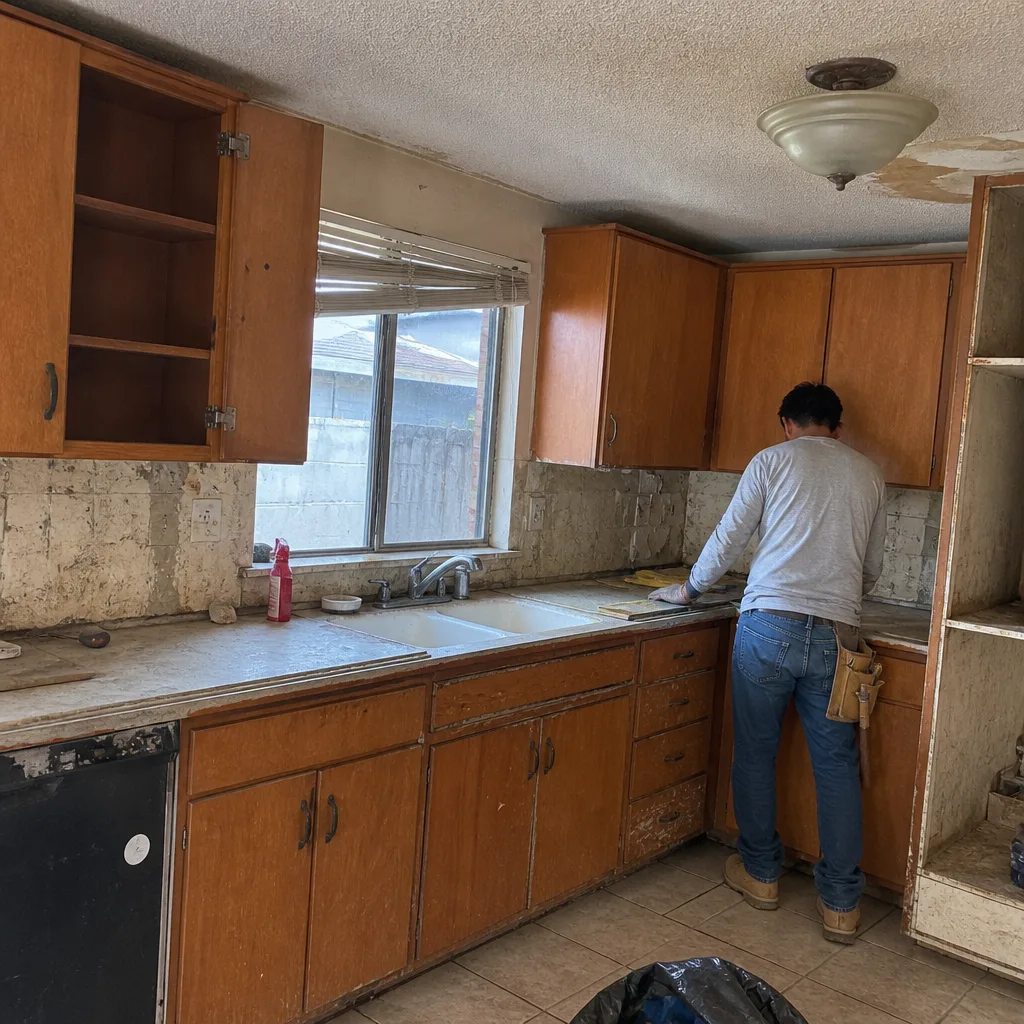
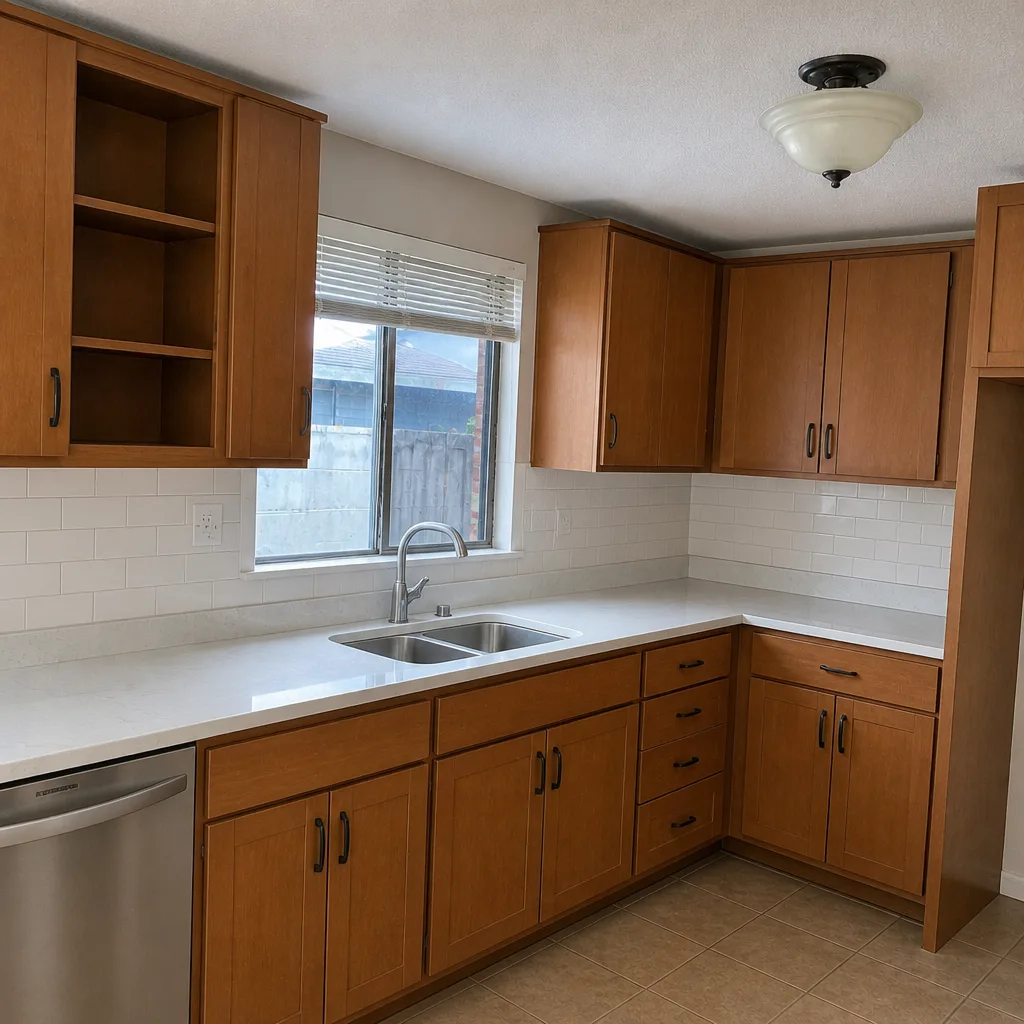
See the difference
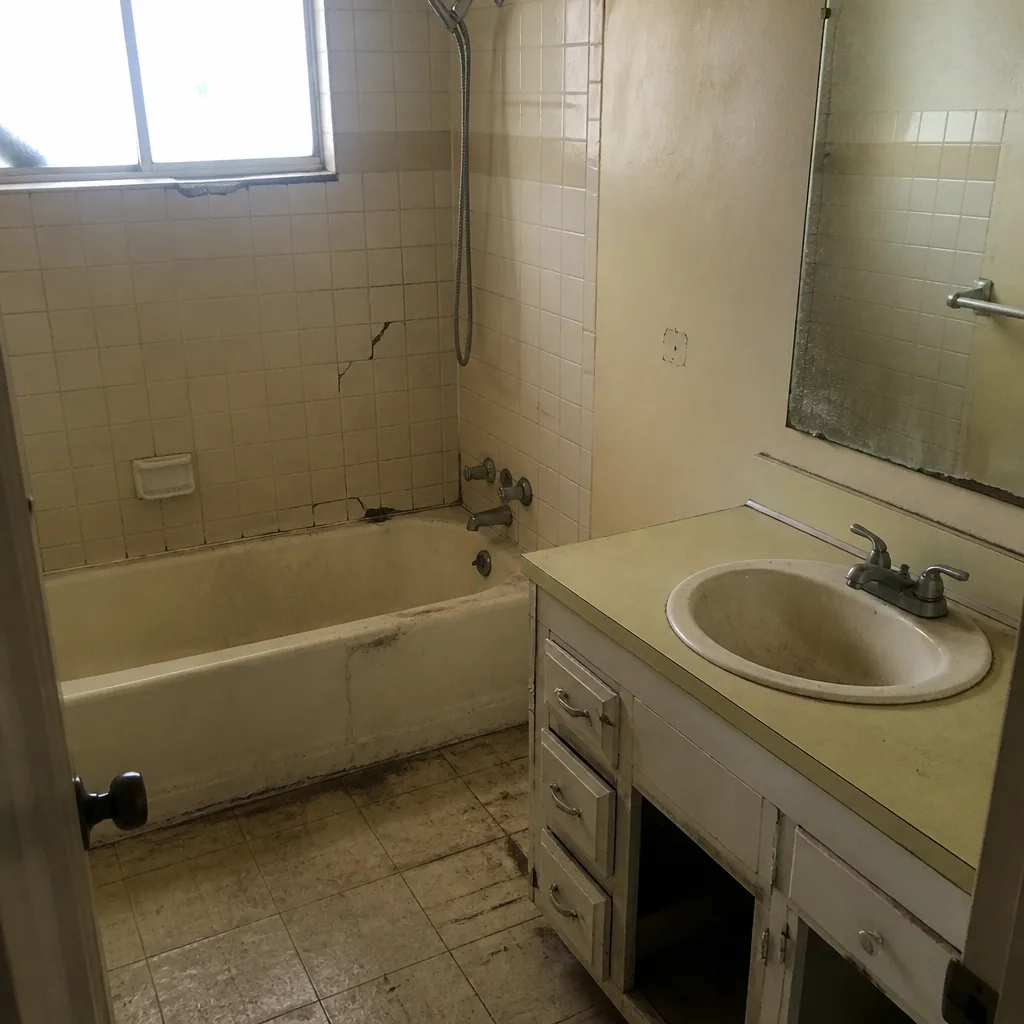 Before
 After
 Before
 After
 Before
 After
When to Call a Professional
Some projects are genuinely DIY territory – a single room’s worth of paint, a faucet swap, a small tile repair. But there’s a clear line where the risk shifts from the homeowner to the licensed and insured pro: anything that touches the permit system, structural framing, gas lines, or the electrical panel should be designed and installed by a licensed contractor. So should any project where the scope crosses multiple trades, because the coordination cost of multiple contracts usually outweighs the savings of splitting the work. If you’re pulling permits, moving walls, reconfiguring plumbing, or replacing a water heater, an electrical panel, or a full kitchen or bath, call a professional. In Citrus Heights, the inspection process itself is the reason to work with a licensed contractor – the work gets checked by the county, and the record of that inspection stays with your address. Remodeling Citrus Heights offers free estimates in Citrus Heights – call (279) 201-5321. We answer 24/7. Fast dispatch from 7am to 7pm, Sunday through Friday.
Frequently Asked Questions
Search the contractor’s name or license number in the CSLB database, confirm the license is active, and check the classification. The class is what confirms they’re licensed for the work you’re asking them to do, not just that they hold a general license. If you want an exact scope check, you can look up the classification descriptions on the CSLB site. Call (279) 201-5321 for help reading a license record – estimates are free.
Ask for a current general liability certificate, a workers’ compensation certificate, and an umbrella policy if the project is above $100K. Confirm the certificate shows your name and the policy effective dates cover the full project window. A contractor who can’t produce those documents quickly isn’t ready to sign. Call (279) 201-5321 to schedule a free estimate.
Costs vary widely by scope and material tier. A bathroom remodel typically runs from a modest scope into higher five figures depending on tile, plumbing fixtures, and layout changes; a full kitchen remodel runs from mid five figures into six figures when cabinetry and stone are included. The written estimate sets the final price, and it should be itemized. Call (279) 201-5321 for an exact number – estimates are free.
Not on a properly written contract. The price should be set by the written estimate, with a defined process for change orders, and any change order should require your written approval before the work proceeds. If a contractor can’t explain their change order policy in plain language, that’s a reason to walk. Call (279) 201-5321 for a written line-item quote.
Yes. On any scope that touches structural, electrical, plumbing, or gas, the licensed contractor should pull the permit before work begins. The county inspection record for your address is one of the best records you have of the work being done to code. Call (279) 201-5321 to discuss permitting for your project.
Timelines depend on scope and material lead times. Bathrooms usually run 4 – 8 weeks, kitchens 8 – 14 weeks, flooring 3 – 7 days, and whole-home interior painting 4 – 10 days. Cabinet and countertop lead times often drive the schedule, so ask for lead times against a specific brand and finish. Call (279) 201-5321 for a scope-specific timeline.
Both are part of our scope. Interior and exterior painting and flooring installation are handled under the same contract as the rest of the remodel, which keeps the timeline and the accountability with one party. Other contractors might subcontract those trades out; one point of contact is the difference. Call (279) 201-5321 for a single-scope estimate.
The contract clause that protects you is the termination and transition clause, which defines what happens to permits, materials, and payments if the contractor or a sub walks. Ask to see that language before you sign. A contractor who can’t point you to the clause is signaling the project will be managed on goodwill, not on paper. Call (279) 201-5321 for a written estimate.
The Bottom Line
Hiring a construction contractor in Citrus Heights is a verification process, not a gut-feel decision. Check the CSLB license class against your project scope. Ask for current general liability, workers’ comp, and umbrella certificates with your name on them. Pull the permit history through Sacramento County’s public portal and ask about open permits. Compare three bids on the same itemized rows, including allowances, exclusions, warranty, and lien waiver policy. And hold the contract’s payment schedule, termination clause, and change order language to the same standard you’d apply to the workmanship in the finished room. Remodeling Citrus Heights stands behind a written estimate that sets the price, a single contract that covers the whole scope, and material selection from a deep set of established brands so you get the finish you want at the tier your budget supports. Call (279) 201-5321 for your free estimate. We answer 24/7. Fast dispatch from 7am to 7pm, Sunday through Friday.
Written by the team at Remodeling Citrus Heights.