Last updated November 25, 2026







Free written scope consultation - allowances, timeline, and change-order rules on paper before a single trade is scheduled
Seasonal Construction Care for Citrus Heights: Year-Round Homeowner’s Guide
Most “fall prep” advice you’ll read online was written for a place with four equal seasons. Citrus Heights isn’t that place. Here in the Sacramento Valley, we get roughly eight months of dry, hot weather and a compressed wet stretch that usually starts in November, which flips the national maintenance calendar almost upside down. The window for exterior work that actually cures before the rain isn’t all autumn; it’s a tight six-week sprint in late fall. This guide walks you through what to tackle in each part of the year in Citrus Heights, from post-rain inspection in spring to interior-only remodeling in winter, so your home stays ahead of the weather instead of chasing it.
Quick Answer
In Citrus Heights, the construction calendar splits into two jobs: spend the dry months (roughly March through October) on exterior work like stucco repair, painting, roofing, and concrete, and save the wet months (November through February) for interior remodels, moisture checks, and anything that needs to stay dry. The single most time-sensitive task is finishing exterior coatings and drainage corrections in the six weeks before the first real rain, usually by early November.
Styles & brands we work with
- Kitchen remodeling
- Bathroom remodeling
- Home additions & ADU
- Roofing
- Windows & doors
- Driveway & pavers
- Fence
Table of Contents
- Why Citrus Heights Doesn’t Have Four Equal Seasons
- Spring (March-May): Post-Rain Inspection and Pre-Summer Repairs
- Summer (June-September): Peak Cure Conditions for Exterior Work
- Fall (October-November): The Six-Week Window
- Winter (December-February): Interior Season
- How to Phase a Multi-Part Remodel Around This Calendar
- Common Mistakes to Avoid
- Frequently Asked Questions
Why Citrus Heights Doesn’t Have Four Equal Seasons
National maintenance guides assume a hard freeze, a muddy thaw, and a distinct spring. Citrus Heights gets none of that in the way the guides imagine. Our winters are mild and wet; our summers are long, dry, and hot. The practical consequence is that moisture damage here rarely comes from freezing. It comes from water finding a way in during the wet months and then sitting against wood, stucco, or framing while the weather dries out slowly.
That changes the logic of when to do what. In a cold-climate guide, you weatherize in October to beat the freeze. Here, October and early November are when you finish exterior work so it cures before the rain, not before the cold. Our paint doesn’t need to survive ice; it needs to survive UV and then a wet season. Our concrete doesn’t heave from frost; it cracks from summer heat cycling and from soil that swells when it finally gets soaked.
If you live in a neighborhood like Sylvan Old Auburn or the streets off Greenback Lane, you’re probably in a home built decades ago with original stucco, older single-pane windows, and mature trees whose roots have been working on your driveway for years. Those homes age on this climate’s schedule, not a generic one. The same is true in the newer pockets near Sunrise Mall, where the construction is tighter but the sun exposure on south- and west-facing walls is just as punishing.
So think of the Citrus Heights year as two tracks running at once: an exterior track that has to finish before the rain, and an interior track that can run right through it. Get those two tracks in the right order and the whole year of home care stops fighting itself.
Spring (March-May): Post-Rain Inspection and Pre-Summer Repairs
Spring in Citrus Heights is a debrief on the wet season. The rain has stopped, the ground is still holding moisture, and every weakness in your exterior envelope has just been tested for you. This is the moment to look, before summer heat bakes cracks open and hides the evidence.
Inspect stucco and foundation after the rain
Walk the perimeter of the house and look for hairline cracks in stucco, especially at corners, around window and door openings, and where the stucco meets the foundation. Small cracks are normal as a house moves, but cracks that have widened, or any spot where the stucco has pulled away, let water in behind the wall. Check the foundation line for staining, efflorescence (the white chalky residue that signals water moving through masonry), and soil that has settled away from the slab. In our experience, spring is when the slow leaks from the wet season finally show their hand.
Route concrete cracks before the heat
Driveways, walkways, and patios in Citrus Heights take a beating from summer sun. A crack that’s a quarter-inch wide in March can open much wider by August. Spring is when you clean and route those cracks and seal them, while the material can still cure in moderate temperatures. This is also the time to check that the soil around the slab still slopes away from the house. If it doesn’t, water pools at the foundation during the wet months and there’s your problem.
Start up the irrigation and test the backflow
If you have an irrigation system, spring startup is more than turning a valve. Run each zone and watch for heads that don’t pop, lines that leak at the joints, and emitters that have clogged over the dry season. Backflow testing on an irrigation connection is typically required and is usually done by a certified tester; your water provider can tell you the local requirement and timing. Don’t skip it and then discover the problem mid-summer, when everyone else is also trying to book a tester.
Spring is also the right time to plan summer exterior work. If you’re thinking about home remodeling that touches the outside, even something as small as repainting trim or replacing a door, get the estimate now so the work can be scheduled into the dry months rather than crammed into the fall window.
Summer (June-September): Peak Cure Conditions for Exterior Work
Summer is when the exterior track runs full speed. The reason is simple: paint, caulk, and most exterior coatings need dry, warm conditions to cure properly, and Citrus Heights delivers those in abundance. The catch is that the same sun that cures your paint also punishes anything applied at the wrong time of day.
Exterior paint and window caulking
This is the best season for exterior painting and for re-caulking around windows and doors. The old caulk fails first at the joints that face the most sun, so check south- and west-facing windows before you commit to a full repaint. A quality exterior paint applied over properly prepped surfaces will hold up here, but the prep is what matters: washing, scraping, sanding, priming bare spots, and caulking before the first coat goes on. Painting in the heat of the afternoon causes the surface to skin over before it bonds. Early morning is the safer window.
HVAC service before the worst heat
Get the air conditioning checked before the peak of summer, not during it. A system that’s serviced in spring or early summer runs more efficiently through August, and you’re not competing for a technician’s time when it’s 105 degrees. Change filters on schedule. If you’re planning interior projects, this is also when to think about how open-window work will affect air quality, which we cover below.
Deck refinishing before UV peak
Decks and wood fences take the hardest UV hit in mid-summer. If you’re going to refinish, do it before the peak, not after the wood has already grayed and checked. Clean, sand, and apply a finish that’s rated for full sun exposure. Pay attention to the horizontal surfaces, which fade fastest, and the end grain, which soaks up water fastest in winter.
Air quality during open-window work
Here’s something the generic guides miss: in summer, we keep windows open to work, and we keep them closed to stay cool. If you’re having interior work done, coordinate with the crew so that dusty phases (sanding, demolition) don’t collide with the days you need the house sealed up for the AC. A little scheduling discipline keeps the air in the house clean and the project moving.
Summer is also when a lot of homeowners get serious about kitchen remodeling, and there’s a good reason: if the kitchen scope can be sequenced so the messy phases happen while you can grill outside, the disruption is far easier to live with. More on that in the phasing section.
Fall (October-November): The Six-Week Window
This is the part of the year where Citrus Heights homeowners either get ahead or fall behind. The first meaningful rain usually arrives in November. Between early October and that first storm, you have roughly six weeks to complete exterior work that needs to cure before it gets wet. Miss it and the work waits until next spring, which means another wet season on a compromised surface.
Here’s what belongs in that window, in priority order:
- Roof inspection and repair. Walk the roof line (from the ground, or with a pro) and look for lifted or missing shingles, worn flashing at chimneys and vents, and granule loss on asphalt. Brand-name shingles like CertainTeed, Owens Corning, IKO, and Atlas all have published lifespans, but the installation and the flashing details are what fail first. Get repairs done now.
- Exterior coatings that need to cure. Paint, caulk, and sealants applied in October cure in mild, dry air and are fully set before the rain. Applied in December, they may never cure properly.
- Drainage corrections. Clean gutters and downspouts, confirm that downspouts discharge away from the foundation, regrade soil that has settled toward the house, and clear any French drains or swales. Water management is the highest-leverage thing you do all year in this climate.
- Gutter guards and downspout extensions. If you’ve been meaning to add them, do it before the leaves come down and before the rain starts.
- Window and door weatherstripping. Cheap, quick, and it stops the small drafts that make the wet months feel colder than they are.
The six-week window isn’t a hard deadline every year, but it’s the safe planning assumption. If you’re scheduling a roofing or exterior painting project, book it in late summer for an October start. Contractors’ calendars fill during that window because everyone in Citrus Heights is trying to do the same thing at once.
Winter (December-February): Interior Season
Winter is not a dead season for construction in Citrus Heights; it’s a different season. The wet weather that shuts down exterior work opens up interior work, and if you plan for it, you can keep a remodel moving right through the rainy months.
Interior remodels that fit the wet months
Bathrooms, kitchens, flooring, interior painting, and trim work all happen indoors and are largely unaffected by the rain outside. In fact, winter is a good time for a bathroom remodeling project, because the house is closed up and the dust and noise are contained. Materials come in through the door, not across a wet yard. Just plan for the fact that exterior work (say, a new exterior door or a window) has to wait for a dry stretch.
Moisture monitoring in crawlspaces
This is the one thing you should actively check in winter. If your home has a crawlspace, go under and look for standing water, damp insulation, and musty smells after a heavy rain. Poor drainage at the foundation often shows up here first. A vapor barrier and proper ventilation help, but if water is getting in, the fix is usually outside: grading, downspouts, and drainage.
What can and can’t be done in wet conditions
Most interior work proceeds normally. Exterior painting, stucco, concrete, and roofing generally don’t, because they need dry conditions to cure or set. Permits and inspections are largely weather-independent for interior work; the city’s building department schedules inspections on its own timeline, so plan for that rather than against the weather. Ask your contractor which inspections your project needs and when they’ll be scheduled, so the wet season doesn’t stall the project at an inspection that can’t be done until it’s dry.
Winter is also the season to plan the rest of the year. Get estimates, make material selections, and lock in your calendar for spring and summer so the exterior track is ready to run the day the weather cooperates.
How to Phase a Multi-Part Remodel Around This Calendar
The hardest part of a big project in Citrus Heights isn’t any single trade; it’s the sequencing. A whole-house remodel touches both the exterior track and the interior track, and if the two compete for the same optimal weather windows, the project stalls. Here’s how to line them up.
- Do exterior scope first, in late summer or early fall. Roofing, exterior paint, siding, and drainage all belong in the dry window. Get them done before the rain, then move inside.
- Layer interior scope through the wet months. Framing, rough-in, drywall, flooring, and paint all run indoors. A project that starts in October can hit its messy interior phases during the rainy season without losing time.
- Reserve the following spring for the exterior finishes that need dry weather. If the project includes anything that has to be done outside and can’t wait for summer, plan the schedule so it lands in spring, not winter.
- Bundle trades under one contractor where you can. When flooring and painting are handled by the same team that does the cabinets and tile, you lose fewer days to scheduling gaps between subs. That matters more in a phased project than in a single-room job.
- Order materials early. Cabinets, countertops, and fixtures have lead times. Choosing them in winter means they arrive when the schedule needs them.
This is the kind of sequencing we plan for every project. We work with 50+ recognized material brands across cabinetry, countertops, and plumbing fixtures, from premium tiers like Grohe and Toto down to proven options like Moen and Delta and American Standard, so the material decision doesn’t force the calendar decision. You pick the finish and the tier; we handle everything behind the wall, from the cabinet box to the painted trim. When a project uses Schluter systems for tile and wet-area transitions, for example, the installation follows the manufacturer’s spec rather than a shortcut, and that’s the difference between a bathroom that lasts and one that leaks in two years.
If you’re planning a project that spans exterior and interior, start with Remodeling Citrus Heights and we’ll map the phases against the real weather calendar rather than a generic one.
Common Mistakes to Avoid
- Following a national fall-prep checklist. Those guides assume a hard freeze and a muddy thaw, neither of which happens in Citrus Heights. The work you actually need to do by early November is different: it’s exterior coatings, roofing, and drainage, not weatherizing for cold.
- Painting the exterior in November or December. Mild temperatures aren’t enough; the surface needs dry, curing weather. Paint applied right before rain can fail early and need to be redone, which costs more than waiting for spring.
- Ignoring small stucco cracks in spring. A hairline crack in March can let water behind the wall through the wet season. By the time you notice the stain inside, the damage has been working for months.
- Skipping the backflow test on irrigation. It’s easy to forget until a water provider sends a notice. Get it on the spring calendar with the rest of your startup tasks.
- Letting drainage wait until it’s a problem. Cleaning gutters and confirming downspouts discharge away from the foundation is the cheapest protection you have in a wet-winter climate. Do it in the fall window, not after the first leak.
- Scheduling a multi-phase remodel without a season plan. If exterior and interior scope aren’t sequenced around the dry and wet seasons, the project sits idle waiting for weather. Plan the phases before you sign the contract.
- Choosing materials without thinking about lead times. Cabinets, countertops, and fixtures take time to arrive. Order early in the dry season so the interior work can run through winter without stalling.
See the difference
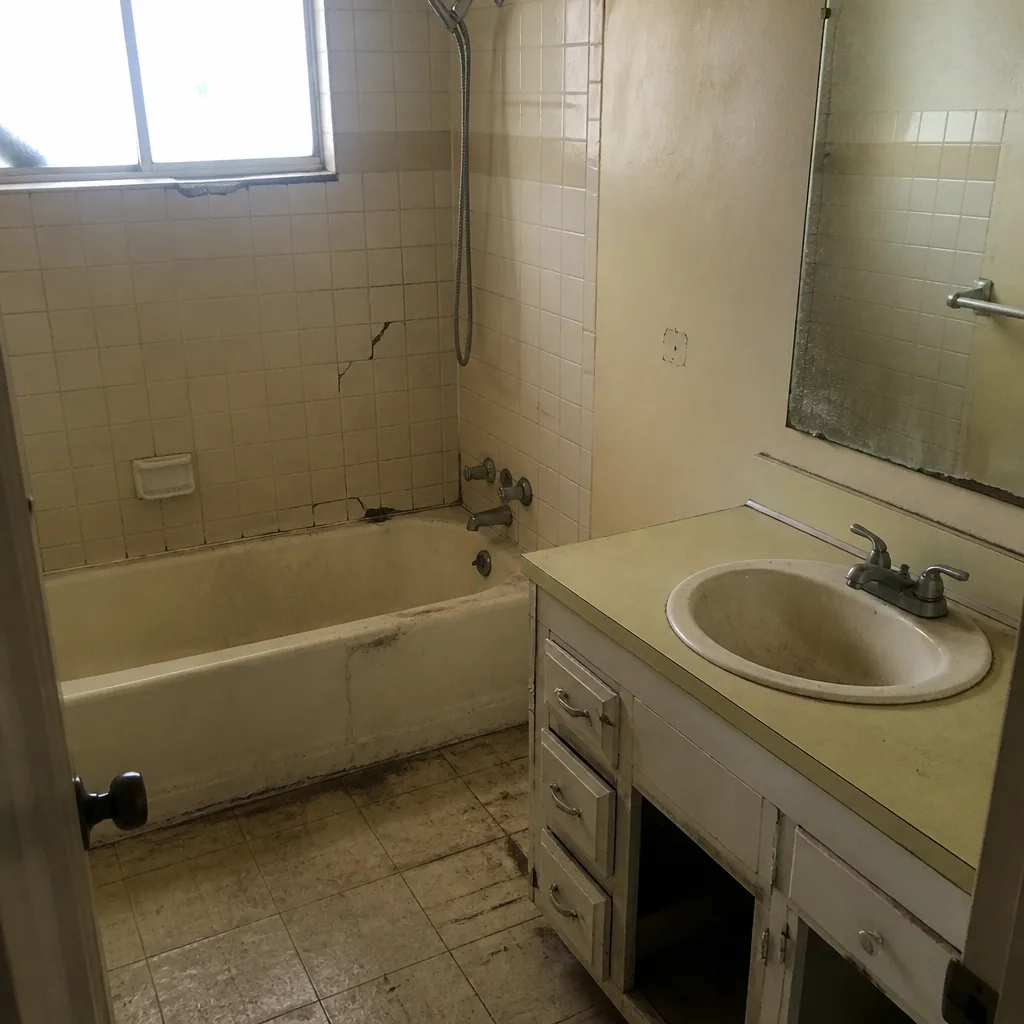 Before
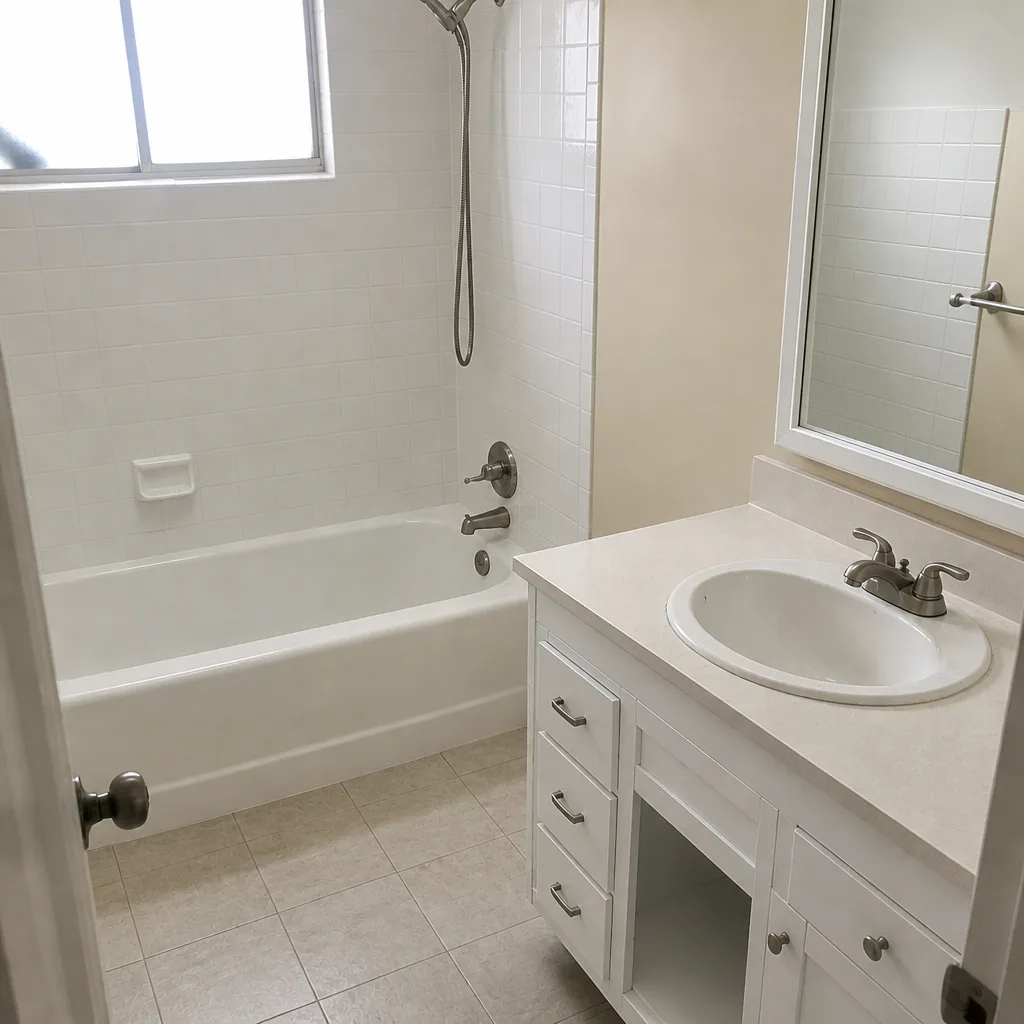 After
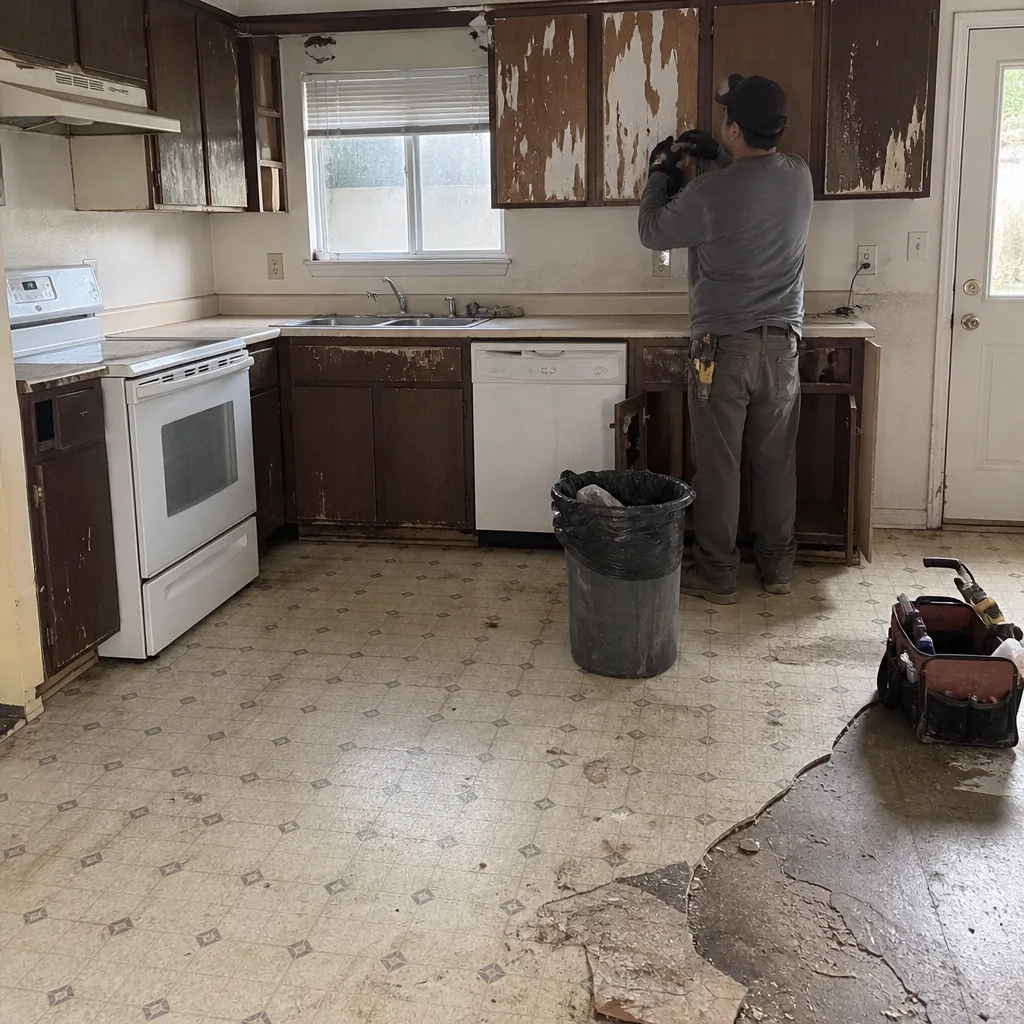 Before
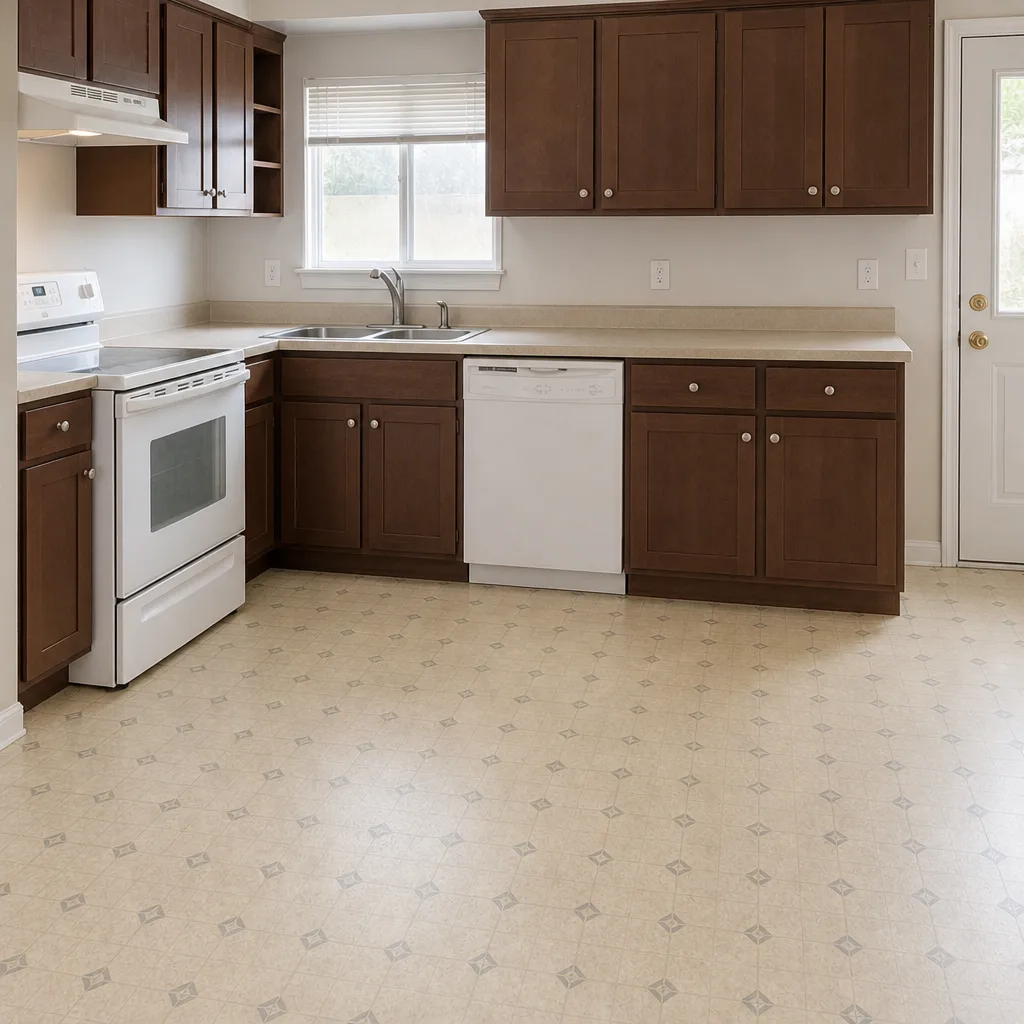 After
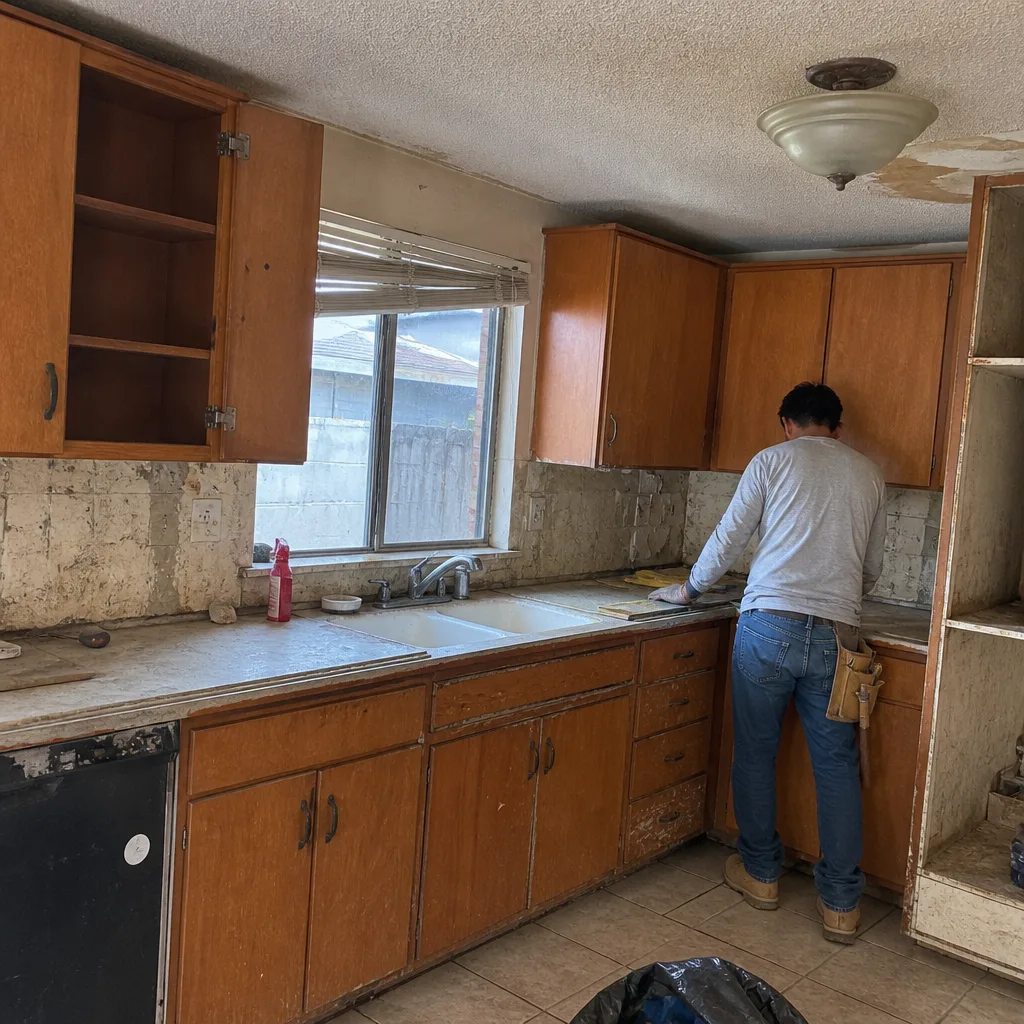 Before
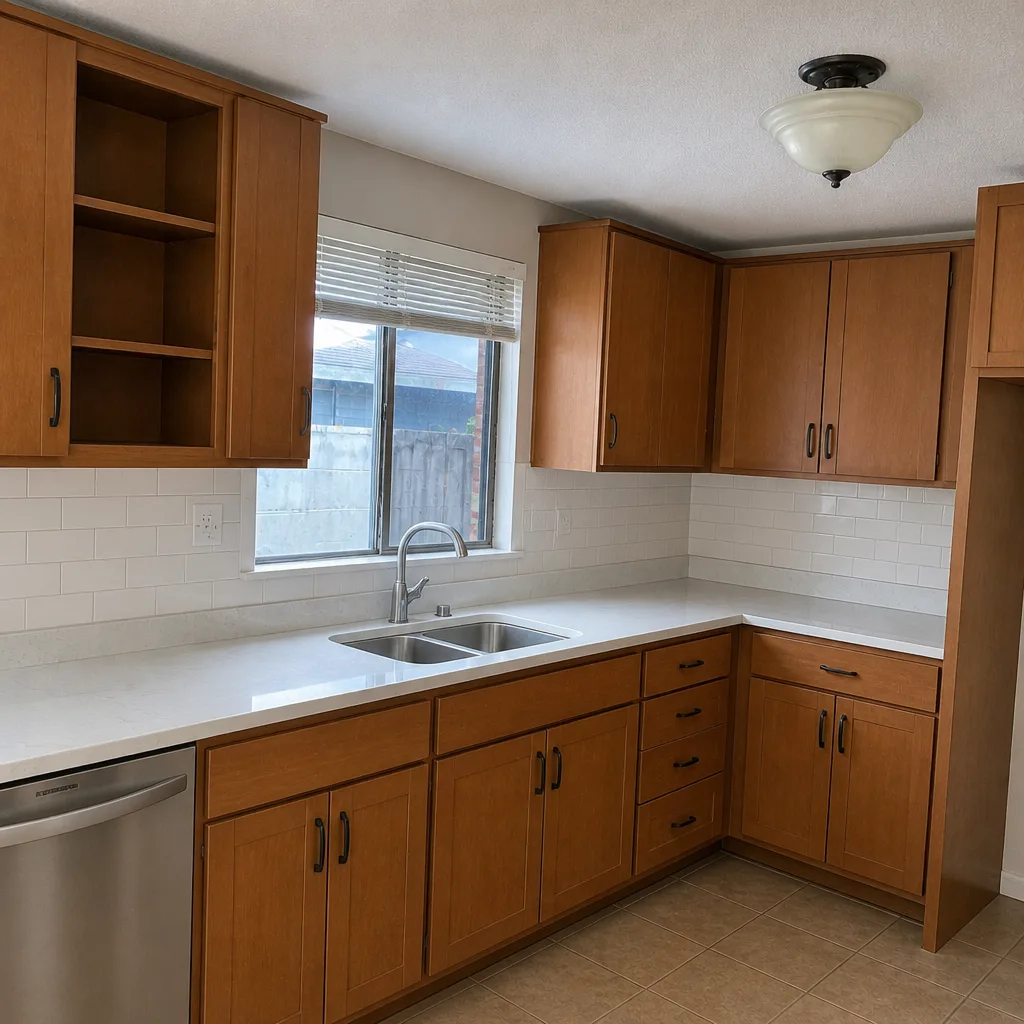 After
When to Call a Professional
Some seasonal care is DIY-friendly: cleaning gutters, changing HVAC filters, sealing a hairline crack, swapping weatherstripping. But several jobs are worth handing to a pro. Call one if stucco has cracked or pulled away from the wall, if you’ve found water staining inside or in the crawlspace, if the roof flashing or shingles are damaged, if concrete is heaving or draining toward the house, or if you’re planning a remodel that spans more than one room and needs to be sequenced around the seasons. Electrical, gas, and structural work should always go to a licensed professional. Remodeling Citrus Heights offers free estimates in Citrus Heights. Call (279) 201-5321. We answer 24/7. Fast dispatch from 7am to 7pm, Sunday through Friday.
Frequently Asked Questions
Late summer through early fall, roughly August through October, is the best window for exterior painting in Citrus Heights. The weather is dry, the temperatures are moderate, and the coating has time to cure before the first rain arrives in November. Painting in the heat of mid-summer afternoon can cause the paint to skin over before it bonds, so early morning application is preferable. Call (279) 201-5321 for a free estimate.
Schedule roof repairs between late spring and early fall, well before the wet season starts in November. That gives you dry conditions for the work and time to address anything the inspection turns up. If you find damage during the wet months, get it looked at right away and plan a permanent repair for the next dry window. The written estimate sets the final price, and estimates are free. Call (279) 201-5321.
Yes. Interior remodeling is well suited to the wet months because the work happens indoors and isn’t affected by rain. Winter is also a good time to plan, select materials, and lock in a schedule for exterior work in spring. Just plan for any exterior elements (new doors, windows, exterior trim) to wait for a dry stretch. Call (279) 201-5321 for a free estimate.
Inspect stucco and foundation once a year, in spring, after the wet season has tested your exterior. Look for widened or new cracks, staining, and soil that has settled away from the slab. If you spot anything that’s more than a hairline, get a professional opinion before the next rainy season. Call (279) 201-5321 to schedule a free estimate.
Painting, stucco, concrete, roofing, and most exterior coatings need dry conditions to cure or set. Those jobs generally wait for the dry months. Interior work, inspections for interior scope, and planning can proceed regardless of the weather. Ask your contractor which parts of the project are weather-dependent and schedule accordingly. Call (279) 201-5321 for a free estimate.
No. The written estimate sets the price, and we don’t change it with change orders for the scope you’ve approved. If something unexpected turns up behind the wall, we discuss it with you before any additional work begins. Estimates are free. Call (279) 201-5321.
The Bottom Line

Citrus Heights doesn’t run on four equal seasons. It runs on a long dry stretch and a compressed wet one, and the work that matters most happens in the six-week window before the rain in November. Use spring to inspect what the wet season revealed, summer to cure exterior finishes and service the HVAC, fall to finish roofing, paint, and drainage, and winter for interior remodels and moisture checks. Plan multi-phase projects around that calendar and exterior and interior scope stop competing for the same weather. If you’re ready to map a project against the real Citrus Heights calendar, call (279) 201-5321 for a free estimate. We answer 24/7. Fast dispatch from 7am to 7pm, Sunday through Friday.
Written by the team at Remodeling Citrus Heights.