Last updated November 25, 2026
Free written scope consultation - allowances, timeline, and change-order rules on paper before a single trade is scheduled
Construction Cost Breakdown: The Citrus Heights Homeowner’s Reference for 2026
Most homeowners assume a low bid means a hungry contractor and a mid-range bid means a padded one. Often it’s the reverse. The gap between the two proposals on a Citrus Heights kitchen remodel usually isn’t profit margin at all. It’s what the low bidder quietly left out: permit fees, Title 24 energy compliance, dumpster rental, disposal, and the drywall repair that comes after the electrical gets moved. Those exclusions reliably add thousands back to a “cheaper” number before the job is half done. This reference walks through what the five most common Citrus Heights remodel types actually cost in 2026, what moves each number up or down, and how to read a proposal closely enough to spot the gap before you sign it.
Quick Answer
In Citrus Heights, a mid-range kitchen remodel in 2026 typically runs $35,000 to $85,000, a primary bath $22,000 to $55,000, a secondary (hall) bath $12,000 to $28,000, a room addition $120,000 to $320,000, and a detached or attached ADU $180,000 to $420,000 depending on size and site work. Sacramento Valley labor rates, City of Citrus Heights permit and plan check fees, Title 24 energy compliance, and material tier choices move these figures more than national averages do. The written, line-item estimate you receive on site sets the final price for your project.
Styles & brands we work with
- Kitchen remodeling
- Bathroom remodeling
- Home additions & ADU
- Roofing
- Windows & doors
- Driveway & pavers
- Fence
Table of Contents
- Why National Cost Averages Fail Citrus Heights Homeowners
- Cost Ranges for the Five Most Common Citrus Heights Remodels
- Permit, Plan Check, and Energy Compliance Fees in Citrus Heights
- Sacramento Valley Labor Rate Benchmarks for 2026
- Material Cost Context: From Moen to Brizo, LVP to Site-Finished Oak
- How to Read a Contractor Proposal and Find the Hidden Costs
- Change Orders: What Triggers Them and How to Budget for Them
- Budgeting by Scope: How to Fit a Whole Home Remodel to Your Number
Why National Cost Averages Fail Citrus Heights Homeowners
Publishing a national median for a kitchen remodel is a little like publishing a national median for a car. It tells you almost nothing useful. In Citrus Heights, the number that matters is what a licensed local contractor will actually charge to rebuild a 1980s galley kitchen off Birdcage or a hall bath in the Rusch Park area, and that number is set by local inputs, not by a magazine survey.
Three inputs move the cost hardest here:
- Labor rates. Sacramento Valley trade wages for framing, tile, cabinet installation, electrical, and plumbing have risen faster than the national average since 2020, and they don’t reset to match an index. A tile setter’s day rate in Citrus Heights is a Citrus Heights number.
- Title 24 compliance. California’s energy code is the strictest in the country, and every permitted remodel that touches envelope, glazing, or HVAC has to prove compliance at plan check. That’s design work, documentation, and often upgraded materials you didn’t budget for.
- Material markup. Cabinets, countertops, and plumbing fixtures carry a distributor markup that varies by region and by brand. A KraftMaid cabinet box ordered through a Citrus Heights contractor prices differently than the same box ordered in another state.
We work from local cost data every day, which is why we tell homeowners to ignore the national median and build their budget from what the trades here charge. That’s the only number that will survive contact with your project. If you want the full picture of what a home remodeling scope looks like end to end, that’s a good place to start before you compare line items.
Cost Ranges for the Five Most Common Citrus Heights Remodels
Below are typical 2026 ranges for the five projects we’re asked about most in Citrus Heights. Each range is for a full-scope remodel with permit, materials, and labor included. They are estimates, not quotes. Your written, line-item estimate sets the final price.
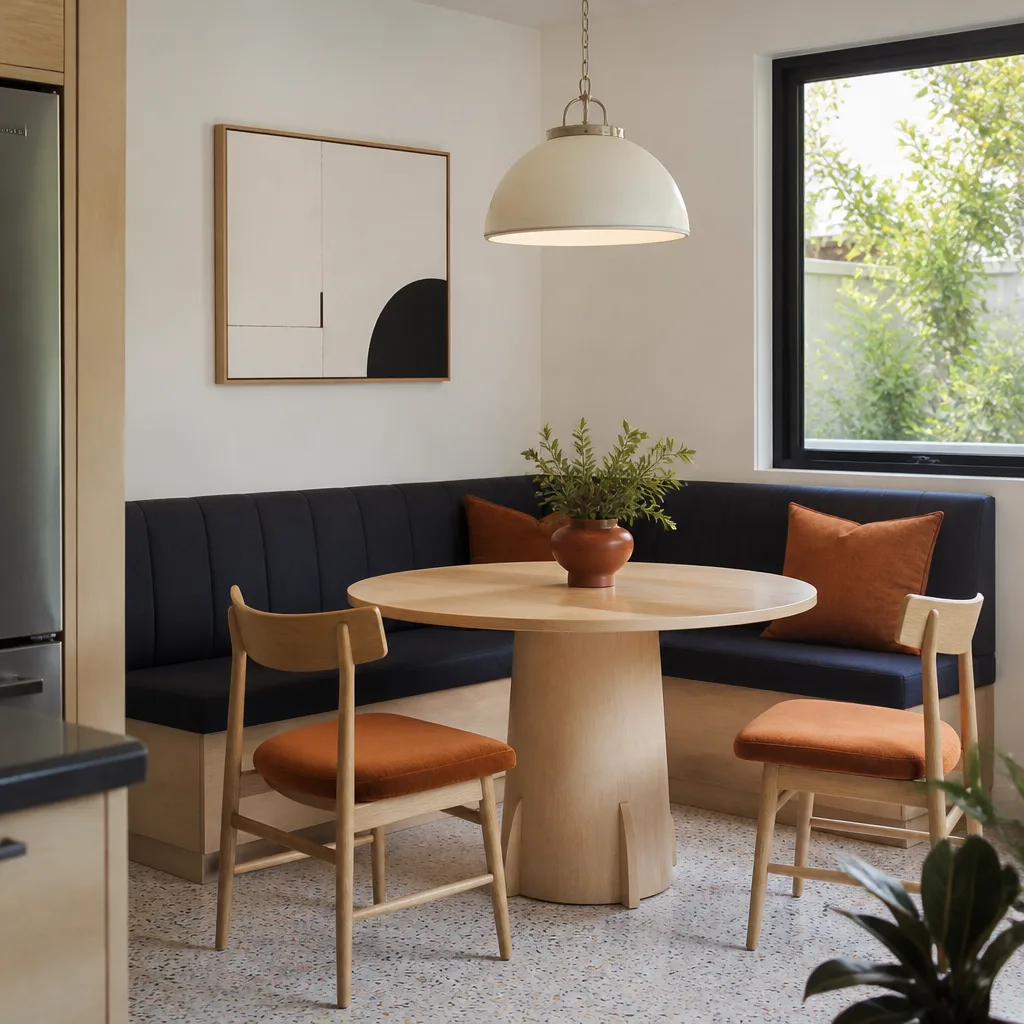
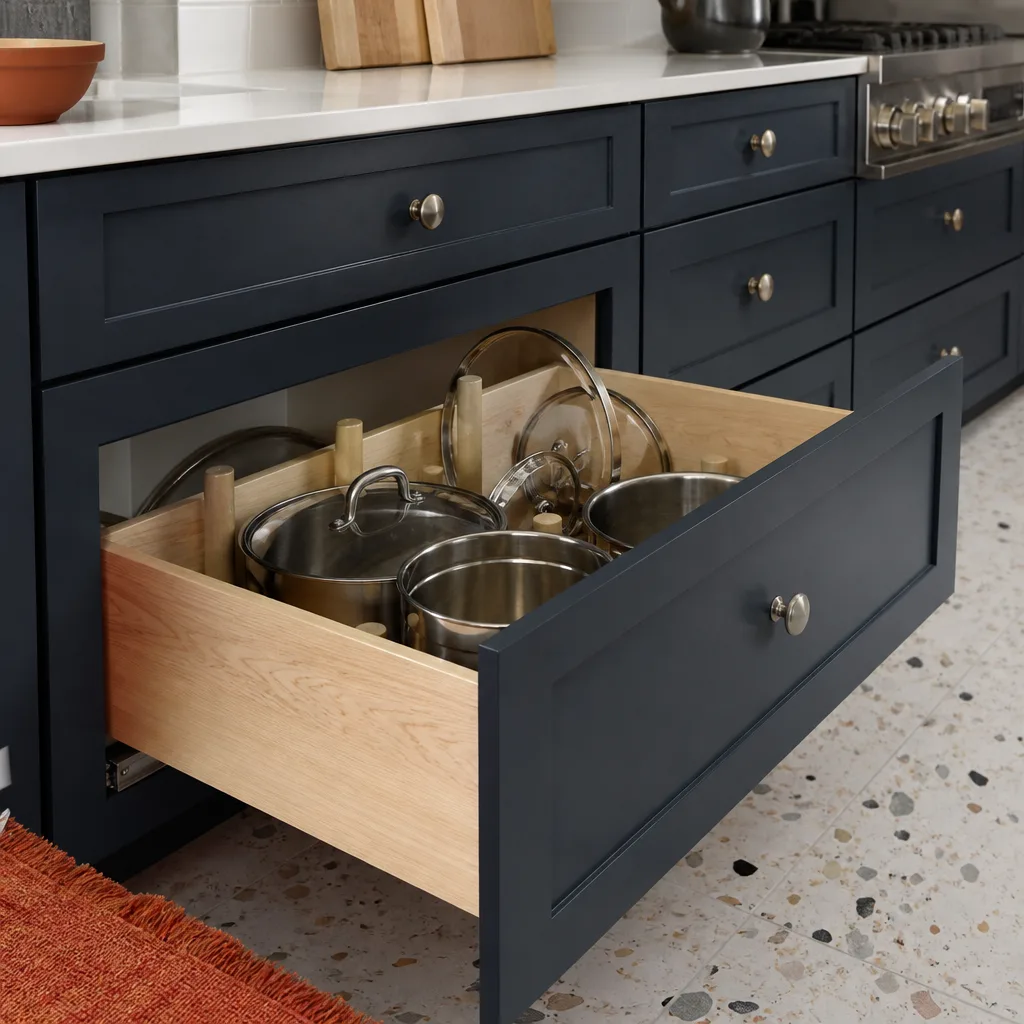
- Kitchen remodel (full gut, new cabinets, countertops, sink, faucet, backsplash, LVP or tile floor, painting): $35,000 to $85,000. Low tier keeps the existing layout, uses stock or semi-custom cabinets and a laminate or entry-level quartz; high tier moves plumbing and electrical, uses KraftMaid or Wellborn cabinetry with Cambria or Silestone, and includes a full lighting plan.
- Primary bath (new vanity, tile shower with waterproofing, freestanding tub or tub/shower, new plumbing trim, tile floor): $22,000 to $55,000. Low tier keeps the footprint and re-tiles the existing shower pan; high tier moves the toilet and vanity, adds a curbless Schluter shower, and upgrades trim to Grohe or Toto.
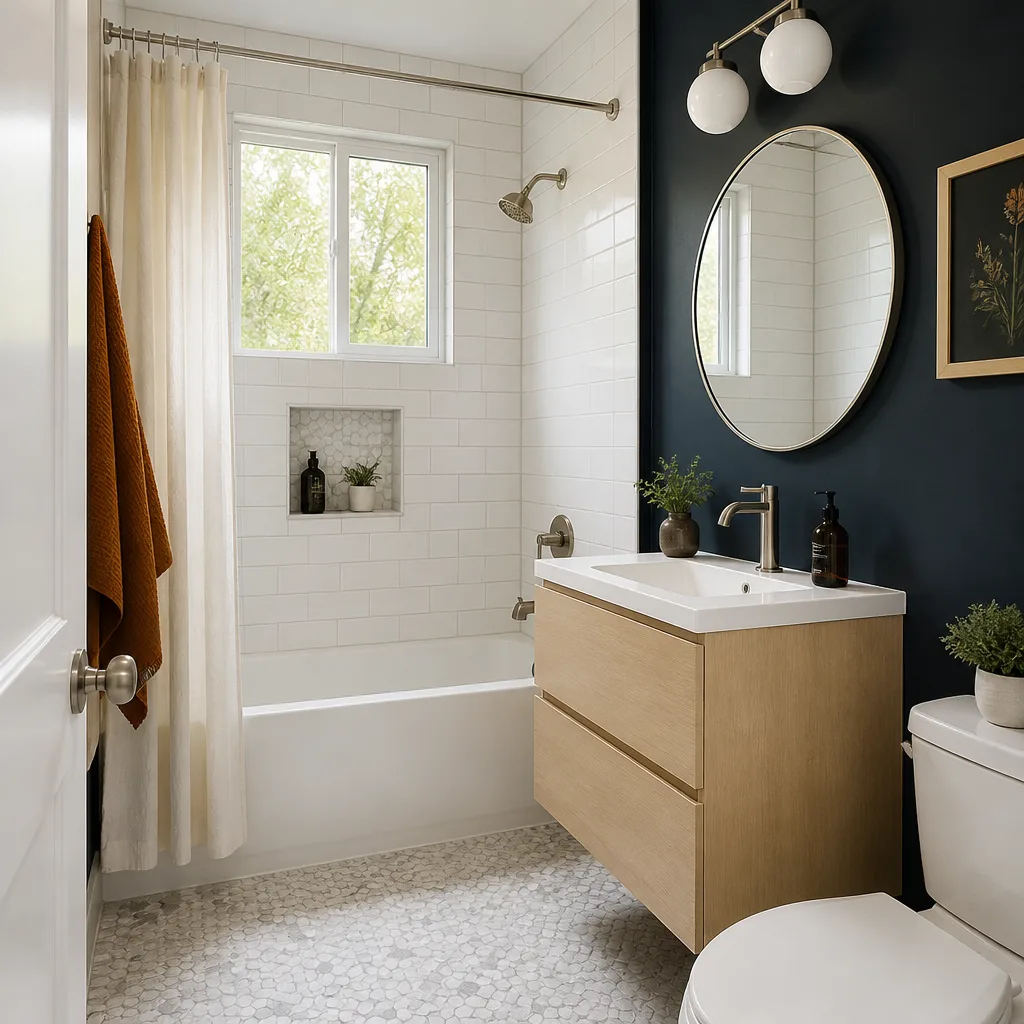
- Secondary (hall) bath (tub/shower combination, vanity, tile floor, paint): $12,000 to $28,000. Low tier keeps the tub and re-faces; high tier replaces the tub, rebuilds the wet wall, and upgrades tile to a large-format porcelain.
- Room addition (typically 200 to 400 square feet, framed, finished, tied to the existing HVAC and electrical): $120,000 to $320,000. That’s $450 to $800 per square foot depending on foundation, roofline tie-in, and finish level. James Hardie cladding and Title 24 glazing push the upper end.
- ADU (attached or detached, 500 to 1,000 square feet): $180,000 to $420,000. Prefab and panelized options from makers like Abodu, Dvele, and Boxabl can compress the schedule and simplify the design cost, but site work, utility trenching, and City of Citrus Heights plan check drive the number most.
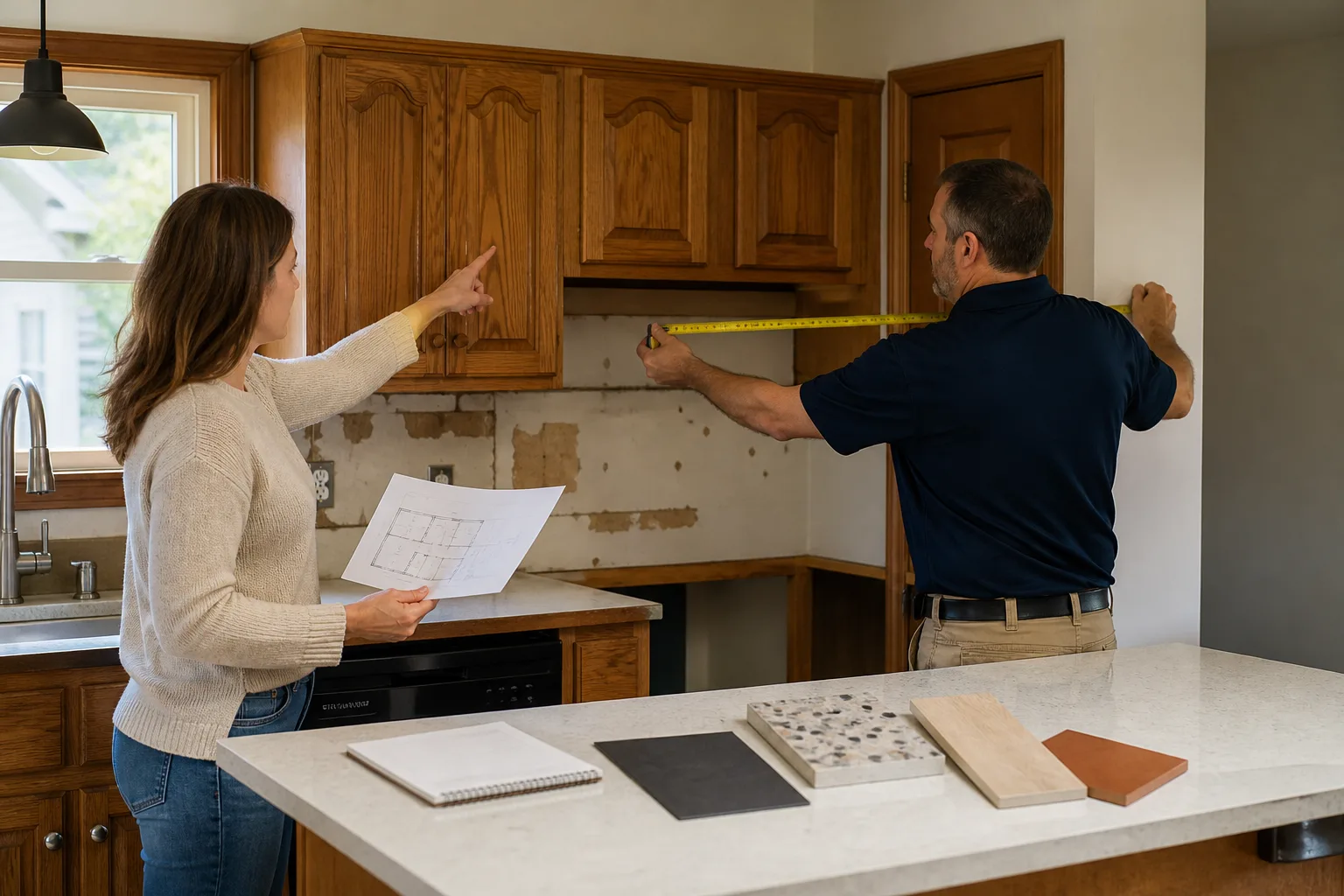
Notice that the low and high tiers on each line are not small deltas. They’re different projects. A $35,000 kitchen and an $85,000 kitchen don’t differ by 50 percent better; they differ by scope, layout, and material tier. When we quote a kitchen remodeling project, the estimate breaks out each of those line items so you can see exactly where your dollars land.
Permit, Plan Check, and Energy Compliance Fees in Citrus Heights
Permit fees are one of the most commonly dropped line items in a low bid, and one of the last things a homeowner wants to discover after the drywall goes up. In Citrus Heights, permitted remodeling work goes through the City of Citrus Heights Community Development Department. Fees are set by the city’s adopted fee schedule and typically include:
- Building permit fee – scaled to valuation of the work, so a $40,000 bath costs less to permit than a $200,000 addition.
- Plan check fee – charged to review the drawings, and often a substantial fraction of the building permit fee, especially on structural changes and additions.
- Energy compliance review – for California Title 24, required for envelope, glazing, and HVAC changes.
- Electrical, plumbing, and mechanical permits – sometimes folded into the building permit, sometimes separate; the scope decides.
- Fire and other agency clearances – required on some additions and any ADU, depending on lot and access.
Fees vary project to project, so the only reliable number is the one the city issues after plan review. What every homeowner should insist on is that the estimate names a permits line item and says who’s pulling them. We pull permits and pass inspections as part of the job, and the written estimate shows you that line. If a contractor tells you to pull your own permits, that’s a red flag – it’s usually a way to keep their bid low and their liability off the paperwork.
Plan check isn’t just a fee; it’s a review. If your drawings don’t show Title 24 compliance, or a structural tie-in that needs an engineered detail, the corrections come back and the schedule slips. That slip isn’t a fee you pay the city; it’s a delay you pay the contractor for. The fix is to make sure the drawings are complete before they’re submitted.
Sacramento Valley Labor Rate Benchmarks for 2026
Labor is the single largest line item on most Citrus Heights remodels, and the least transparent on most bids. Here are the trade rate ranges we work from in 2026, stated as what the trades charge, not what the contractor pays them. Use these as a sanity check on a bid, not as a quote.
- Framing – $95 to $145 per hour, or $12 to $20 per square foot of floor area on additions and roof tie-ins.
- Tile setting – $18 to $35 per square foot installed, depending on tile size and pattern; large-format porcelain and Schluter shower waterproofing sit at the top of that range.
- Cabinet installation – $80 to $150 per linear foot for installation only, on KraftMaid, Wellborn, or comparable cabinetry; significantly higher for full overlay, glass door, or custom.
- Electrical rough-in and trim – $85 to $135 per hour; adding a dedicated circuit or moving a panel supply line into a kitchen or bath can run several thousand alone.
- Plumbing rough-in and trim – $105 to $165 per hour; rough-in on a moved fixture set often exceeds the trim cost, since it opens walls and floors.
These rates assume licensed, insured local trades working under a general contract. The number a homeowner sees on a bid is a blended figure that includes overhead and coordination. When you see a very low blended rate, the difference is usually either an unlicensed trade or an exclusion you’ll pay for later.
Our technicians have up to 15 years of experience, and the licensed local professionals we work with are vetted before they’re on a Citrus Heights job. That vetting matters when you’re paying for the framing and plumbing that will be behind the wall for decades.
Material Cost Context: From Moen to Brizo, LVP to Site-Finished Oak
Materials are where budgets quietly separate. Two bathrooms with the same footprint can differ by $15,000 because of tile size, faucet tier, and cabinetry finish. Breaking materials into tiers is the most useful thing a homeowner can do before the first estimate.
Plumbing fixtures, three tiers:
- Value tier – Moen, Delta, American Standard. Reliable, widely available, solid warranty coverage. Most common in hall baths and rentals.
- Mid tier – Kohler, Toto, Grohe for standard models. Better finishes, quieter operation, more durable valves.
- High tier – Grohe and Toto premium lines, Brizo. Designer finishes, thermostatic valves, integrated electronics.
Flooring, per square foot installed:
- Luxury vinyl plank (LVP) – $6 to $12 per square foot installed. The workhorse for kitchens, hall baths, and whole-home floors. Radiant heat compatibility and water resistance make it the practical default in Citrus Heights homes.
- Engineered hardwood – $11 to $20 per square foot installed. A real wood top layer, dimensionally stable in the Valley’s dry summers, and refinishable a limited number of times.
- Site-finished solid hardwood – $16 to $30 per square foot installed. The most expensive and longest-lasting, but the finish work has to happen after installation, so the room is off-limits for days.
Cabinetry and countertops: KraftMaid and Wellborn both offer semi-custom lines that fit within a mid-tier kitchen budget. On countertops, Silestone and Cambria quartz price similarly at entry level, with Cambria climbing faster as you add edge profiles and larger slabs. We work with these brands so you get the finish you actually want, not just what a single supplier pushes. We also use Schluter systems on tile and wet-area transitions, because the installation method under the tile matters as much as the tile itself.
How to Read a Contractor Proposal and Find the Hidden Costs
A proposal is either a cost breakdown or a sales document. You want the first. Here’s how to tell them apart in five steps.
- Check the allowances. If the cabinet line says “$12,000 allowance,” find out what that buys. If it buys flat-pack stock cabinets, the homeowner who wants KraftMaid is paying the difference – and that difference is exactly what inflates the final price.
- Read the exclusions section like a contract. “Painting not included,” “dumpster not included,” “permit fees extra,” and “drywall repair after electrical extra” are the four most common exclusions on Citrus Heights remodels. Each is a real cost that will show up on a change order.
- Look for the permits line. If the proposal doesn’t name permits and plan check, the bidder is either pulling them (and should say so) or not pulling them. Either way, you need to know.
- Ask about Title 24. Energy compliance is a California requirement, not a contractor preference. A proposal that doesn’t mention it on a scope that touches windows, walls, or HVAC is missing a cost.
- Find the contingency. A fair proposal names a contingency percentage for unforeseen conditions. A proposal with no contingency either assumes nothing will go wrong (unlikely in a 1980s home) or expects to bill you for it later.
We write line-item estimates because a homeowner who can read the line items can compare proposals honestly. When a bid is vague, ask. When the answer is vague, that’s your answer.
Change Orders: What Triggers Them and How to Budget for Them
Change orders aren’t the enemy. Unforecasted change orders are. On a Citrus Heights remodel, the most common triggers are:
- Hidden damage behind the wall. Rot, old plumbing, or an unpermitted previous renovation discovered during demo.
- Layout changes mid-project. Moving a sink, adding an outlet, or upgrading a cabinet finish after the order goes in.
- Allowance overruns. Choosing a higher-tier tile, faucet, or cabinet than the allowance anticipated.
- Code-required upgrades. Something the plan check catches that has to be corrected.
The way to keep change orders predictable is to set a contingency before demo – typically 10 to 15 percent of the project cost on a gut remodel, more on older homes. That number is real budget, not a wish. When we quote a bathroom remodeling project, we say clearly which allowances are set and what they buy, so an upgrade is a decision, not a surprise.
Budgeting by Scope: How to Fit a Whole Home Remodel to Your Number
The hardest question in remodeling is what to cut when the total is over budget. The answer is almost never the trades – it’s the scope and the material tier. Here’s the order of decisions that moves the number most efficiently.
- Keep the existing layout. Moving plumbing and electrical is the single most expensive “small change” in a remodel. Same fixture positions save thousands with no loss of function.
- Spend on the elements you touch daily. Countertops, faucets, and cabinets show every day. Tile in a guest shower does not.
- Stage the project. Do the kitchen this year and the primary bath next year rather than compressing both into a smaller budget.
- Choose mid-tier brands deliberately. Moen and Delta are not compromises. They’re specific choices. The premium goes to Kohler or Grohe when the specific model earns it.
- Use brands with broad tier spreads. A single brand family that runs from value to premium lets you mix tiers without visual clash.
We work with 50+ nationally recognized material brands, which means the conversation is about what fits your life, not what a single supplier happens to stock. One contractor, start to finish, from the cabinet box to the painted trim.
Common Mistakes to Avoid
- Comparing bids without comparing scope. Two bids on the same room are only comparable when they cover the same line items. If one includes permits and Title 24 and the other doesn’t, the lower number is a lie told in good faith.
- Accepting a cabinet “allowance” without asking what it buys. Allowances are the most common hidden cost on a Citrus Heights kitchen bid. Ask for the brand, model line, and door style behind every allowance.
- Assuming permit fees are small. Plan check, Title 24 compliance, and trade permits add real cost on any permitted remodel. A bid that omits them isn’t cheaper; it’s incomplete.
- Choosing material tier by name instead of by function. A $900 faucet in a guest bath that gets used twice a month isn’t better than a $300 Moen. Match the tier to the room’s actual use.
- Skipping the contingency. Every older Citrus Heights home has something behind the wall. Budget 10 to 15 percent for the discovery and the change orders get boring – which is exactly what you want.
- Making mid-project changes without pricing them first. A late cabinet upgrade or faucet swap seems small. The change order to reorder, reship, and reinstall is not.
- Hiring on price alone. The lowest bid on a permitted Citrus Heights remodel is regularly the one with the most exclusions. It wins the award and loses the budget.
See the difference
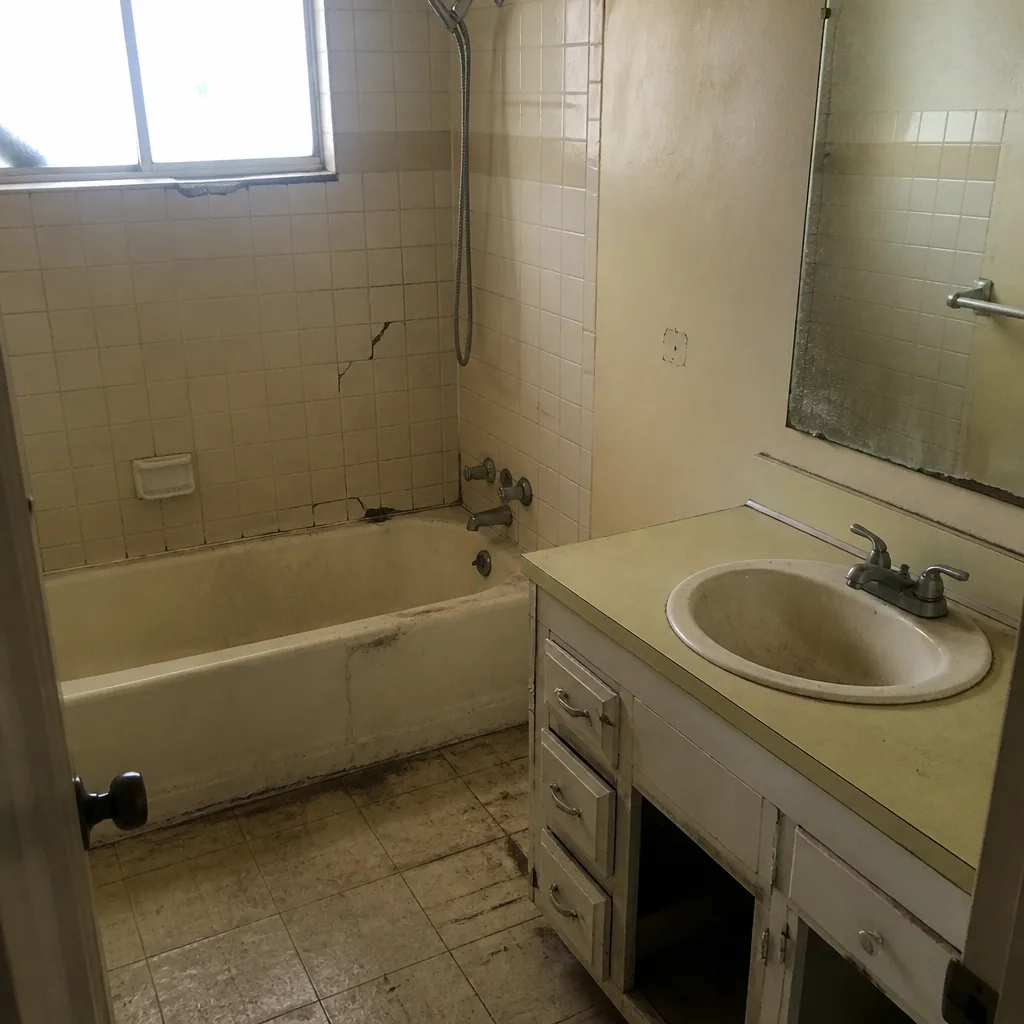 Before
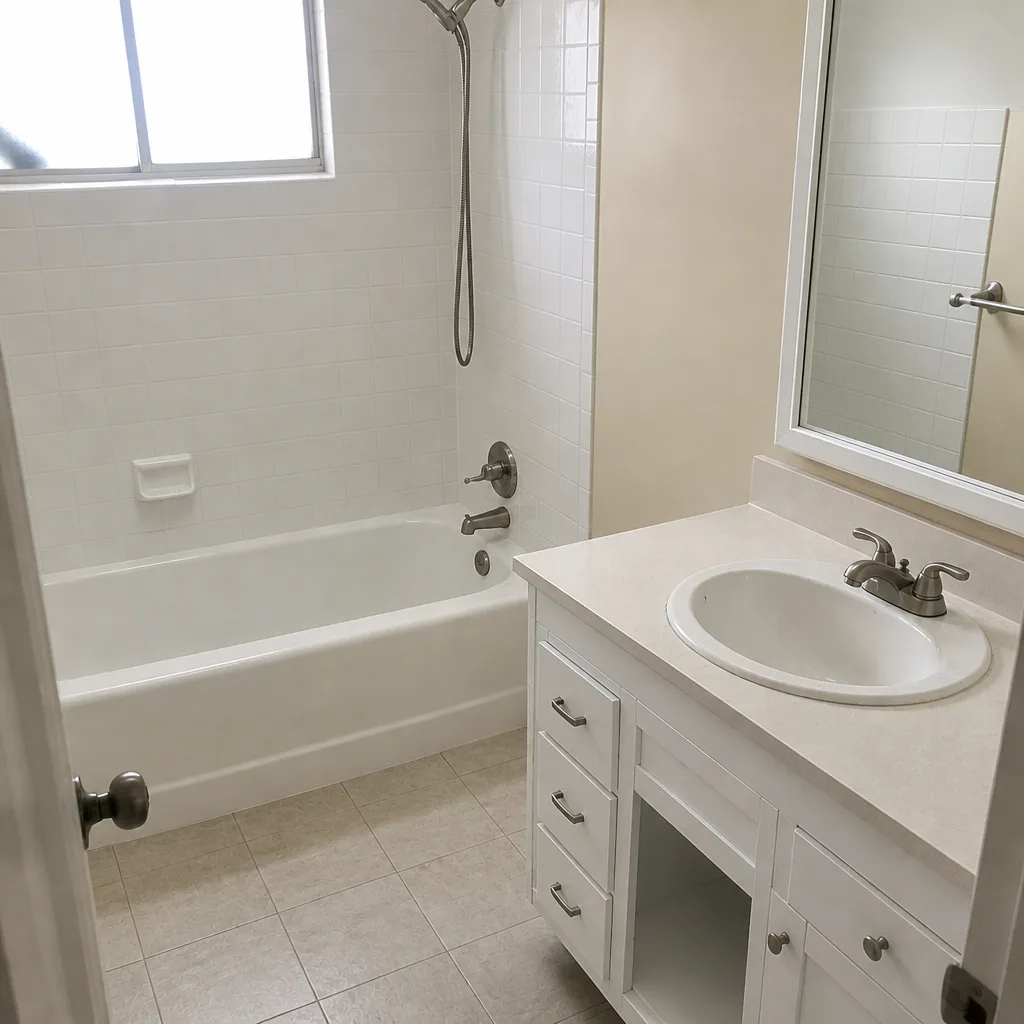 After
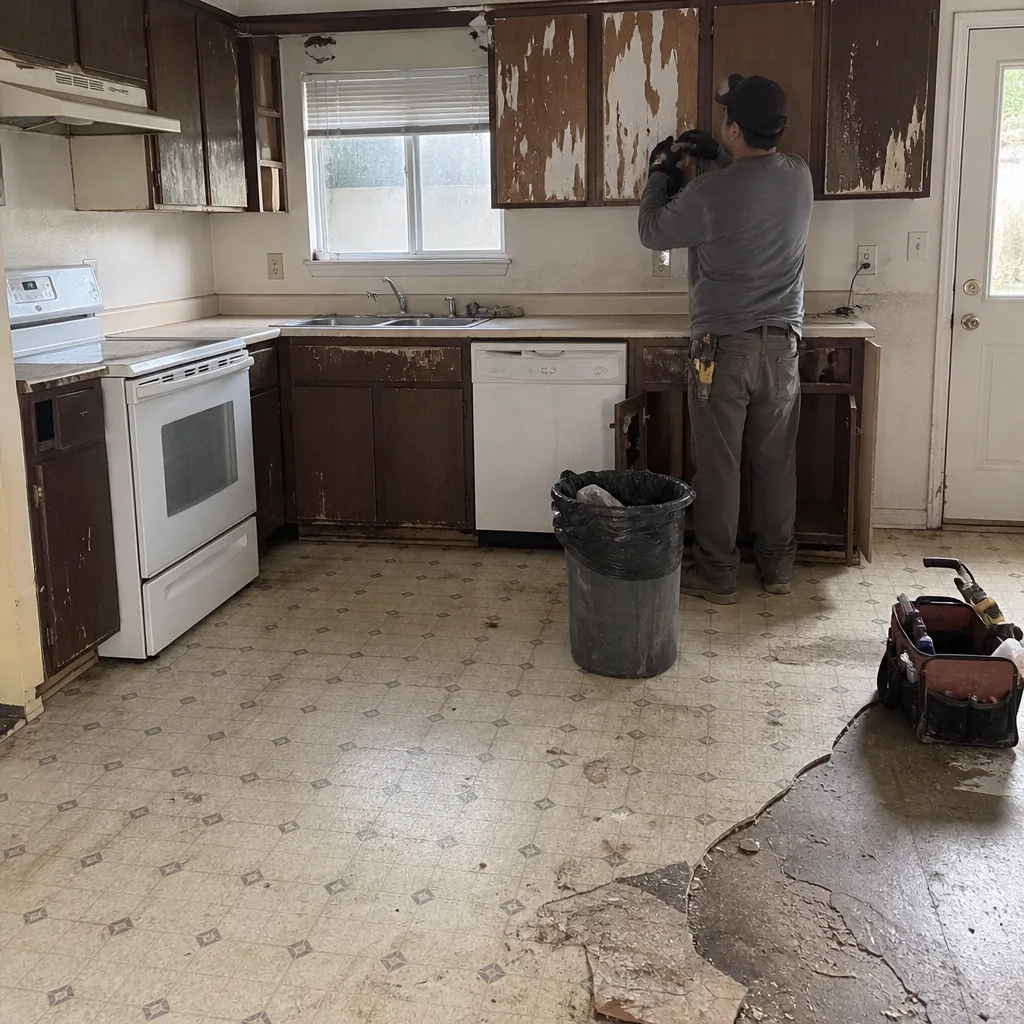 Before
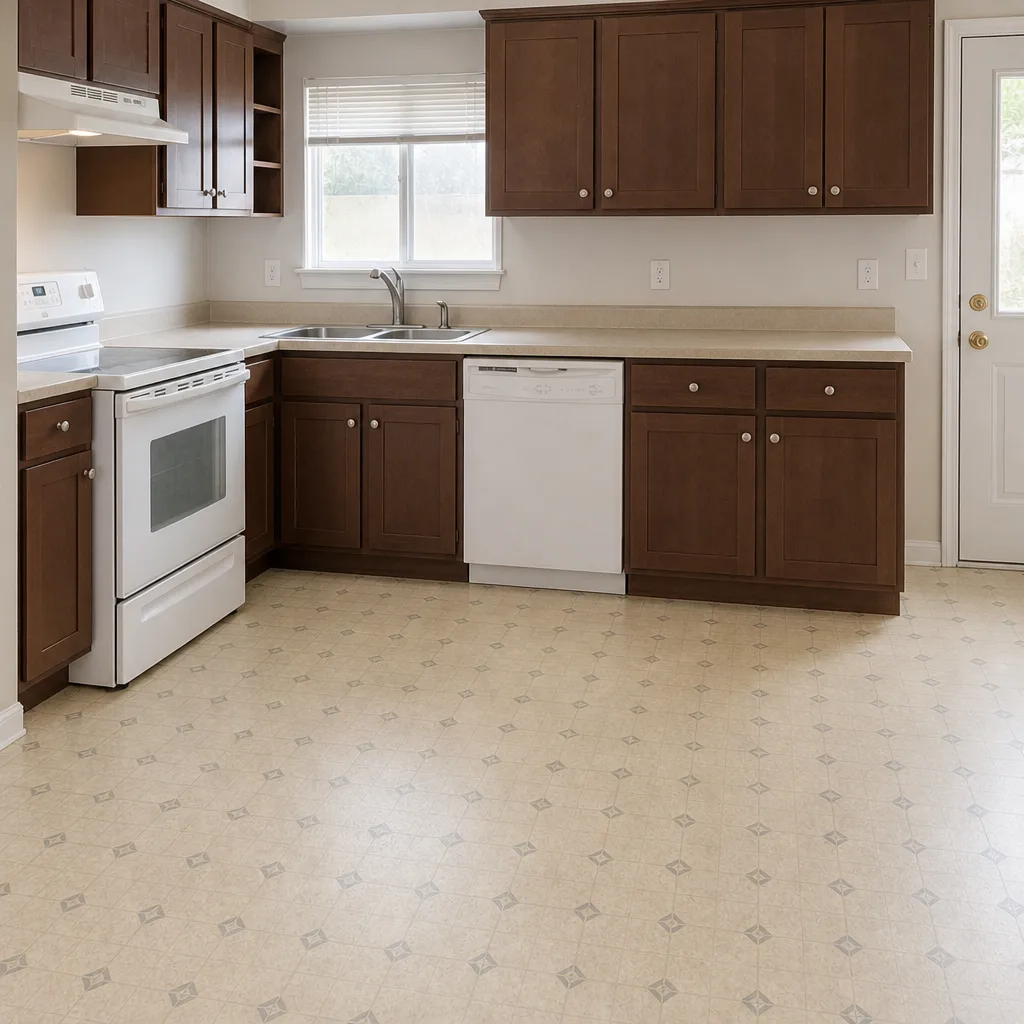 After
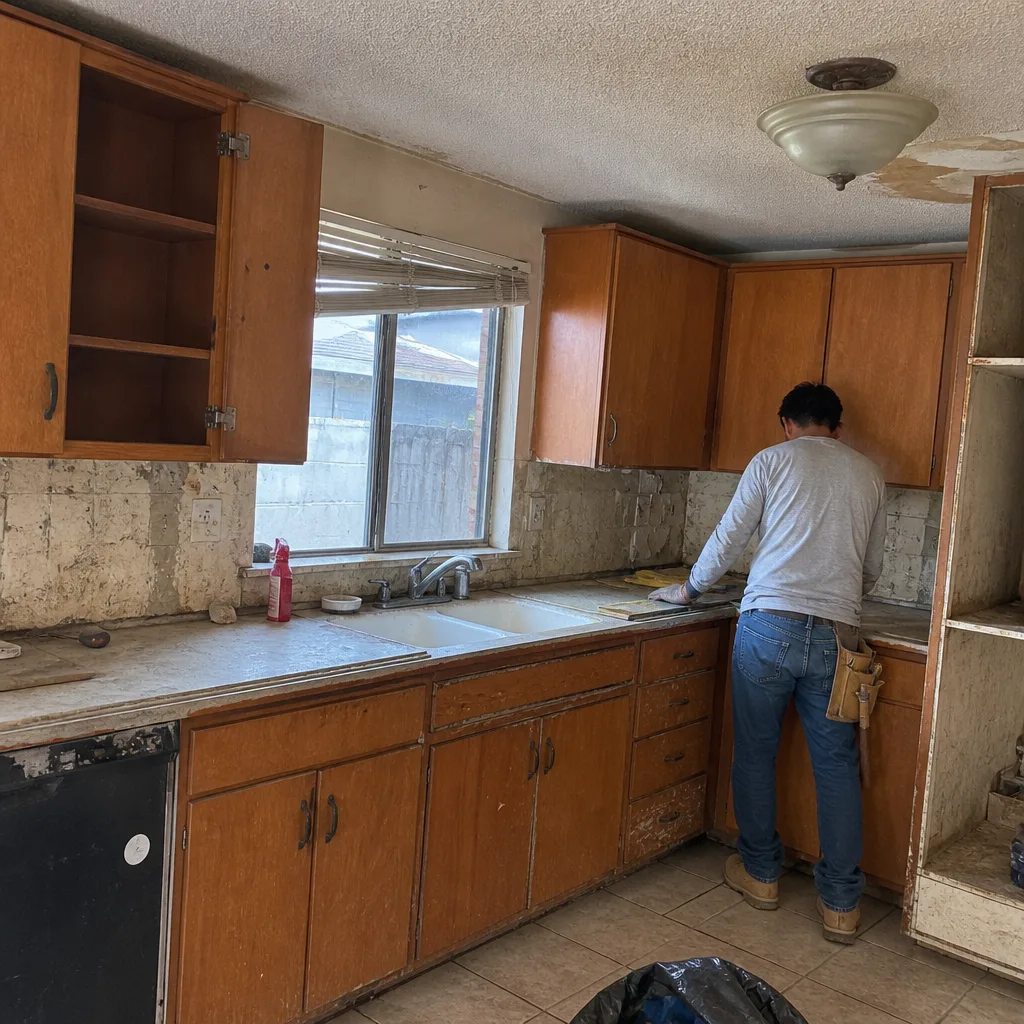 Before
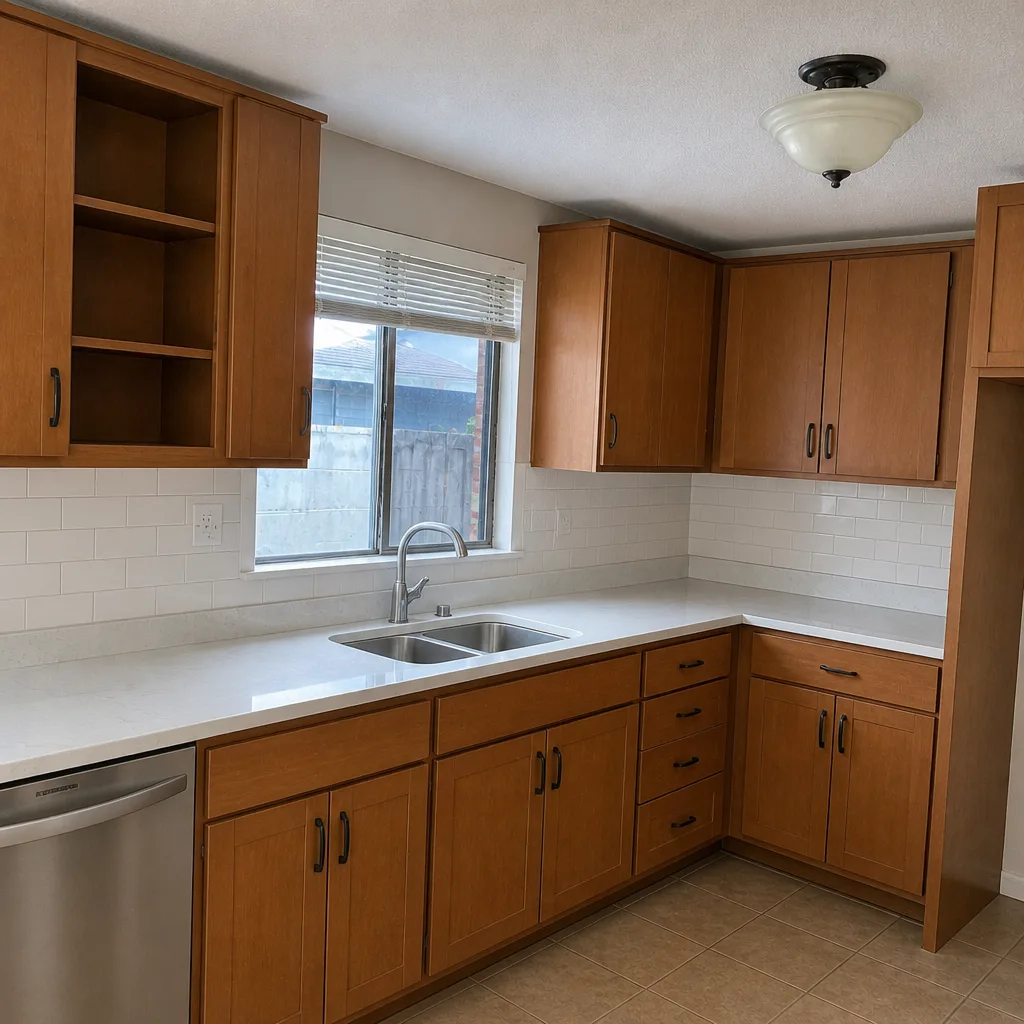 After
When to Call a Professional
Some projects are weekend work; most aren’t. Call a professional when the scope touches the electrical panel, the plumbing rough-in, the structural framing, or any permit-required work – those are the places where a small mistake becomes a big cost. Call when Title 24 compliance is triggered by the scope, because the documentation is not optional in California. Call when the job involves demolition behind finished walls in an older Citrus Heights home, since hidden conditions are common and the pricing needs to reflect that. And call before you sign a proposal you don’t fully understand – a five-minute conversation about line items saves weeks of change orders. Remodeling Citrus Heights offers free estimates in Citrus Heights, with line-item quotes, permits pulled, and inspections passed. Call (279) 201-5321 to schedule yours.
Frequently Asked Questions
Most Citrus Heights kitchens land between $35,000 and $85,000 in 2026, with the low tier keeping the existing layout and stock cabinets and the high tier moving plumbing, upgrading to KraftMaid or Wellborn cabinetry, and installing Cambria or Silestone quartz. Sacramento Valley labor rates and Title 24 compliance push the local number above national averages. Call (279) 201-5321 for an exact quote – estimates are free.
Yes, most bathroom remodels that move plumbing, electrical, or change the shower pan require a permit from the City of Citrus Heights Community Development Department. Cosmetic-only work like re-painting or swapping a vanity top without plumbing changes sometimes doesn’t, but the safest answer is to ask the city before the first tile is pulled. We pull permits and pass inspections on every project, and the estimate shows that line. Call (279) 201-5321 to talk through your scope.
California’s Title 24 energy code requires compliance review on any remodel that touches envelope, glazing, or HVAC, so the plan check fee and any required upgrades are a real line item. Contractors who quote without it are quoting a number that will grow. The written estimate sets the final price, and Title 24 lives in it. Call (279) 201-5321 for a quote that names it.
A full-scope Citrus Heights kitchen remodel typically takes eight to twelve weeks from permit issuance to final inspection, and a bathroom remodel four to eight weeks, assuming materials are ordered on schedule and the scope stays fixed. Additions and ADUs run three to six months or more, mostly because of design, plan check, and site work. The schedule is in the estimate, and the estimate goes over it with you. Call (279) 201-5321 to book a walkthrough.
Change orders only happen for work that wasn’t in the original scope, unforeseen conditions discovered during demo, and upgrades you choose after the allowance is set. A well-written line-item estimate with a stated contingency keeps those changes predictable instead of surprising. We don’t do change orders for scope creep – we do them for the things we can’t see until the wall comes open. Call (279) 201-5321 for a written quote that names the contingency.
Both are legitimate choices and the decision is about tier, not brand loyalty: Moen and Delta are the value tier with strong reliability, Kohler sits in the mid tier with better finishes and valves, and Grohe or Toto premium lines and Brizo sit at the top. Match the fixture to the room’s daily use and the rest follows. We carry all of them, so the conversation is about what fits your budget rather than what’s on a shelf. Call (279) 201-5321 to price fixtures against your scope.
The Bottom Line
Citrus Heights remodeling costs in 2026 are set by Sacramento Valley labor rates, City of Citrus Heights permit and plan check fees, Title 24 compliance, and the material tier you choose – not by a national median. The five common project types land in a predictable range, the exclusions are what separate a low bid from an honest one, and the contingency is the line item that keeps the budget on track. Read every proposal for what’s missing, not just what it totals. Our technicians have up to 15 years of experience, and we’ll walk you through every line before you commit.
Ready to price your project? Call (279) 201-5321 for a free, line-item estimate. We answer 24/7. Fast dispatch from 7am to 7pm, Sunday through Friday.
Written by the team at Remodeling Citrus Heights.