Last updated November 25, 2026







Free written scope consultation - allowances, timeline, and change-order rules on paper before a single trade is scheduled
Construction Warning Signs: A Citrus Heights Homeowner’s Reference Guide
Most warning-sign guides tell you to check reviews and get three bids. That advice is fine, and nearly useless once a house starts telling you something is wrong. In Citrus Heights, the houses themselves send signals that are easy to misread: a crack above a doorframe in a 1960s slab home, a slow drain in a house that’s never had a clog, a stucco wall that looks older than it should. None of these are cosmetic. Each one points to something structural or systemic underneath. This guide walks through what those signals mean in Citrus Heights specifically, how to read them, and when they stop being something to watch.
Quick Answer
The construction warning signs that matter most in Citrus Heights are not surface blemishes. They’re crack patterns that point to clay soil movement, stucco efflorescence that signals moisture behind the wall, aging electrical panels (Federal Pacific and Zinsco) that won’t pass insurance review, deteriorating cast iron drain lines in pre-1980 homes, and roof decking problems visible from inside the attic. Catching any of them early usually cuts the eventual repair cost in half or better, because you’re addressing the cause before secondary damage sets in.
Styles & brands we work with
- Kitchen remodeling
- Bathroom remodeling
- Home additions & ADU
- Roofing
- Windows & doors
- Driveway & pavers
- Fence
Table of Contents
- Reading crack patterns in Citrus Heights slab homes
- Stucco efflorescence and alligatoring: moisture or age?
- Electrical warning signs: Federal Pacific and Zinsco panels
- Cast iron drain line deterioration in pre-1980 homes
- Roof decking warning signs visible from the attic
- Clay soil, drainage, and how movement starts
- How to tell a minor issue from a serious one
- What to do when you spot a warning sign
Reading Crack Patterns in Citrus Heights Slab Homes
Cracks are the most common warning sign in Citrus Heights, and the most misunderstood. The pattern matters more than the width. A hairline crack in the drywall of an interior corner is usually cosmetic, particularly in homes that were built before modern drywall taping standards. A diagonal crack that runs from the top corner of a doorframe or window opening toward the ceiling is a different animal entirely.
Most Citrus Heights homes built in the 1950s through 1970s sit on either conventional slab-on-grade or post-tension slab foundations. The distinction matters because the two respond to soil movement differently, and the cracks look different as a result.
- Conventional slab cracking: Diagonal cracks that widen over months, stair-step cracks in brick or block veneer, and cracks that appear at the corners of door and window openings are the classic signs of slab movement from below. They tend to be wider at the top and taper toward the bottom.
- Post-tension slab cracking: These slabs are under tension from embedded cables, which makes them more resistant to movement but also means a crack that does appear is a signal the tension system is compromised. Diagonal cracks at openings and cracks that show lateral displacement (one side of the crack sitting slightly proud of the other) warrant an inspection by a structural professional before anything else.
- Cosmetic cracking: Straight vertical cracks in the middle of a wall, hairline spider cracks around drywall tape joints, and shallow cracks in the stucco surface (not through to the lath) are typically related to temperature cycling and material age, not foundation performance.
Citrus Heights sits on expansive clay soils that swell when wet and shrink when dry, and the mild winters here don’t freeze the ground into a stable condition the way colder climates do. That means soil movement can happen year-round, driven by irrigation patterns, drainage, and the way water runs off the property.
Stucco Efflorescence and Alligatoring: Moisture or Age?
Stucco is everywhere in Citrus Heights, and it ages in ways that are easy to misdiagnose. Two patterns account for most of the confusion: efflorescence and alligatoring.
Efflorescence is the white, chalky, powdery stain that appears on stucco surfaces. It’s salt drawn to the surface by water moving through the wall. A small amount on a wall that faces the prevailing weather is not alarming. Efflorescence that appears on interior-adjacent walls, under windows, at the base of walls, or in patches that come and go with the seasons is a signal water is entering somewhere it shouldn’t be. The wall is drying from the inside out, and it’s been doing it long enough for salts to accumulate.
Alligatoring describes the crack pattern that looks like reptile skin: a network of shallow, roughly hexagonal cracks across the stucco surface. This is usually the topcoat failing from age, sun exposure, and thermal cycling. On its own, it’s surface-level and doesn’t mean the wall has lost structural integrity. What crosses the line is alligatoring combined with efflorescence, because that combination means the surface is failing and water has already found a path in.
What to check:
- Look at the base of the stucco wall where it meets the ground or the slab. Efflorescence and darker, damp-looking patches there indicate water wicking up from below or pooling behind the wall.
- Check under window sills and at wall penetrations (hose bibs, vents, exterior outlets). Cracks that originate at penetrations tend to follow water intrusion.
- Tap the stucco lightly with a screwdriver handle. A hollow sound means the stucco has separated from the lath or sheathing behind it, and that section needs to come off and be rebuilt.
- Look at the gutters and downspouts. Stucco moisture problems in Citrus Heights are often really drainage problems that deposit water against a wall.
Stucco repairs are one of the most common items we encounter during interior and exterior painting projects because the wall has to be repaired before paint can do its job. The relevant service page is Remodeling Citrus Heights.
Electrical Warning Signs: Federal Pacific and Zinsco Panels
A notable share of Citrus Heights homes still have their original electrical panel, and two of the panels common in mid-century construction are Federal Pacific Electric (FPE) Stab-Lok and Zinsco. Both are associated with known failure modes, and both present the same problem for homeowners: many insurance carriers either won’t write a policy on a home with one, or charge a rate that makes replacement the cheaper option.
What to look for:
- Panel branding: The panel cover or the breaker faces will carry the manufacturer’s name. Federal Pacific breakers often have a red or blue handle with “Stab-Lok” printed on the face. Zinsco breakers are typically identifiable by their thinner profile and the “Zinsco” or “Sylvania-Zinsco” name.
- Breakers that don’t trip: The core concern with these panels is that breakers may fail to trip on overload. If a breaker feels loose in its slot, trips repeatedly, or won’t reset cleanly, stop using that circuit and get the panel evaluated.
- Warm panel cover: A panel cover that feels warm to the touch, or a faint burning smell near the panel, is an immediate call-a-professional situation.
- Double-tapped breakers: Two wires under one breaker lug is a common shortcut in older panels and a fire risk regardless of the panel brand.
Electrical work belongs to a licensed electrician, and panel replacement requires a permit through the local building department. We connect Citrus Heights homeowners with licensed local electricians for this work, and we handle the repair and repainting around the panel afterward as part of a broader project. If your panel is original and you’re planning a kitchen or bathroom remodel, the electrical capacity question comes up early, and it’s worth addressing before the walls are closed up.
Cast Iron Drain Line Deterioration in Pre-1980 Homes
Homes built before 1980 in Citrus Heights often have cast iron drain lines. Cast iron is durable, and it does its job for decades, but it corrodes from the inside out. The warning signs are subtle and tend to appear in a particular order.
- Slow drains throughout the house, not just one fixture. A single slow drain is usually a local clog. Every drain in the house running slow points to a restriction in the main line.
- Sulfur or rotten-egg odor from drains. Cast iron corrosion produces hydrogen sulfide as the pipe walls break down. If a drain smells like sulfur after sitting unused overnight, the pipe is telling you something.
- Yard wet spots or a sewage smell outside. A wet patch in the yard that doesn’t dry out, or a persistent sewage odor near the foundation, can indicate a crack or joint failure in the buried drain line.
- Frequent backups that clear with a snake but return. If a plumber snakes the line and it flows for a few weeks before backing up again, the pipe interior has likely scaled or collapsed to the point where a camera inspection is warranted.
A camera inspection is the definitive test. It shows the condition of the pipe interior and lets a licensed plumber tell you whether you’re looking at spot repair, a section replacement, or a full re-pipe. The last option is expensive, but the alternative (a failed line under a slab) is more expensive. If you’re planning a bathroom remodeling project in an older Citrus Heights home, having the drain line inspected before the tile goes in is one of the cheapest insurance policies available.
Roof Decking Warning Signs Visible From the Attic
Most homeowners evaluate a roof from the ground. The more useful perspective is from inside the attic, where you can see the underside of the roof decking. The difference between a surface re-roof and a full decking replacement can be a matter of thousands of dollars, and the attic tells you which one you’re facing.
What to look for:
- Staining or dark streaks on the decking underside: Water has been getting past the roofing material and soaking the decking. If the stains are widespread, the decking may have lost structural capacity.
- Sagging between rafters: A deck that visibly sags between the framing members has either been wet repeatedly or was under-thickness for the span. A re-roof over sagging decking is a waste of money.
- Delamination: Plywood decking that has been wet will separate into layers. You can see this as a visible edge separation on the underside. OSB decking will crumble or flake when probed.
- Daylight through the boards: Light coming through the roof deck from below means gaps that have opened up, which compromises both the roof and attic ventilation.
- Rusted or bent fasteners: Nails or staples that are rusted through mean chronic moisture, and bent fasteners mean the decking has shifted.
Roofing is a specialized trade, and the roof inspection itself is best done by a licensed roofer. Where we come in is what happens next: if the roof replacement is part of a broader project (a room addition, an attic conversion, or a whole-home remodel), we coordinate the work so the roofer, the framer, and the interior trades aren’t stepping on each other. Roof repairs surface as a cost item in most home remodeling projects that touch the ceiling or the upper floor.
Clay Soil, Drainage, and How Movement Starts
Expansive clay soil is the single most important local factor in Citrus Heights construction and repair. Clay expands when it absorbs water and shrinks as it dries, and the resulting movement is what cracks slabs, pops drywall seams, and stresses plumbing lines. The soil itself is not the problem. The problem is uneven moisture: one side of the foundation stays wet while the other dries out, and the differential movement is what does the damage.
Common sources of uneven moisture around a Citrus Heights home:
- Downspouts that discharge near the foundation. The single most common cause. A downspout that dumps water at the base of the wall creates a wet zone on one side.
- Improper grading. Soil that slopes toward the house instead of away from it directs water under the slab.
- Irrigation overspray. Sprinkler heads that hit the foundation wall or the adjacent soil keep one side of the house wet year-round.
- Mature trees planted close to the foundation. Trees draw moisture out of the soil, causing localized shrinkage. Citrus Heights’ mature landscaping is a real asset, but proximity matters.
- Concrete patios and driveways that trap water. A patio poured tight against the house with no slope away can pool water against the foundation.
The fix is rarely structural. Correcting drainage (extending downspouts, re-grading soil, adjusting irrigation) is often the highest-value repair a Citrus Heights homeowner can make, and it’s usually far cheaper than foundation work. The key is doing it before the movement has caused enough damage to require slab work. When we plan a kitchen remodeling project, we look at the condition of the slab and the surrounding drainage before the design is finalized, because correcting drainage after the cabinets go in is much more expensive.
How to Tell a Minor Issue From a Serious One
The question every homeowner asks is: is this something to watch, or something to fix now? Four questions separate the two.
- Is it getting worse? Measure the width of a crack with a pencil mark and a date. Check it again in 60 to 90 days. A crack that has widened measurably in that window is active and needs attention. A crack that’s unchanged is stable.
- Is it in more than one place? A single crack can be cosmetic. The same pattern appearing at multiple corners, or cracks propagating across several rooms, points to a systemic cause.
- Does it affect function? A door that won’t close, a window that sticks, a floor that’s become noticeably uneven. These are functional failures, and they usually accompany structural movement.
- Is water involved? Any warning sign accompanied by moisture (efflorescence, staining, dampness, musty smell) escalates. Water damage compounds: the longer it goes on, the more the repair costs.
In our experience with Citrus Heights homes, the warning signs that get underestimated most often are the ones that are easy to see but hard to interpret: stucco staining under a window, a drain that runs slow, a panel that’s never been touched. None of them look urgent. All of them are cheaper to address before they become obvious.
What to Do When You Spot a Warning Sign
- Document it. Take photos with something for scale (a coin, a tape measure). Note the date. This gives you a baseline to compare against later.
- Identify the trade. Crack patterns and soil movement belong to a structural professional or foundation specialist. Electrical panel concerns belong to a licensed electrician. Cast iron drain issues belong to a licensed plumber. Roof decking belongs to a roofer. Stucco and paint belong to a general contractor or painting specialist.
- Get a written inspection report. An inspection should produce a written description of what was found, and a recommended scope of work. If a contractor won’t put findings in writing, find another one.
- Get a written estimate with line items. The written estimate sets the final price, and line items let you compare bids on the same basis. Estimates should be free.
- Address the cause before the cosmetic fix. Repainting a stucco wall that’s letting water in, or re-tiling a bathroom with a failing drain line underneath, wastes money. Fix the cause, then finish the surface.
For larger projects, one contractor handling multiple trades under a single contract reduces the coordination problem significantly. From the cabinet box to the painted trim, we keep the scope managed under one agreement.
Common Mistakes to Avoid
- Treating a diagonal crack as a settling issue. Diagonal cracks that run from a door or window corner are usually not “just settling.” They’re evidence of active slab movement, and watching them for a year can allow the movement to worsen.
- Repainting over stucco with efflorescence. Paint traps the moisture that’s already causing the efflorescence. The wall needs to be repaired and dried before any finish coat goes on.
- Assuming a re-roof is a surface job. If the attic shows staining, sagging, or delamination, a new roof layer over failing decking is money spent on a short-term fix. The decking has to be addressed.
- Snaking a slow drain instead of inspecting it. Repeated snaking of a cast iron line can damage the already-corroded pipe interior. A camera inspection costs less than a slab repair.
- Keeping an FPE or Zinsco panel because it “still works.” The concern is not whether the panel currently functions. It’s whether the breakers will trip when they need to, and whether your insurance carrier will continue to write the policy.
- Ignoring drainage because the house isn’t cracking yet. Drainage is the cheapest structural repair available. Correcting it early prevents the more expensive work.
- Choosing the low bid without reviewing the scope. In Citrus Heights, a bid that doesn’t include permit pulling, drainage correction, or the decking replacement is not a cheaper bid. It’s a different project, and the missing items will surface later as change orders.
See the difference
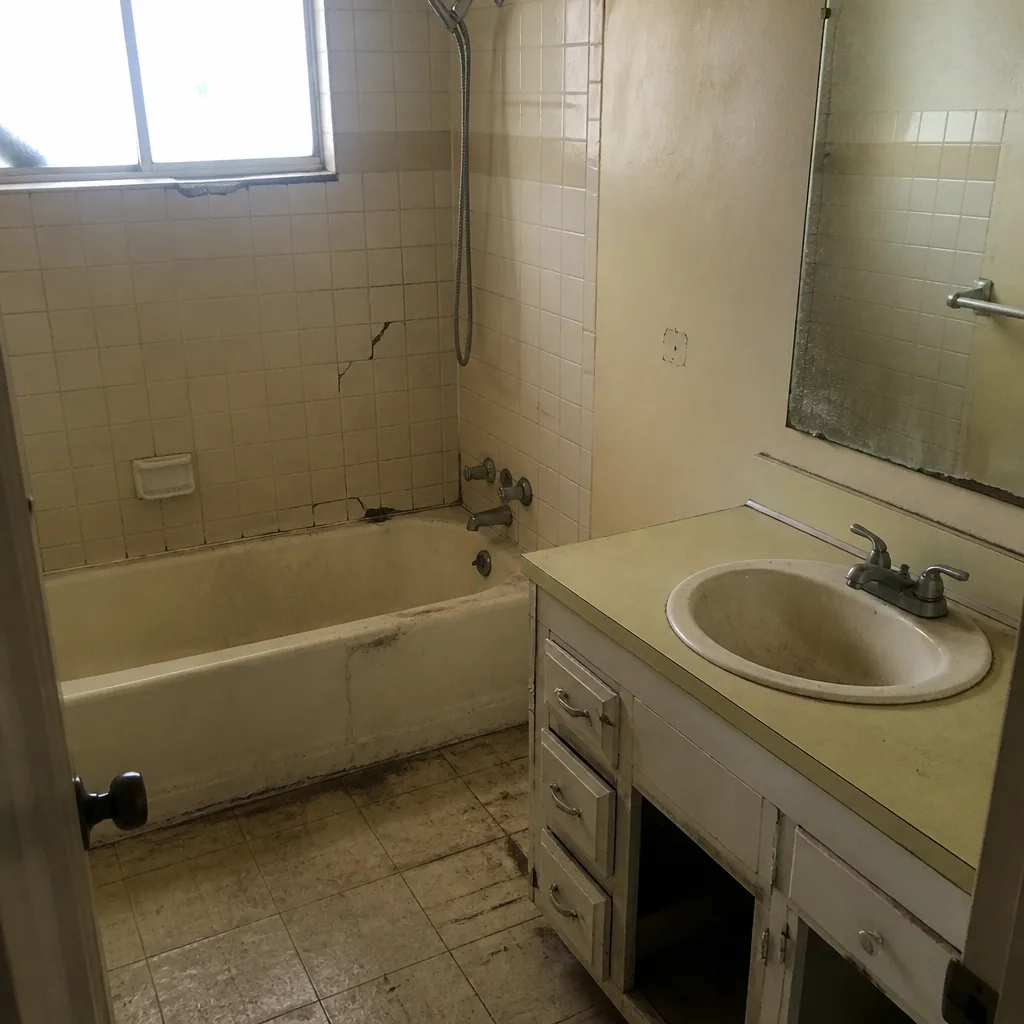 Before
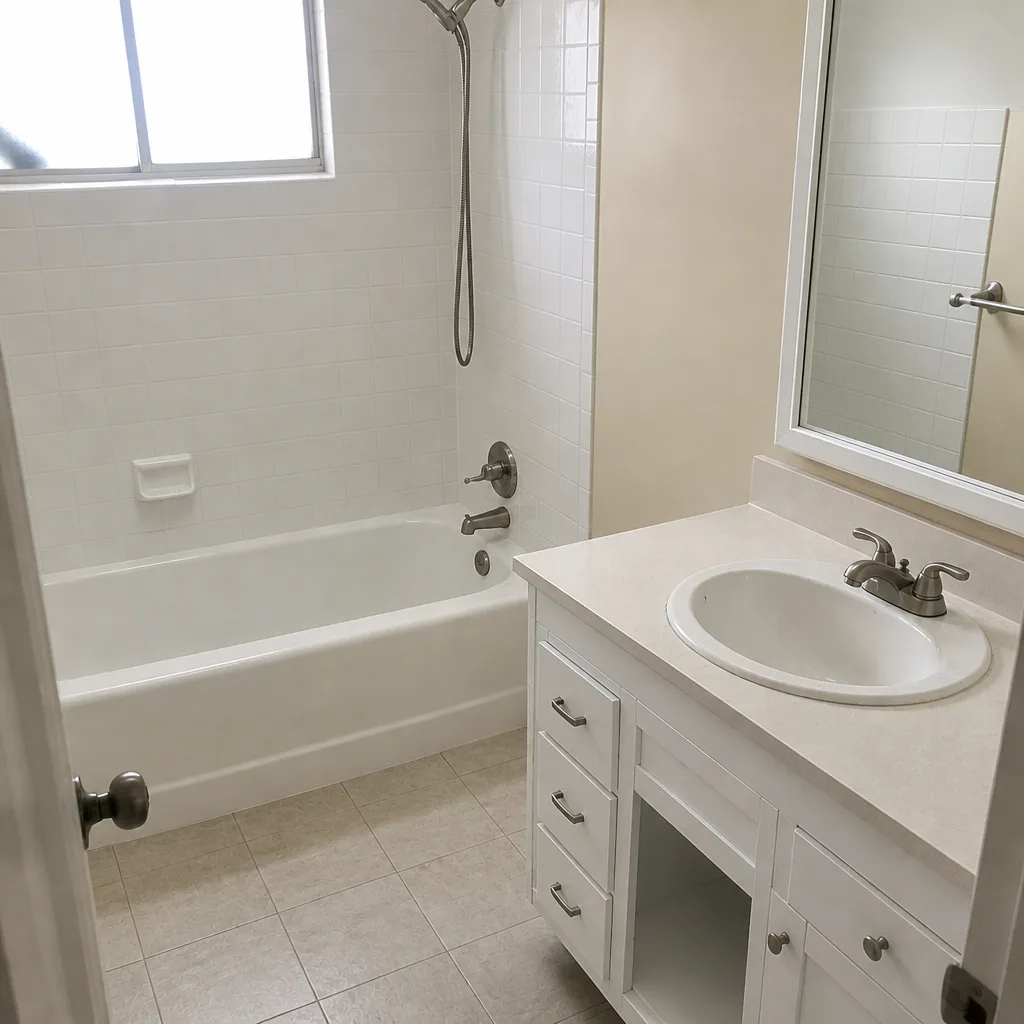 After
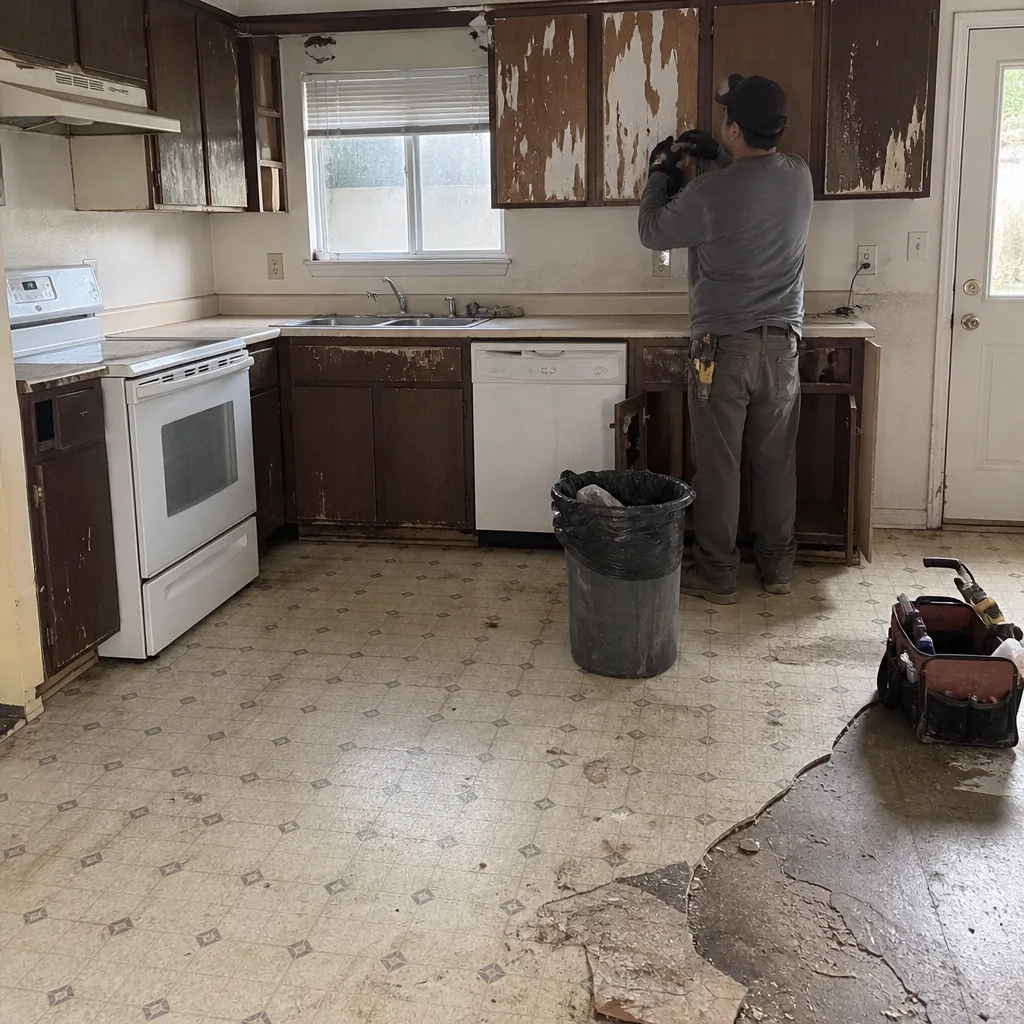 Before
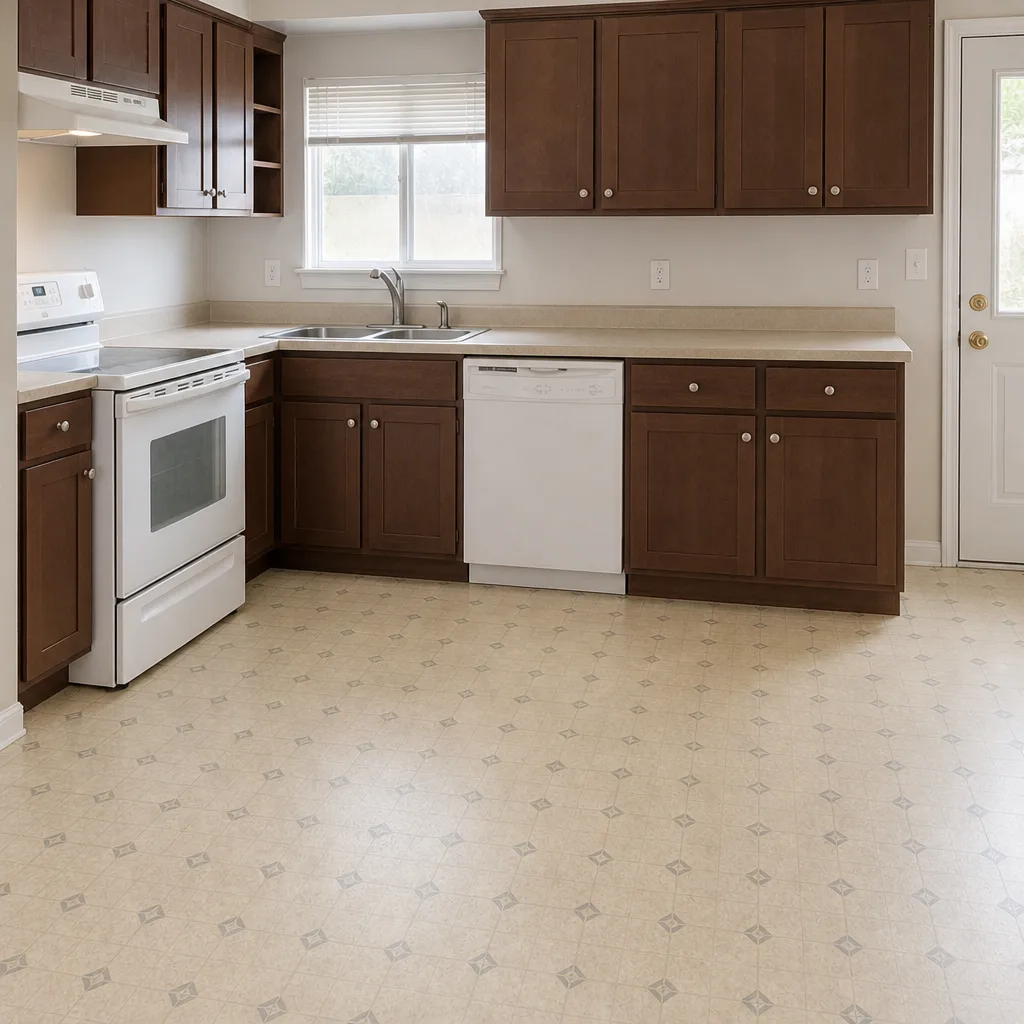 After
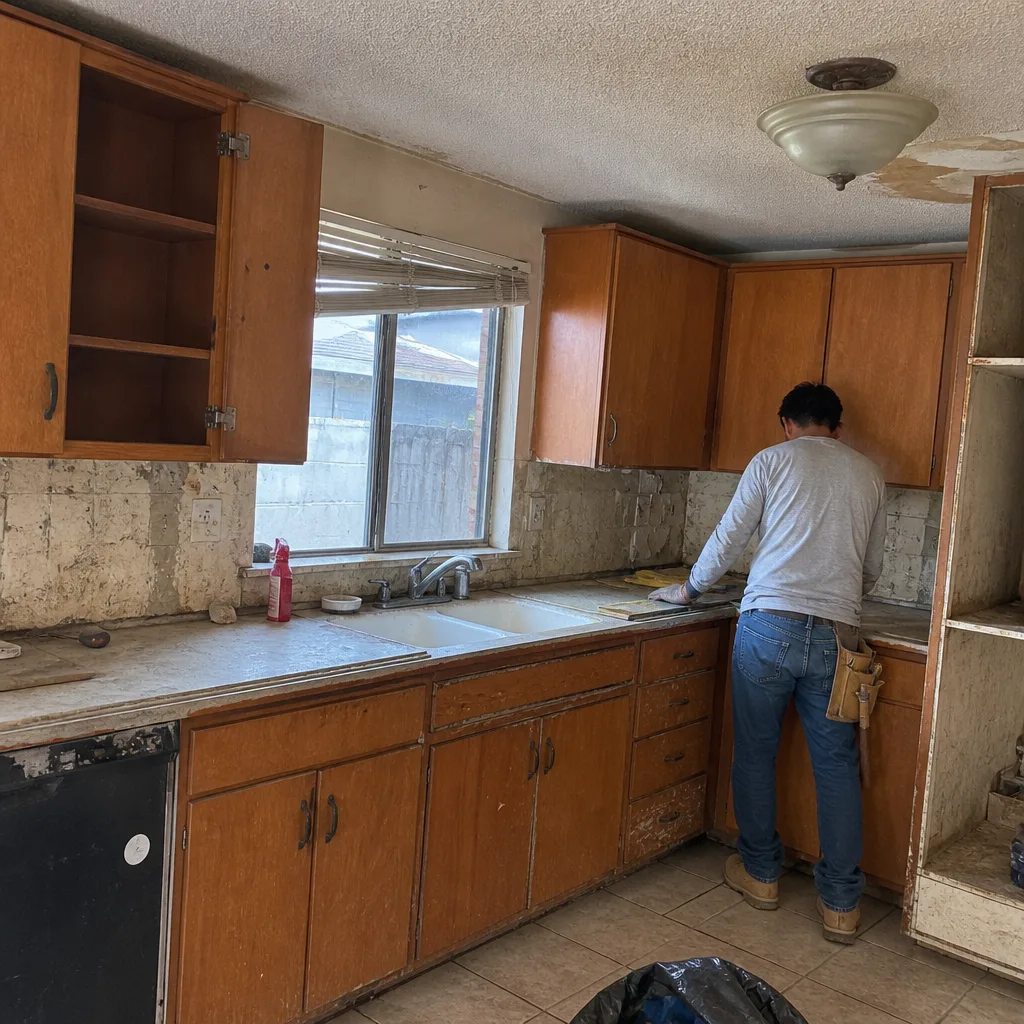 Before
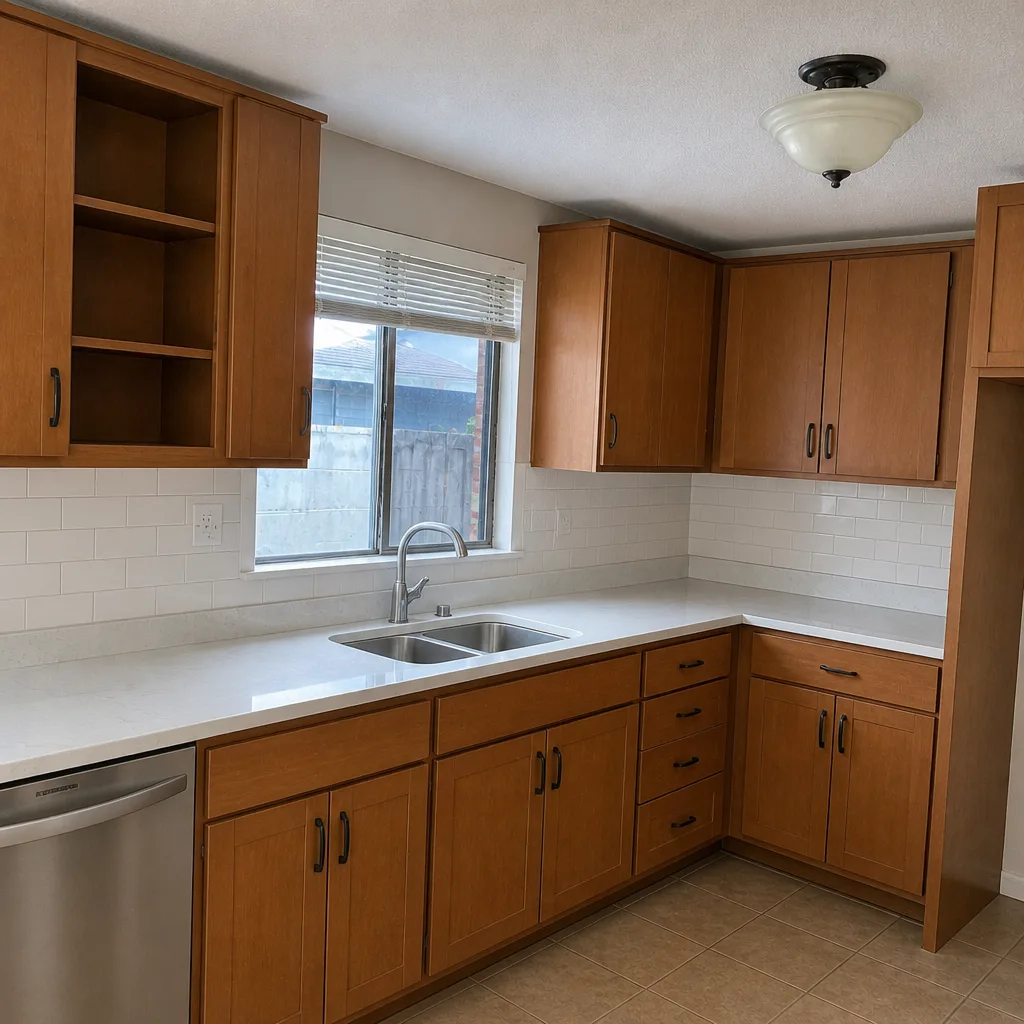 After
When to Call a Professional
Call a licensed professional when a crack has widened measurably over a 60-day window, when stucco shows efflorescence accompanied by hollow-sounding sections, when your electrical panel is a Federal Pacific or Zinsco and hasn’t been evaluated, when drains throughout the house run slow and smell of sulfur, or when the attic shows stained, sagging, or delaminated decking. Each of these is a sign that the underlying cause needs a professional evaluation, not a cosmetic repair. Our technicians have up to 15 years of experience with Citrus Heights housing stock, and we can inspect the warning signs and give you a written estimate for the repair or remodel that follows. Remodeling Citrus Heights offers free estimates in Citrus Heights. Call (279) 201-5321.
Frequently Asked Questions

Diagonal cracks at door and window corners are the most common warning sign, and also the most frequently misread. They usually point to slab movement from expansive clay soil rather than simple settling. Call (279) 201-5321 for a free estimate on an inspection and repair plan.
Many insurance carriers either decline to write a policy on homes with Federal Pacific or Zinsco panels or charge a premium that makes replacement the cheaper path. The core concern is that the breakers may not trip reliably on overload. If your panel is one of these and hasn’t been evaluated, call (279) 201-5321 for a free estimate.
A crack that widens measurably over 60 to 90 days, a crack that appears at multiple openings, or a crack accompanied by a sticking door or uneven floor is serious. Hairline cracks in the middle of walls with no change over months are typically cosmetic. Call (279) 201-5321 for a free estimate on an evaluation.
A sulfur or rotten-egg smell from drains in a pre-1980 home usually signals cast iron drain line deterioration. Cast iron corrodes from the inside, and the corrosion byproducts release hydrogen sulfide. A camera inspection will confirm the pipe’s condition. Call (279) 201-5321 for a free estimate.
The cost varies with the extent of the moisture source and the size of the affected wall. Efflorescence itself is a symptom; the repair targets the water intrusion, then rebuilds the stucco surface. A written line-item estimate sets the final price. Call (279) 201-5321 for a free estimate.
No. We work from a written line-item estimate, and the estimate sets the final price. If the scope changes because a hidden condition surfaces during the work (for example, damaged decking found under shingles), we document it and discuss the change before proceeding. Call (279) 201-5321 for a free estimate.
Yes. Permits are pulled through the local building department and the work is inspected. The local pro we connect you with is licensed and insured as their state requires. If you’re planning a kitchen or bath remodel in an older Citrus Heights home, the inspection is also a chance to catch warning signs before they’re covered up. Call (279) 201-5321 for a free estimate.
The Bottom Line
The construction warning signs that matter in Citrus Heights are the ones that point to soil movement, moisture intrusion, aging systems, or failing materials underneath. Cracks at openings, stucco efflorescence, Federal Pacific and Zinsco panels, cast iron drains in pre-1980 homes, and stained attic decking all share a common trait: they look manageable until they aren’t. Reading them early, and addressing the cause rather than the surface, is usually the difference between a repair and a rebuild. When you’re ready to evaluate, get a written estimate in hand and start from there.
Written by the team at Remodeling Citrus Heights.