Last updated November 25, 2026



Free written scope consultation - allowances, timeline, and change-order rules on paper before a single trade is scheduled
The Complete Home Remodeling Guide for Citrus Heights Homeowners
Most remodeling projects that go over budget don’t fail at construction. They fail at the planning stage, usually before a single permit is pulled. Homeowners pick a cabinet color and a countertop before anyone has decided the order the trades need to work in, which decisions carry the longest lead times, or what Sacramento County will require before the first wall comes down. The result is a project that stalls mid-demo while someone waits on an inspection or a back-ordered fixture.
This guide walks through the sequencing, permit timeline, resale math, and material lead times that actually govern a remodel in Citrus Heights. You’ll learn what order to make decisions, which upgrades hold value in this housing stock, and how to compare contractor bids line by line.
Quick Answer
A successful home remodel in Citrus Heights starts with permits and sequencing, not finishes. You lock the scope, pull Sacramento County permits early, decide the long-lead materials (cabinets, countertops, tile) before demolition, then run the trades in strict order: demo, rough framing, HVAC, electrical, plumbing, insulation, drywall, finishes. Projects in the $450K – $650K resale bracket get the best return from kitchens, bathrooms, flooring, and paint, and those are the scopes that recoup value most reliably.
Styles & brands we work with
- Kitchen remodeling
- Bathroom remodeling
- Home additions & ADU
- Roofing
- Windows & doors
- Driveway & pavers
- Fence
Table of Contents
- What permits does a Citrus Heights remodel need?
- What is the correct order of trades on a remodel?
- What order should you make design decisions in?
- Which remodels deliver the best resale return in Citrus Heights?
- How do you compare contractor bids fairly?
- How do material lead times shape the schedule?
- How do you choose materials without overpaying for a label?
- Common Mistakes to Avoid
What Permits Does a Citrus Heights Remodel Need?
In most of Citrus Heights, any work that changes the structure, the electrical system, the plumbing system, or the mechanical system requires a permit through Sacramento County’s building department. Kitchen and bathroom remodels that move a wall, add an outlet circuit, relocate a drain, or change a gas appliance fall under that rule. So do most additions, window replacements that alter the rough opening, and anything that touches the panel.
What usually does not require a permit: paint, flooring over an existing subfloor, new cabinet doors, and like-for-like fixture swaps that stay in the same location on the same supply and drain lines. Even there, the safe move is to call the county and ask. A five-minute phone call is cheaper than a stop-work order.
Here’s how the permit process typically runs:
- Scope document. Before you file, put the scope in writing: what comes out, what goes in, what moves. Ambiguity at this stage is what causes plan-check comments.
- Application and plan check. Sacramento County reviews the drawings. Simple interior work can clear faster than structural work; anything touching framing, load paths or new fenestration usually takes longer and draws more comments.
- Permit issuance and inspection schedule. The permit triggers a sequence of inspections, and each one must pass before the next phase is covered up.
- Final inspection. The job closes only when the last inspection passes. Don’t let the final be the finish-line item that nobody chases.
Two rules save Citrus Heights homeowners real money here. First, never let a contractor bury rough work before inspection. Second, never let anyone talk you into skipping the permit to “save time.” That shortcut shows up at resale, when an inspector or buyer’s agent asks for the file and there is no file.
What Is the Correct Order of Trades on a Remodel?
The order is fixed for good reason: every trade needs the one before it to be done so it can do its job without ripping out someone else’s work. Get the sequence wrong and you pay twice for the same wall.
- Demolition. Tear out to the studs where the scope requires it. This is when surprises surface: old wiring, water damage, a header where the plans didn’t show one. Budget a contingency for this phase.
- Rough framing. New walls, headers, and openings go in. Nothing else can be positioned correctly until the framing is right.
- HVAC rough-in. Ductwork and vent locations get set before the walls close.
- Electrical. Wiring, boxes, and panel work. This is the step where you must stop and get an inspection before insulating and drywalling.
- Plumbing. Supply and drain lines, including the rough-in for sink locations, shower valves, and any relocated fixtures. This is also a pre-drywall inspection point.
- Insulation. After the rough trades pass inspection, the walls get insulated.
- Drywall. Hang, tape, and finish. Now the room takes its shape.
- Finishes. Tile, cabinets, countertops, flooring, fixtures, trim, paint, and final connections.
The reason this order matters so much in Citrus Heights is that skipping ahead on a decision forces a tear-out. If you haven’t picked the freestanding tub before plumbing rough-in, the drain gets set for the wrong model. If the lighting layout is undecided when electrical is inspected, you’re adding boxes after drywall. Our technicians have up to 15 years of experience, and the single most common repair we get called for is fixing what happened when a homeowner made finish decisions after the walls were closed.
What Order Should You Make Design Decisions In?
Decision order and trade order aren’t the same thing. You make material decisions weeks before the trade that installs them arrives, but you make them in a sequence too, and that sequence is driven by lead time and by which decisions lock the ones after them.
- Layout and scope first. Where the sink goes, how big the shower is, whether the island stays. These decisions drive electrical and plumbing rough-in and cannot be changed later without cost.
- Long-lead items second. Cabinets, countertops, tile, and special-order fixtures. These carry the longest lead times and the cabinet design determines the countertop template date.
- Wet-area and rough-in fixtures third. The valve body for a shower and the rough-in for a wall-mounted toilet or a Grohe shower system need to be on site before the plumber sets them in the wall.
- Finishes last but not latest. Paint color, hardware, and trim should be decided before drywall so the trim package can be ordered. Picking paint after the drywall is up is fine, but picking the trim profile after the walls are painted means a re-paint.
The one order of operations we’d underline: never choose a countertop material before the cabinet layout is final. Cambria and Silestone are both cut to a template, and a template taken from the wrong footprint is an expensive piece of stone with someone else’s kitchen written into it. The right order is cabinets, then countertop template, then fabrication, then install.
In our experience, the projects that finish on schedule are the ones where the homeowners front-loaded three decisions: layout, cabinet lines, and the wet-area fixtures. Everything else can be chosen during construction without holding up a trade.
Which Remodels Deliver the Best Resale Return in Citrus Heights?
In the $450K – $650K resale bracket that covers most of Citrus Heights, buyers weigh two things: does the house look current, and do the systems work. That bracket is competitive, so a dated kitchen sets the listing price more than an upgraded bathroom helps it. Renovation return isn’t a national figure that applies everywhere; it’s local, and here’s how the scopes usually rank.
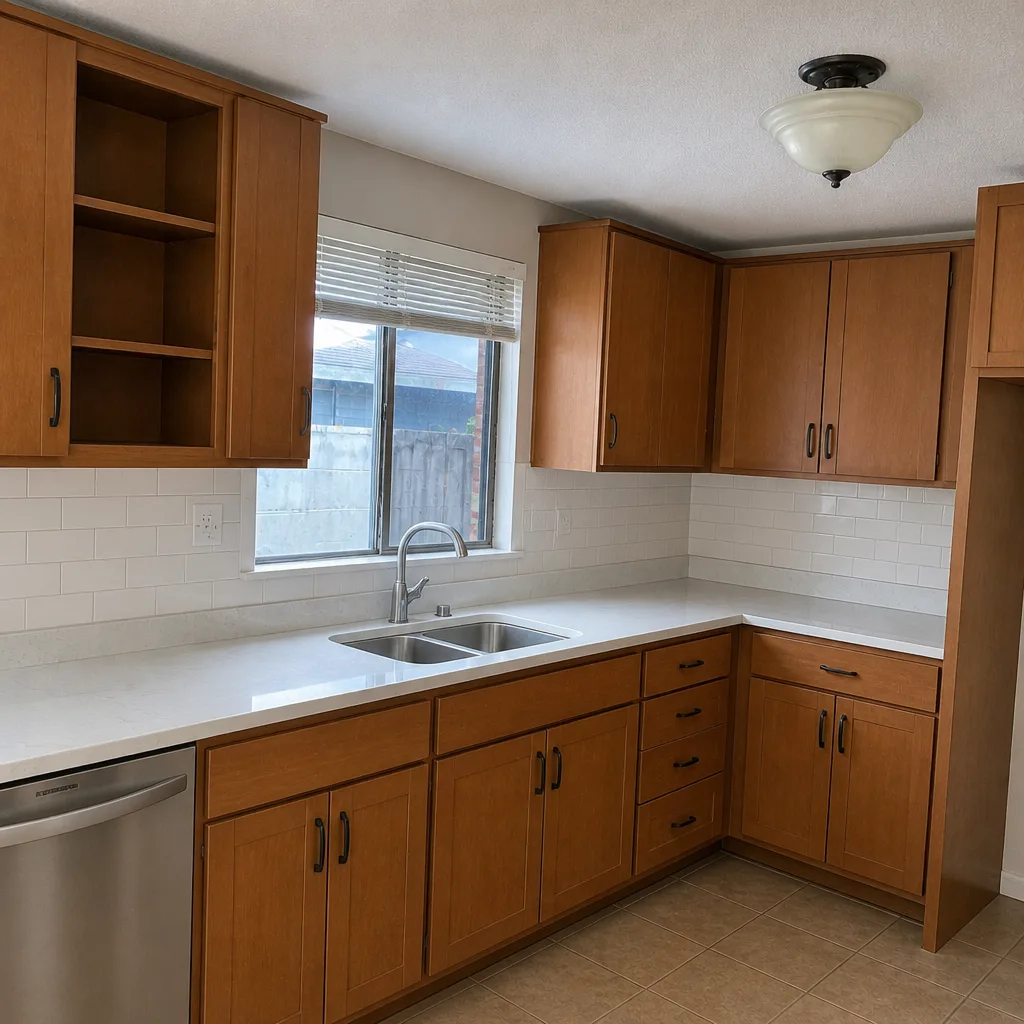
- Kitchen refresh with new surfaces. Cabinets, countertop, backsplash, and paint. This is the highest-visibility upgrade in the bracket.
- Bathroom remodel. The second-most-scrutinized room, and buyers read a dated shower tile as a deferred maintenance signal. Tile set over a proper Schluter waterproofing system reads as done right.
- Flooring throughout. New flooring unifies a house and buyers notice the transition from one floor to another more than they notice the material.
- Interior paint and trim. The cheapest large-margin visual upgrade in Citrus Heights. Fresh paint and straight trim shift how a room photographs.
- Exterior paint and cladding touch-ups. Curb appeal comes first at the showing. Siding that reads as crisp and well-sealed helps the house compete, and James Hardie is the name most buyers recognize.
What doesn’t recoup well in this bracket: moving a bathroom to a new location, high-end finishes that price you above the neighborhood, and structural reconfigurations that don’t fix an actual problem. Buyers in this price range expect a clean, current, well-maintained house, not a luxury one.
The honest answer is that ROI here is less about which room and more about whether the work looks finished. A half-renovated kitchen with new counters and old floors can actually lower a listing price because it reads as incomplete.
How Do You Compare Contractor Bids Fairly?
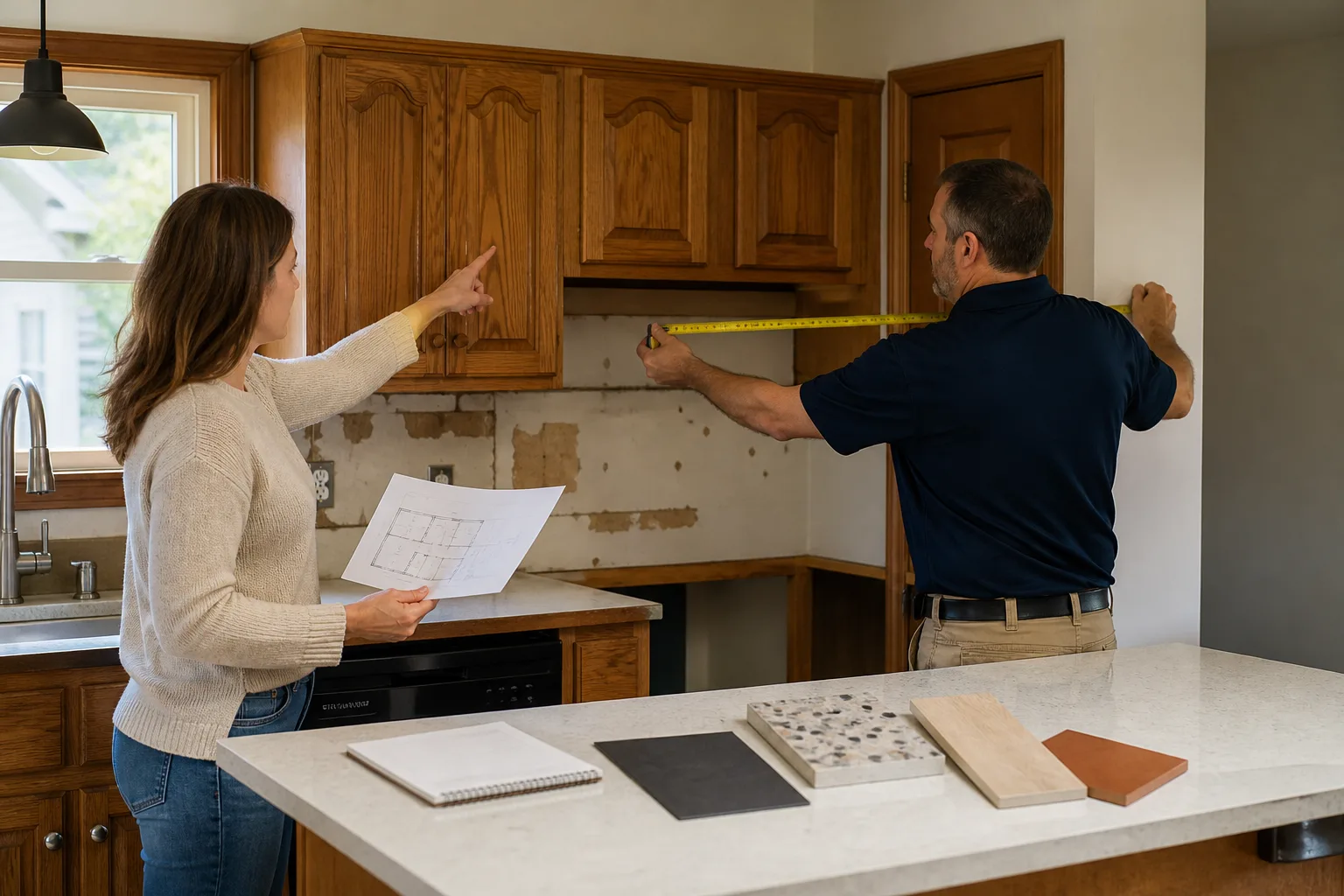
Bids are often not comparable to each other because they don’t include the same things. A bid that’s $15,000 less often isn’t cheaper; it just doesn’t include line items someone else included. Before you compare, put every bid into one worksheet with identical categories, then read across for the gaps.
These are the line items most commonly omitted to make a bid look cheaper:
- Permit fees and plan-check costs. Present in one bid, absent in another.
- Demolition and disposal. Hauling is a real cost and sometimes gets quoted separately.
- Repair allowance. When a wall opens and there’s rot or old wiring, who pays? A bid with no contingency line is a bid that will change once the job starts.
- Painting and touch-up. A kitchen remodel that leaves patched drywall for you to paint isn’t finished. Insist the paint line be itemized.
- Final cleaning. Sounds minor until you’re sweeping up at the end of the job.
- Hardware and trim. Cabinet pulls, door stops, and baseboard can be a meaningful number if the bid says “hardware by owner.”
When you compare, ask each contractor to walk you through the bid line by line and to confirm what the written estimate actually fixes. A written estimate that locks the scope in writing and holds a fixed price is worth more than a lower verbal number. We put everything from the cabinet box to the painted trim into one estimate so there’s nothing to reconcile later, and if a line is missing, we’d rather add it before we start than add a change order later.
Call (279) 201-5321 for a free estimate and a line-item quote you can compare against any other bid. We answer 24/7. Fast dispatch from 7am to 7pm, Sunday through Friday.
How Do Material Lead Times Shape the Schedule?
Material lead time is where home remodels in Citrus Heights actually get lost, because the weeks you spend waiting on a cabinet or a special-order fixture are the weeks the crew can’t move forward. The schedule should be built backward from the longest-lead item, not forward from demolition.
What drives lead time in this region:
- Semi-custom cabinetry. Made after the order is placed, so the selection and order happen before demo. KraftMaid and Wellborn both run through made-to-order cycles.
- Quartz countertops. Fabrication is after template, and template is after cabinets are set. Cambria and Silestone both need a template appointment, which adds a distinct gap in the finish schedule.
- Special-order plumbing. A Grohe or Toto fixture isn’t always on a shelf. Order wet-area rough-in fixture bodies early so the plumber can set them during rough-in.
- Exterior cladding. James Hardie siding ships as ordered, and exterior projects carry the possibility of weather delays during the wet part of the year.
- Tile. Some tile sizes and patterns are stocked; many are ordered. Schluter systems for waterproofing and transitions need to be scheduled with the tile, not after it.
Our advice for planning: build the schedule with a gap for the longest lead item and confirm in writing when that item will arrive. If the cabinet arrives three weeks late, the rest of the schedule shifts three weeks. Building in that buffer at the start is how you avoid a stalled kitchen in Citrus Heights with drywall up and no cabinet boxes on site. Wet weather between November and March can also slow exterior painting and siding, so exterior work is best scheduled with a weather contingency, not a fixed date.
How Do You Choose Materials Without Overpaying for a Label?
Choosing materials is where the money gets spent and where the most honest conversations happen. The useful question isn’t “is this brand good?” It’s “does this brand and model fit the job and the budget?” Most materials have a top tier where the finish is beautiful and a mid-tier where the function is identical and the look is nearly so.
Take plumbing fixtures. Grohe and Toto are the top-tier names, and they earn the reputation: precise valves, quiet flush, genuine longevity. Moen, Delta, and American Standard are the mid and value tier, and a Delta kitchen faucet will run for a decade. The honest cost-benefit is that Grohe and Toto make sense where the feature is felt daily (the shower valve, the toilet seat and flush), and the value tier makes sense where the function is a warm water supply from the same connection. Sterling is the practical side of the same decision for bath fixtures.
The countertop conversation runs the same way. Cambria, Silestone, and Caesarstone all make a quartz that will outlast the cabinets. The differences come down to color range, edge profiles, and finish, not to whether the slab will hold.
The choice that matters more than the brand name is the installation standard behind it. A tile shower is only as good as the waterproofing under it, which is why we set tile on Schluter systems for wet-area transitions. The brand on the box doesn’t set the life of the install. The method does. That’s why we say we build to the brand’s spec, not the shortcut.
Common Mistakes to Avoid
- Choosing finishes before the layout. A gorgeous tile pattern doesn’t matter if the shower ends up a different size. Confirm the footprint before you shop.
- Starting demo before permits are in hand. Sacramento County can issue a stop-work order, and a stopped job still costs money every week it’s idle. File early, and let the permit run in parallel with material selection.
- Forgetting the contingency. Opening walls in a Citrus Heights house can reveal old wiring or a drain that isn’t where the plans showed. A contingency line is not pessimism; it’s a buffer that keeps a small surprise from becoming a project halt.
- Sequencing the plumbing after drywall. The most common avoidable tear-out. Rough-in is a pre-drywall inspection item for a reason.
- Buying special-order fixtures late. A wall-mount toilet or a Grohe valve body needs to arrive before rough-in, not on the day of install.
- Comparing bids without a worksheet. A cheap bid and a complete bid look the same until you put them side by side. Line up the categories before you decide.
- Painting last-minute on an exterior. Fall weather can close the window on exterior paint and siding. Book the exterior with a weather cushion, not a hard date.
See the difference
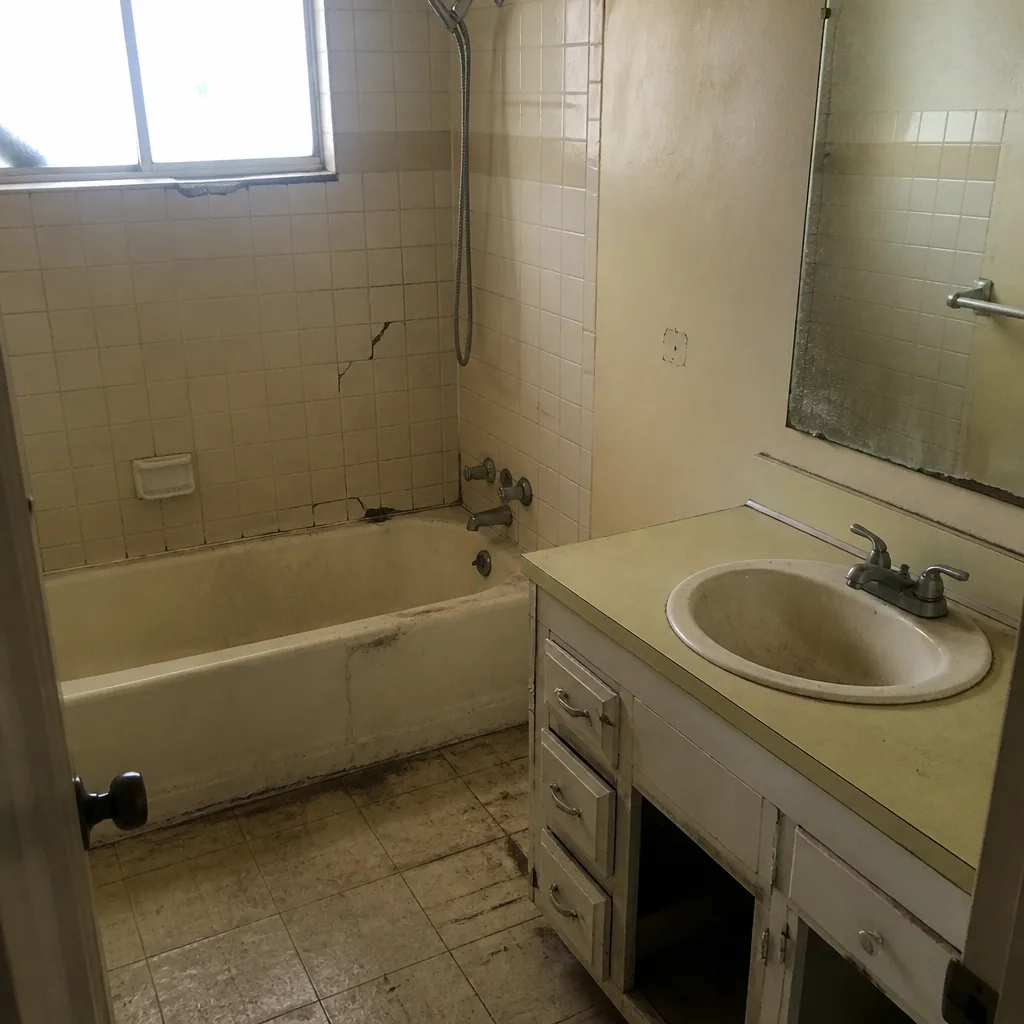 Before
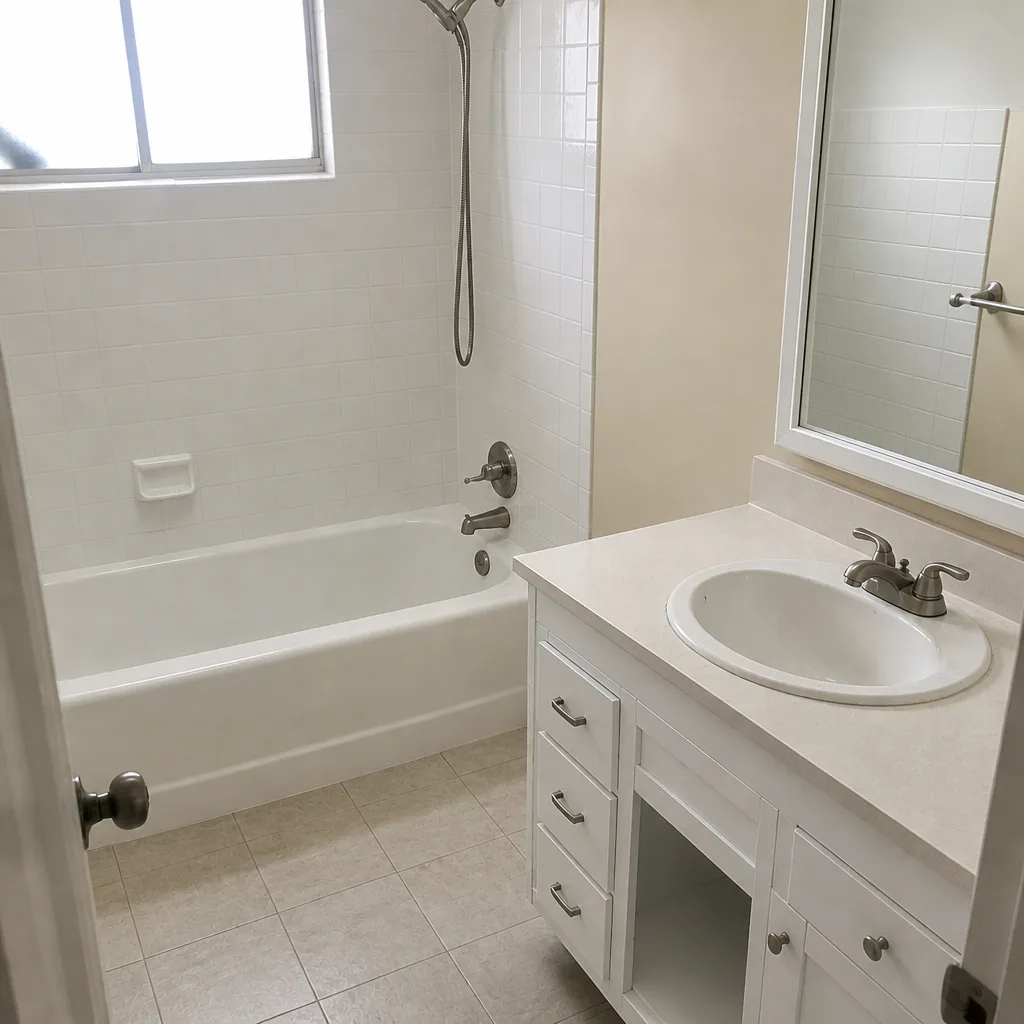 After
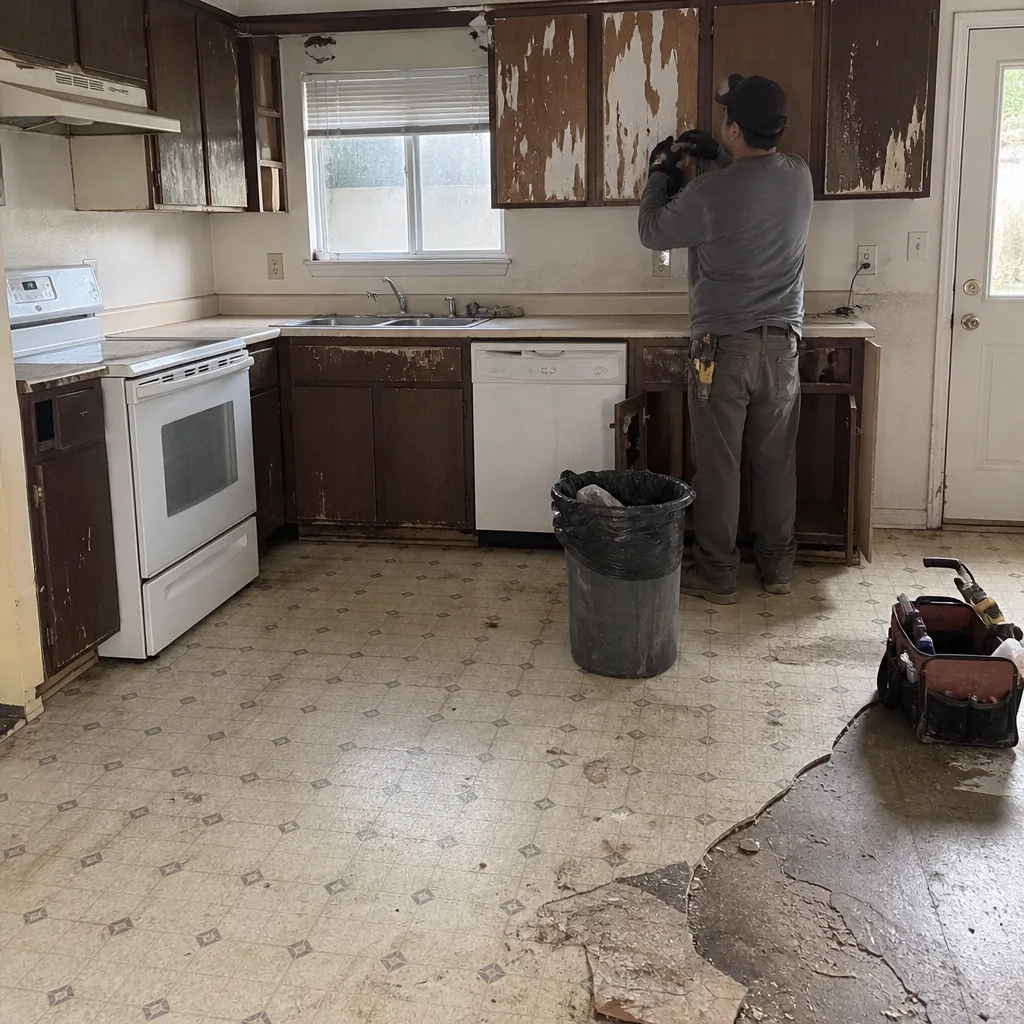 Before
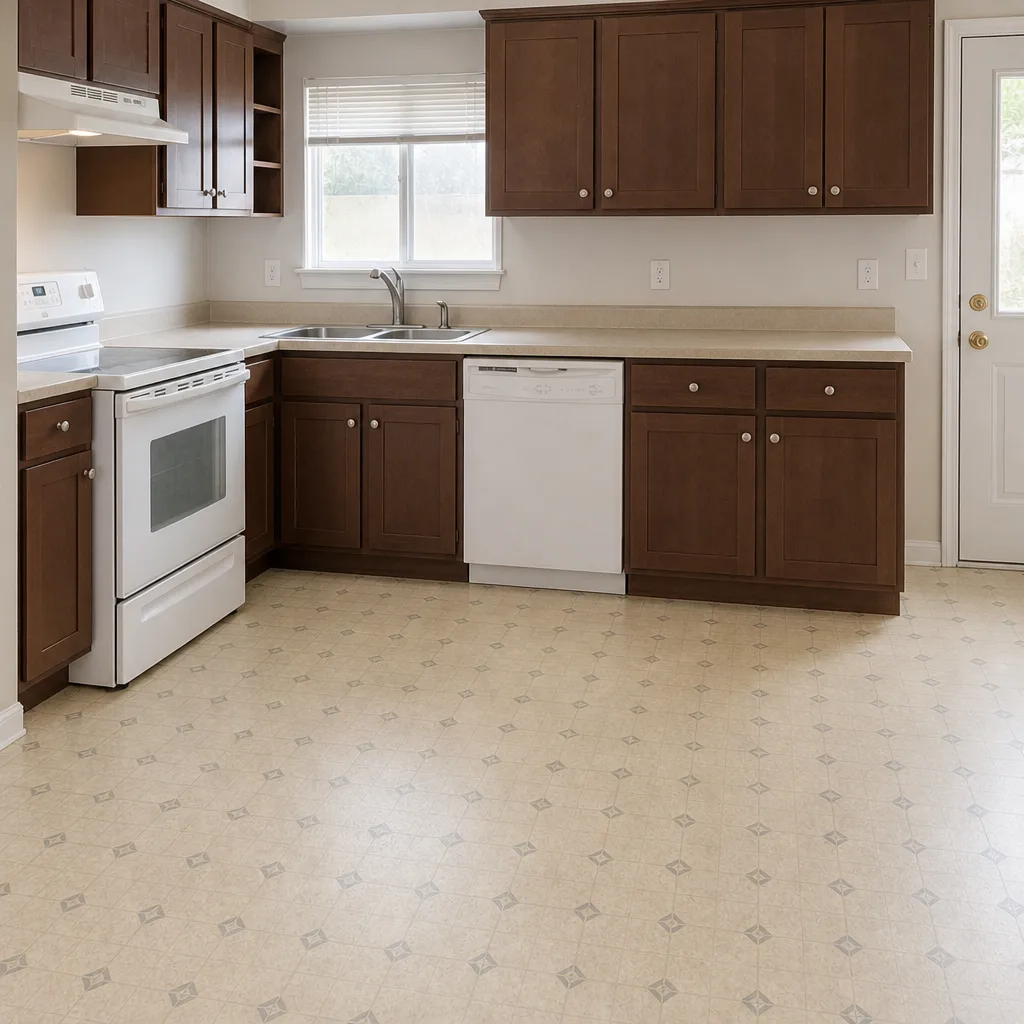 After
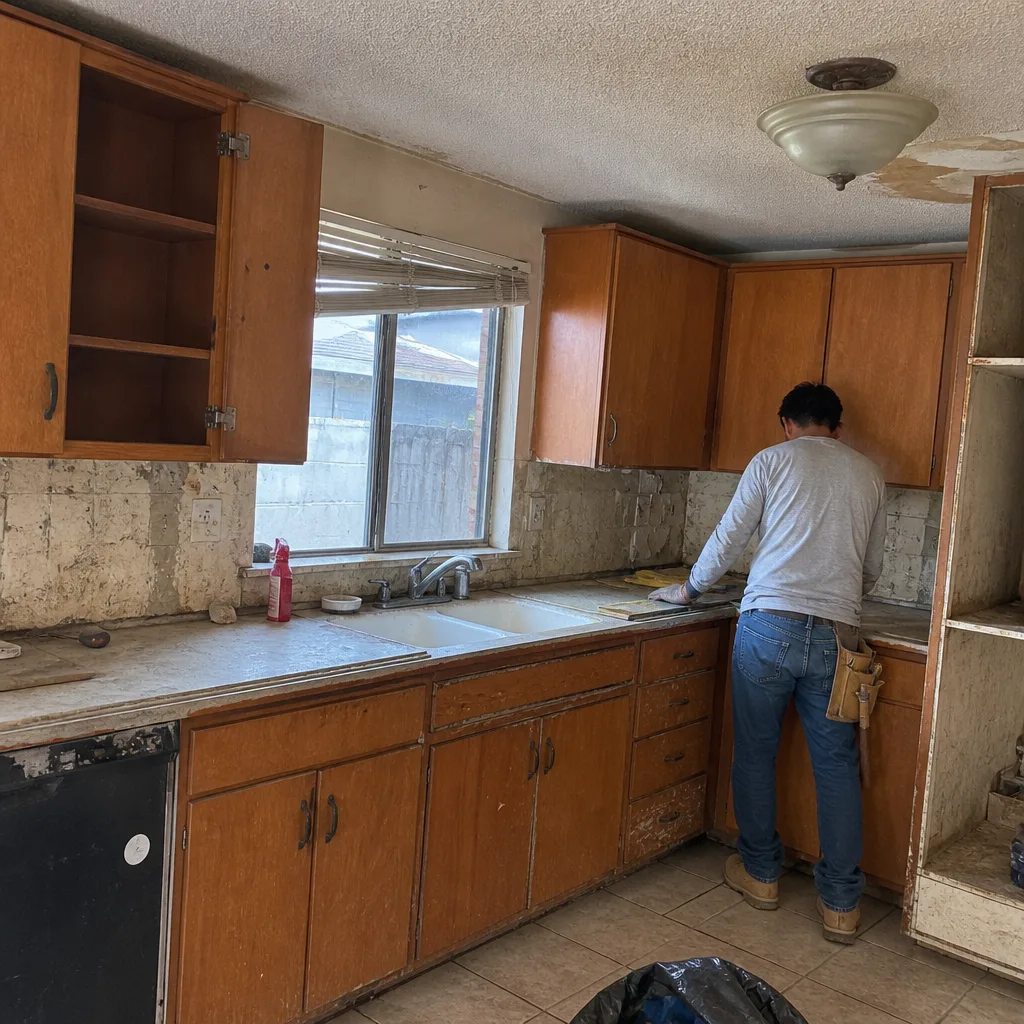 Before
 After
When to Call a Professional

Some jobs are genuinely do-it-yourself: swapping a faucet, painting a bedroom, replacing a light fixture. But several points in a remodel cross the line into work that carries real risk. Call a professional when the work touches the electrical panel or involves new wiring, when it touches a gas line, when it involves structural framing or a load-bearing wall, and when it involves the waterproofing under a tile shower. These are the places where a mistake is expensive, dangerous, or both, and where the inspection process exists to protect you. When in doubt, get it inspected.
If you’re at the decision stage and want a contractor to walk the property and give you a line-item estimate, Remodeling Citrus Heights offers free estimates in Citrus Heights. Call (279) 201-5321. We answer 24/7. Fast dispatch from 7am to 7pm, Sunday through Friday.
Frequently Asked Questions
It depends on the scope, because a cabinet-and-counter refresh and a full down-to-studs kitchen are different projects. Rather than guess, we give you a written line-item estimate so every cost is visible. Call (279) 201-5321 for a free estimate.
Yes, if the work touches plumbing, electrical, mechanical or structure, which most bathroom remodels do. Like-for-like fixture swaps in the same location may not require one, so confirm with Sacramento County before you start. Call us and we can walk you through the permit requirement for your specific scope.
A kitchen or bathroom typically spans a couple of months depending on material lead times and permit review. The permit and the long-lead items set the real dates, so plan the schedule back from the longest item and build in a cushion. Call (279) 201-5321 for an estimate that includes the timeline.
Not on a fixed-price written estimate for the agreed scope. What changes the number is a change order for work that was not in the scope, such as finding old wiring when a wall opens, and that only happens with your approval. We’d rather price it right upfront than surprise you mid-project. Call (279) 201-5321 to schedule a free estimate.
Yes, permitted work is filed through Sacramento County as part of the project. The permit and the inspection sequence are part of the plan, not an afterthought. Call (279) 201-5321 and we’ll confirm what your job needs.
Kitchens, bathrooms, flooring, and paint hold value best in the $450K – $650K resale bracket, because buyers in that range are weighing current finishes and working systems. Structural relocations and finishes that price above the neighborhood tend to return less. Call (279) 201-5321 for a free estimate on your project.
The Bottom Line
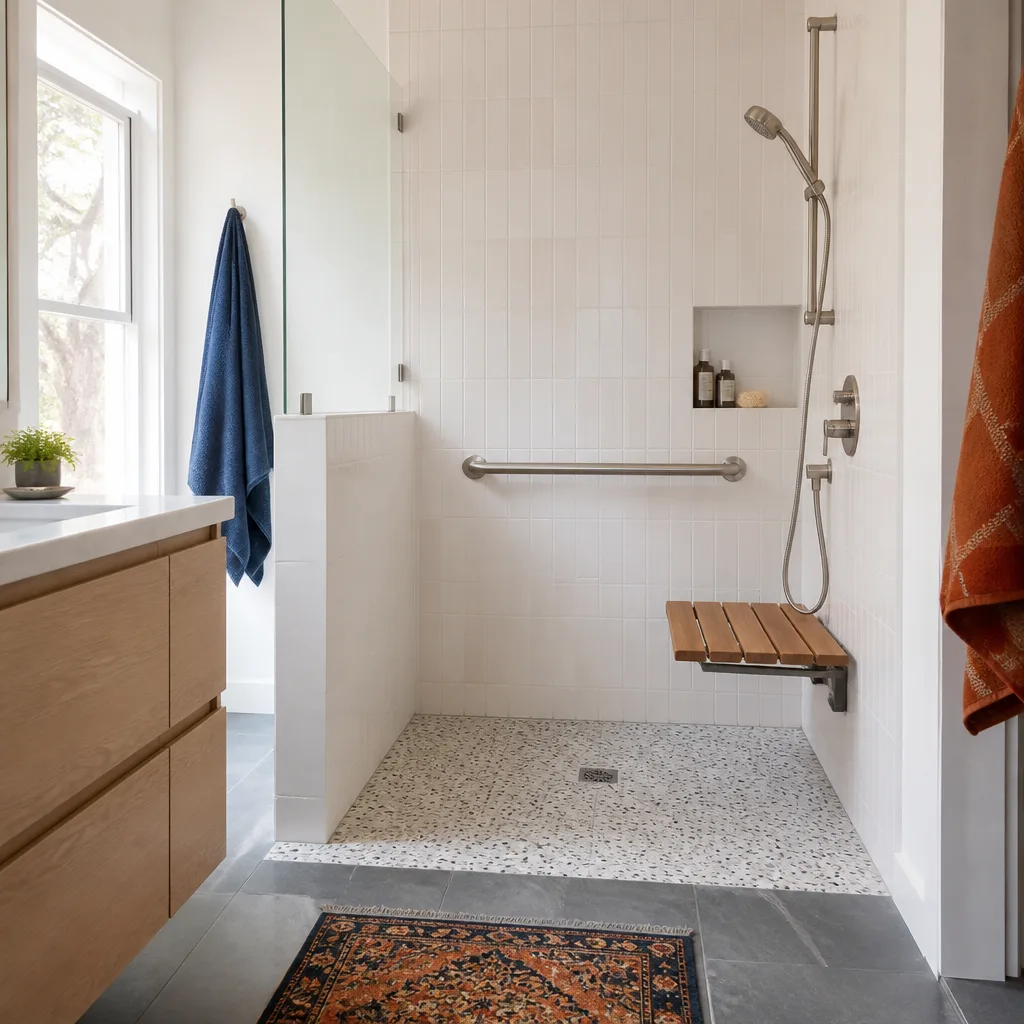
A Citrus Heights remodel succeeds or fails in the planning, not the construction. The four things that decide your outcome are the permit timeline, the order you make decisions, the trade sequence, and the lead time on material. Get those right and the construction phase runs the way it should. The projects that recoup value in this local market are the ones that look finished: kitchen surfaces, bathroom tile, floors, and paint, all built to the manufacturer’s spec. Whether you’re planning kitchen remodeling or something larger, start with an estimate that itemizes the scope and a timeline built from the longest lead item. If you’re weighing a broader scope, our home remodeling and bathroom remodeling pages cover the trade-level detail for each.
Ready to price your project in Citrus Heights? Call (279) 201-5321 for a free estimate. We answer 24/7. Fast dispatch from 7am to 7pm, Sunday through Friday.
Written by the team at Remodeling Citrus Heights.