Last updated November 25, 2026







Free written scope consultation - allowances, timeline, and change-order rules on paper before a single trade is scheduled
Construction Emergency Preparedness Guide for Citrus Heights Homes
Most emergency prep advice for Citrus Heights homes starts with earthquakes. That advice misses the two failures we actually get called about after bad weather: water that can’t leave the property, and wind-blown embers that find the one unscreened vent on an older home. Both are construction problems, not gear problems. A generator and a case of water won’t help a crawlspace that is taking on water or a gable vent pulling embers into an attic. This guide covers the specific vulnerabilities in Citrus Heights housing stock, how to inspect them, what corrections realistically cost, and how to document everything so an insurance claim survives. You’ll leave with a prioritized checklist you can walk your own property with.
Quick Answer
The biggest construction emergencies facing Citrus Heights homes are not seismic. They are drainage and grading failures during atmospheric river storms and wildfire ember intrusion through unscreened vents, open soffits and wood decking attached to the house. Correcting grading away from the foundation typically runs $800 to $4,500 depending on the length of the run and whether a drain line is added, and screening the vents on a typical single-story Citrus Heights home usually falls in the $200 to $900 range. Most of this work is planned work, not panic work, which means it is cheapest and easiest to do before the season that tests it.
Styles & brands we work with
- Kitchen remodeling
- Bathroom remodeling
- Home additions & ADU
- Roofing
- Windows & doors
- Driveway & pavers
- Fence
Table of Contents
- Why Drainage and Grading Decide Whether a Storm Is an Emergency
- Wildfire Ember Intrusion: The Vents and Gaps That Matter
- Gas Line and Meter Shutoff: Know Your Configuration Before You Need It
- What to Photograph Before and After a Construction Emergency
- Post-Emergency Contractor Engagement Without Getting Burned
- How to File a Supplement With Your Insurer
- The Pre-Season Walkthrough: A Numbered Checklist
- What Retrofits Actually Reduce Risk (and What Doesn’t)
Why Drainage and Grading Decide Whether a Storm Is an Emergency
Citrus Heights sits on heavy valley soils that absorb water slowly and hold it. During an atmospheric river, rain arrives faster than that soil can take it, and the water goes wherever gravity sends it. If the ground around your foundation doesn’t slope away at a visible rate, the water sends itself into your crawlspace, your garage slab edge, or the base of a stem wall. That’s the difference between a wet yard and a $20,000 foundation drainage repair. We’ve watched this pattern repeat across the valley floor.
How to Read Your Own Grading
You don’t need instruments to spot a problem. Walk the perimeter after a normal rain and look for three things:
- Standing water within 24 hours of rain stopping. Any puddle that survives a day means the soil is not draining or the slope is flat or negative.
- A visible soil line against siding or stucco. If the dirt meets the wall with no foundation exposure, the grade is too high, and water wicks into the wall assembly.
- Downspouts that dump within three feet of the foundation. This is the most common single cause of wet crawlspaces in Citrus Heights homes, and the cheapest to fix.
What Correcting Grade Actually Involves
A proper correction regrades the soil to slope away from the house, typically at a rate of about six inches of fall over the first ten feet. That sounds simple, but on a lot with a flat pad or a neighboring property higher than yours, it means adding a swale, a French drain, or a buried line to a daylight point. Contractors in this market typically price grading and drainage corrections at roughly $800 to $4,500 depending on run length, soil volume and whether drainage pipe is included. The written estimate sets the final number. Tackle this before the wet season, not during it, because saturated clay is much harder and more expensive to move than dry clay.
Wildfire Ember Intrusion: The Vents and Gaps That Matter
Wildfires reaching the valley are carried by wind, and the leading edge of a wind-driven fire is embers, not flame. Embers travel well ahead of the fire line and find the smallest openings: an unscreened gable vent, an open soffit, a crawlspace vent with quarter-inch mesh, a gap where a wood deck meets the house. Many Citrus Heights homes built in the 1960s and 1970s still carry the original vent screens, or have none. That’s the vulnerability most homeowners have never looked at.
The Ember Entry Points to Inspect
- Gable and eave vents. The mesh should be no larger than 1/8 inch (sometimes written 1/16 inch for the finest screens). Anything coarser will pass embers.
- Soffit gaps. Open soffits with no screening behind the fascia are an ember intake straight into the attic.
- Crawlspace foundation vents. Standard hardware cloth passes embers. Screened vent covers are available and inexpensive.
- Deck attachments. Wood decks attached to the house collect debris in the gap between deck and siding. That debris is tinder. Metal flashing at the attachment point is the fix.
- Wood fencing attached to the house. A wood fence running to the siding carries fire right to the wall. Brands like Barrette and Master Halco offer metal fence systems that break that path, and Ameristar and Jerith make metal railing and fencing lines that serve the same purpose for gates and railings.
Retrofit Specs Worth Following
CAL FIRE and the broader wildland-urban interface guidance call for ember-resistant venting, Class A roofing, noncombustible siding within the first five feet of the structure, and a defensible space zone extending 100 feet from the home where terrain allows. The single highest-return item on most Citrus Heights homes is vent screening, because it is cheap and it closes the largest opening. That work usually runs $200 to $900 on a typical single-story home, and it can be done as a standalone job. Cladding replacement with a noncombustible product such as James Hardie siding is a bigger project and belongs in a planned remodel rather than a scramble.
Gas Line and Meter Shutoff: Know Your Configuration Before You Need It
When the ground shakes, when a tree limb lands on the meter, when you smell gas in the garage, the question of where the shutoff is becomes urgent in a way that most homeowners have not prepared for. The configuration varies from house to house in Citrus Heights, and knowing yours is the difference between a controlled shutdown and a call to the fire department.
What to Identify
- Locate the meter. It’s usually at the side or rear of the house, at the property line, or in a below-grade vault. Find it now, in daylight, when you’re not in a hurry.
- Identify the shutoff valve. On most residential meters it’s a lever on the riser between the meter and the house. Note its position and whether it turns a quarter turn or a full turn.
- Confirm which utility serves your address. In Citrus Heights, natural gas service is provided by PG&E, not SoCalGas. Confirm with your own bill rather than assuming.
- Photograph the valve and the meter. Tape the photo inside the utility cabinet or add it to a shared family album. In a real event you will not remember where it was.
- Note the documentation. The utility owns the meter and the service line up to the meter. The line from the meter to the house is the homeowner’s responsibility. Knowing which is which prevents arguments with the utility during an emergency.
When to Call the Utility Versus a Plumber
Call the utility immediately if you smell gas, if you see damage to the meter or the service riser, or if a line has been struck. The utility is the only party authorized to work on the service side. Call a licensed plumber for the customer-side line, for appliance connections, for a leak you’ve located downstream of the meter, and for any repair that requires a permit. Gas work is not a homeowner task under any circumstances: if you smell gas, leave the building and call from outside.
What to Photograph Before and After a Construction Emergency
Insurance claims are won or lost on documentation, and the gap that sinks the most claims is simple: homeowners have photos of the damage but not of the condition before it. Without a “before” record, an adjuster has to make assumptions about what was already worn, already cracked, already failing. That’s how a legitimate claim gets reduced or denied.
What to Photograph Now, Before Anything Happens
- Every wall of every room, wide shot. Open cabinet doors, closets and the garage. Wide shots establish the state of finishes.
- Close-ups of the mechanicals. Water heater, furnace, electrical panel with the door open, gas meter and shutoff, and the water main shutoff.
- The foundation perimeter. All four sides, including the grade against the wall and any existing cracks in the slab or stem wall.
- The roof from the ground. Overall condition and any existing damage. A drone shot is better if you have access to one.
- The attic and crawlspace. Insulation depth, vent screens, any existing moisture staining.
- Outbuildings, fencing and hardscape. Full run of the fence, the driveway, patios and retaining walls.
What to Photograph After an Event
Shoot wide before you clean. The first photo set should show the whole room, then work to the specific damage. Include a reference object for scale, and photograph any water line on a wall with a tape measure held against it. Save the original files with their timestamps; texted or compressed copies lose metadata. Then write a dated narrative of what happened, what you did, and who you called. That timeline is the backbone of the claim.
Post-Emergency Contractor Engagement Without Getting Burned
After a damaging event, contractors arrive from out of the area, knock on doors, offer to start the next morning for cash, and disappear. The documented pattern is old enough to have a name: storm chasers. The defense is simple and unglamorous. Verify the license, read the contract line by line, and never pay for work that hasn’t been performed.
How to Vet a Contractor in the First Ten Minutes
- Ask for the license number and look it up. In California, that’s the Contractors State License Board. A licensed contractor will hand over the number without hesitation.
- Confirm the license class matches the work. A General Building (B) license is the right class for whole-scope remodeling; specialty classes cover narrower work.
- Ask for the certificate of insurance directly from the insurer. Not a photocopy, not a screenshot. Call the number on the certificate.
- Get the address on the contract. A legitimate business has a physical address you can visit. A PO box and a cell number alone is a warning sign.
- Refuse any demand for a large upfront payment. Standard practice is a modest deposit, with progress payments tied to completed work. Full payment before work starts is a red flag.
What an Emergency Stabilization Contract Should Contain
Stabilization is the first phase after a loss: tarping a damaged roof, boarding broken windows, drying a wet crawlspace, securing a compromised wall. The contract for that phase should include a detailed scope of what will be done, the schedule, the price for that specific scope, and the change order process for anything discovered later. It should name the license number and the insurance carrier, and it should allow you to terminate if the work doesn’t match. It should also state that it’s a stabilization contract, not the full repair contract, so you’re free to bid the rebuild separately.
How to File a Supplement With Your Insurer
A supplement is a request to your insurer for additional funds after the initial claim has been assessed and the scope was found incomplete. It’s a normal part of the process and not an accusation. Contractors find hidden damage behind drywall, in framing, under flooring, in plumbing that wasn’t visible during the initial inspection. That discovery is the reason supplements exist.
Filing Steps
- Document the additional damage before it’s covered up. Photos with a scale reference, and a written description by the contractor.
- Get a written scope and price from the contractor for the additional work. An adjuster needs to see the line items, not an estimate on a napkin.
- Submit to the adjuster with the claim number and a cover note. State plainly what was found, where, and why it couldn’t have been seen during the initial inspection.
- Ask for a re-inspection if the adjuster pushes back. Some discoveries really do need eyes on them.
- Keep everything in one file. Contract, photos, correspondence, supplement requests, approvals. Insurers respond faster to organized claims.
Never let a contractor tell you to skip the supplement and “we’ll figure it out.” That puts the cost on you or on the contractor, and it usually ends in a dispute.
The Pre-Season Walkthrough: A Numbered Checklist
Do this walkthrough in the dry months so the fixes are done before the wet and windy ones. It takes an afternoon. It’s the single most useful thing you can do for your Citrus Heights home.
- Walk the perimeter after a rain and note any standing water. Puddles that survive a day mean a grading or drainage correction is due.
- Check that the ground slopes away from the foundation on all four sides. At least six inches of fall over ten feet is the target.
- Extend downspouts at least six feet from the house. Cheap, quick, and effective.
- Inspect every vent screen on the house: gable, soffit, crawlspace. Replace any mesh coarser than 1/8 inch.
- Look at the deck-to-house junction and any fence attached to the house. Flashing at the deck, metal fence systems at the wall.
- Clear the first five feet around the foundation of combustible material. Firewood, bark mulch, wood planters, stored lumber.
- Locate and photograph the gas shutoff, water main and electrical panel. Share the photos with everyone in the household.
- Photograph every room, the attic, the crawlspace and the roof. Store the files outside the house, in the cloud or with a relative.
- Test the sump pump or drainage pump if you have one. Replace the battery backup if it’s more than a few years old.
- Check the roof from the ground for lifted shingles and failed flashing. Note anything that a roofer should look at.
What Retrofits Actually Reduce Risk (and What Doesn’t)
Not every retrofit is worth the money, and the difference between a high-return upgrade and a low-return one is usually whether it addresses a real failure mode on your specific home. On a Citrus Heights home, the rankings tend to fall into three tiers.
High Return
- Vent screening and deck flashing. Inexpensive, closes the biggest ember path, and takes a day.
- Grading and downspout extensions. The single best protection against wet-season water intrusion.
- Written documentation of the home’s condition. Costs nothing, pays the most at claim time.
Moderate Return
- Noncombustible siding within five feet of the structure. A real upgrade, and a natural fit inside a broader exterior project rather than a standalone scramble. James Hardie fiber cement is a standard option here.
- Metal fencing and railing at the house and gates. Barrette, Master Halco, Ameristar and Jerith all make products that break the path from a fire to the wall.
- A sump pump or drainage pump in a wet crawlspace. Worth it where the grade can’t be corrected fully.
Low Return for the Money
- Cosmetic upgrades that don’t address a failure mode. A nicer front door doesn’t stop embers; a screened soffit does.
- Replacing a roof that isn’t at end of life just to hit a code class. Better to plan the roof replacement on its own schedule and choose a Class A product when the time comes.
- Generators sized for imagined outages. A portable unit covers most valley events at a fraction of the price.
When those moderate-return retrofits are part of a bigger project, they belong in a planned scope rather than an emergency call. A home remodeling project is the right container for siding replacement, and a kitchen remodeling or bathroom remodeling job is the right moment to open walls and correct the plumbing and venting behind them. We work with KraftMaid and Wellborn cabinetry, Cambria, Silestone and Caesarstone countertops, and Kohler, Grohe, Toto, Moen and Delta fixtures so homeowners can choose the tier that fits the budget instead of taking whatever is stocked. Schluter systems handle the tile and wet-area transitions, built to the brand’s spec. If you want to plan this work, start with Remodeling Citrus Heights.
Common Mistakes to Avoid
- Assuming earthquake prep covers everything. In Citrus Heights, water and embers cause more construction damage than seismic events, and a kit doesn’t address either. Walk the grading and the vents before you buy anything else.
- Photographing only the damage and not the “before.” An adjuster needs to know what was already worn versus what was destroyed. Wide shots of every room, taken now, are the difference between a full claim and a reduction.
- Paying a door-to-door contractor in full before work starts. Storm chasers rely on this. Verify the license with the Contractors State License Board and ask for the certificate of insurance from the insurer directly.
- Skipping the supplement because the first adjuster’s number looked final. Hidden damage discovered after demo is normal, and the supplement process exists for exactly that.
- Regrading with fresh soil right against the siding. Pinky soil against stucco wicks water into the wall. Keep at least six inches of foundation exposed below the siding line.
- Replacing vent screens with hardware cloth. Standard hardware cloth passes embers. The threshold is 1/8 inch mesh or finer.
- Waiting until a storm to check the crawlspace. Once the crawlspace is wet, the correction is more expensive and the mold clock is running. Check in the dry months when you can scope a fix.
See the difference
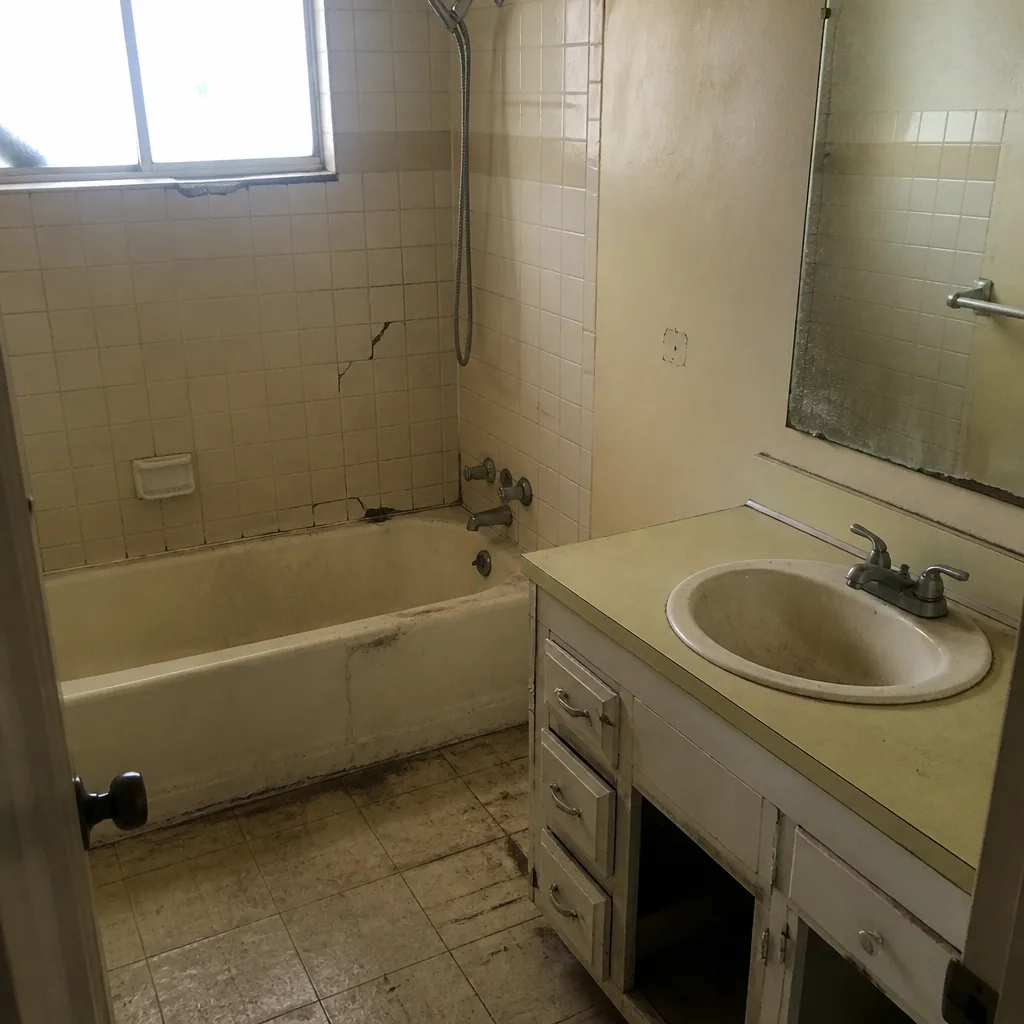 Before
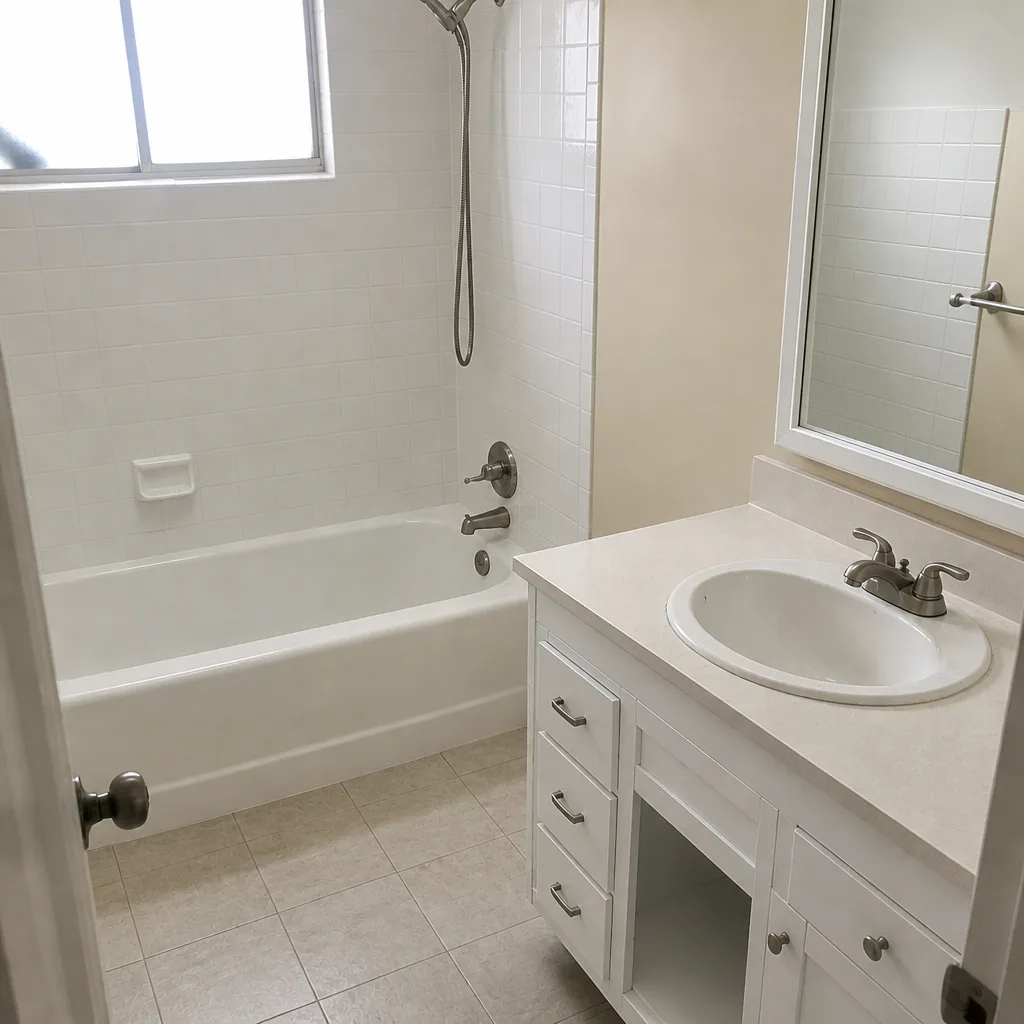 After
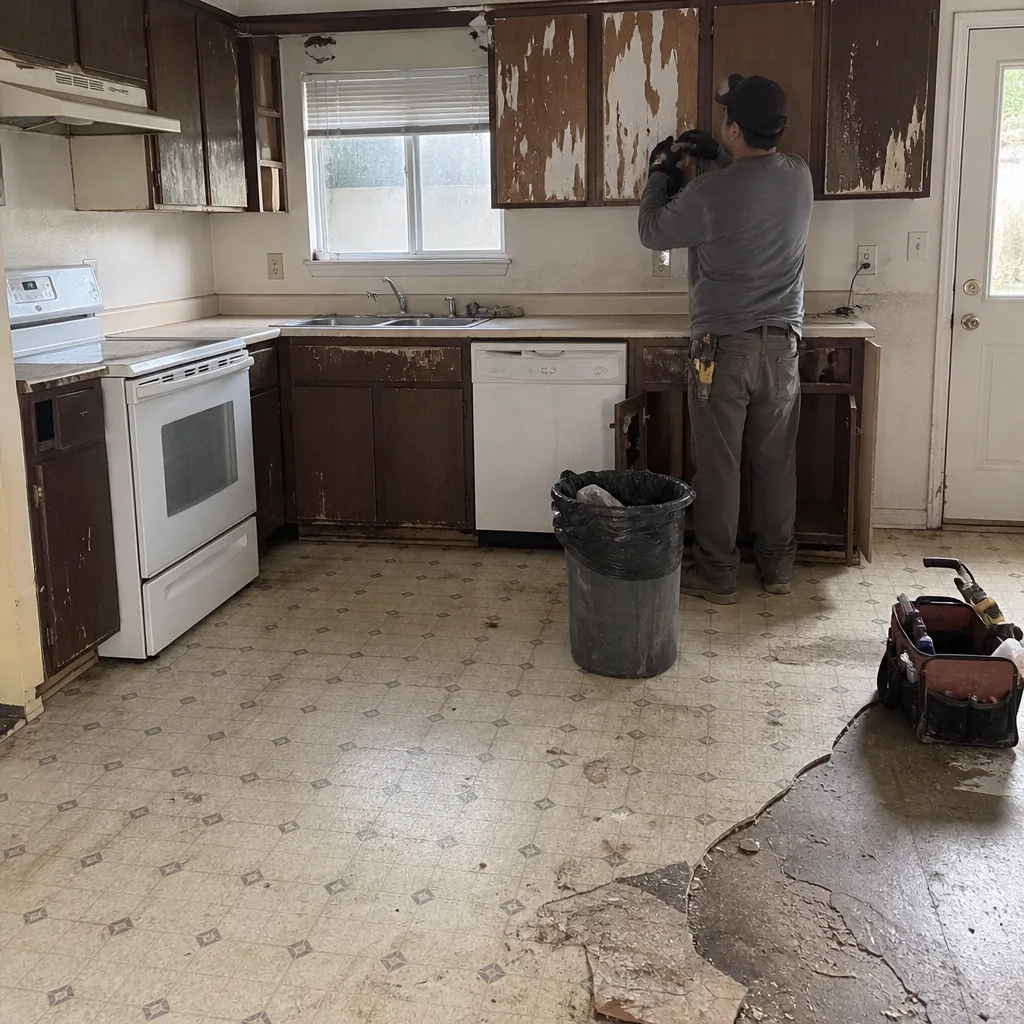 Before
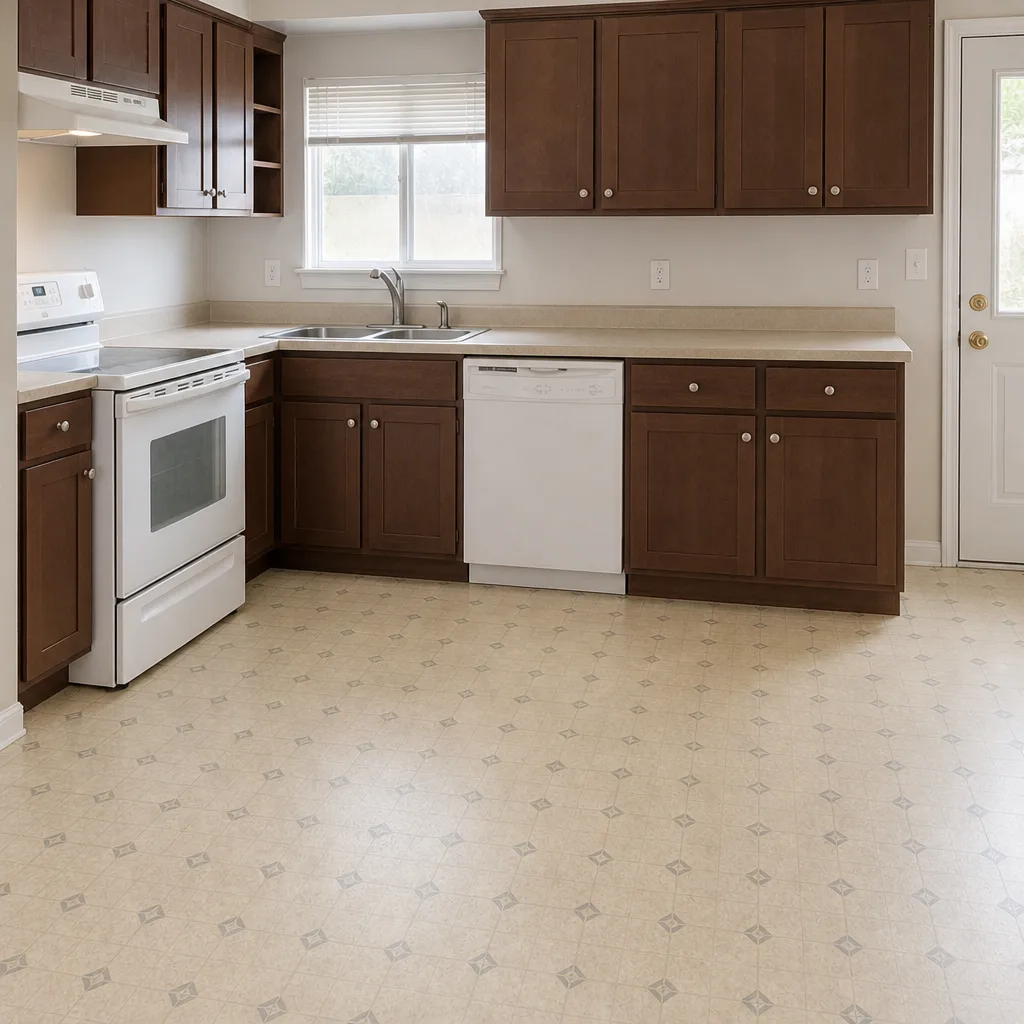 After
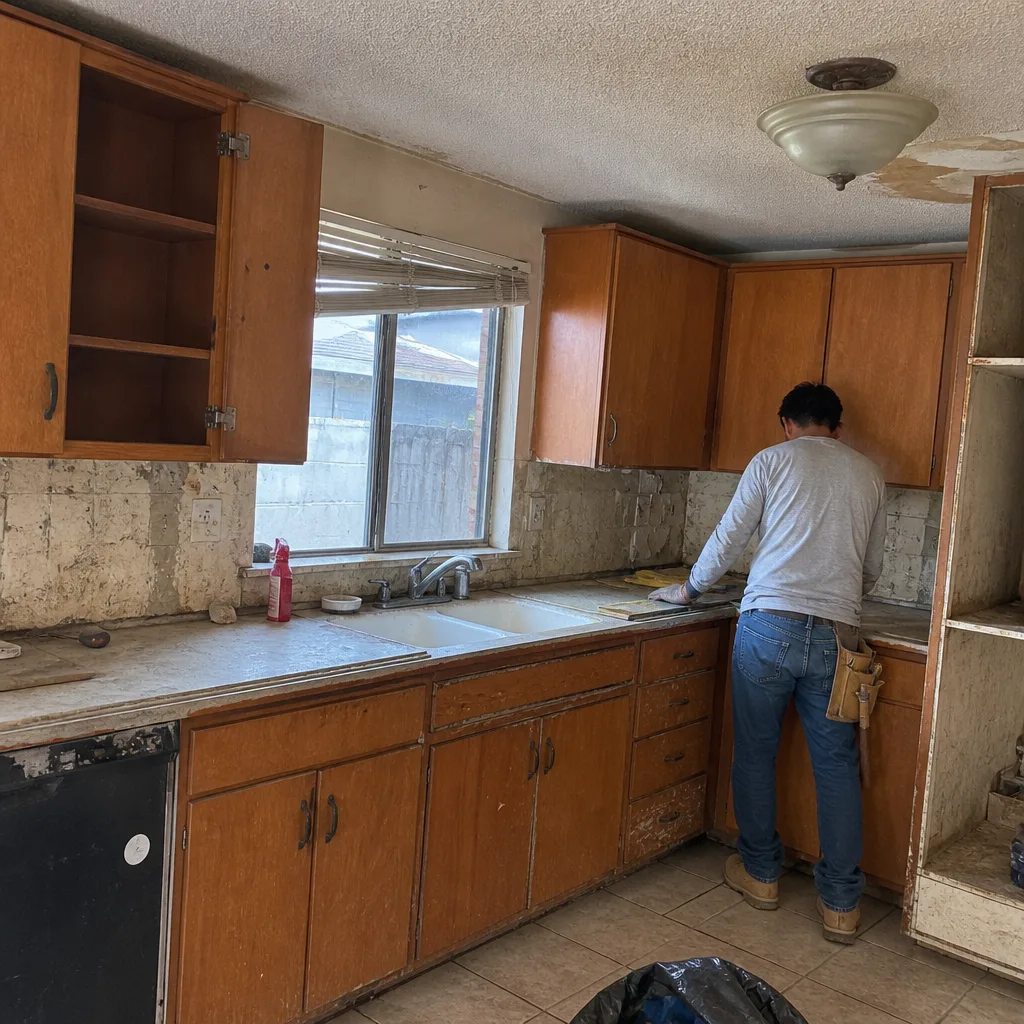 Before
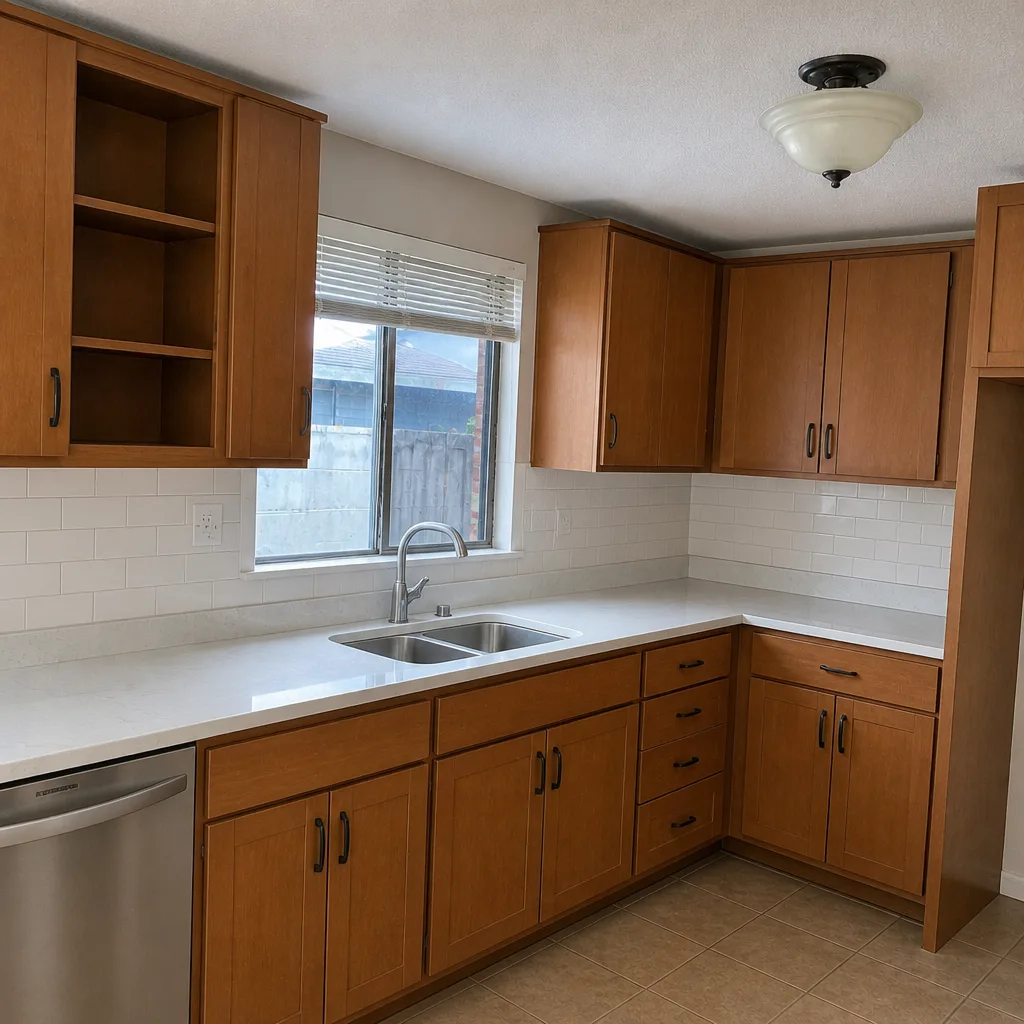 After
When to Call a Professional
Some of this walkthrough you can do yourself, and you should: photographing the rooms, extending a downspout, clearing combustibles from the foundation. But several of these jobs are not homeowner work. Gas shutoff valve and service line work is utility or licensed plumber territory, always. Any correction to grading that involves moving soil against a foundation, cutting into a stem wall, or installing a drain line is a design-and-permit question, and most cities require a permit for structural or drainage work, so ask Citrus Heights’ building department. Vent screening on a two-story home, deck flashing removal and rebuild, and any siding replacement that opens the wall assembly are jobs where the installation quality is what actually determines whether the retrofit works. That’s where we come in. Remodeling Citrus Heights offers free estimates in Citrus Heights. Our technicians have up to 15 years of experience. Call (279) 201-5321 to schedule yours.
Frequently Asked Questions

The two most common are water intrusion from grading and drainage failures during atmospheric river storms, and wind-blown ember entry through unscreened vents and open soffits during wildfire events. A third, less visible category is hidden damage discovered during a remodel: wet framing, failing plumbing, deferred maintenance behind a wall. All three are construction problems with construction answers, and all three are cheaper to fix when you’re planning rather than reacting.
Typical grading and drainage corrections in this market run roughly $800 to $4,500, depending on the length of the run, how much soil has to be moved, and whether a French drain or buried line is included. That’s a typical estimate, and the written estimate sets the final price after we’ve walked the property. Call (279) 201-5321 for an exact quote; estimates are free.
Often yes, and it depends on the scope. Any work that alters drainage onto a neighboring property, involves a retaining wall over a certain height, or touches the foundation typically requires a permit. Ask Citrus Heights’ building department about your specific scope before work begins. We pull the permits and pass the inspections on every job that requires them.
Yes. Vent screening, soffit screening, and deck flashing at the house attachment are standalone jobs that don’t require touching the roof covering. Typical cost for screening the vents on a single-story home is roughly $200 to $900. Roof class upgrades only make sense when the roof is at end of life, and that’s a separate decision on a separate schedule.
Not on the scope you signed. We work from written line-item quotes with fixed pricing and no change orders on approved scope. If we open a wall and find something that wasn’t visible during the estimate, we stop, show you photographs, price the additional work separately in a supplement-style change order, and wait for your approval before proceeding. That’s the process, written into the contract.
Most stabilization jobs are one to three days: tarping, boarding, drying, and securing. The full repair after stabilization is a planned project and runs longer, typically weeks rather than days. We plan the stabilization as a discrete phase so you’re not locked into the rebuild before you’ve had a chance to bid it. Call (279) 201-5321 to schedule your free estimate.
The Bottom Line
Emergency preparedness for a Citrus Heights home is mostly about the failure modes that are specific to this valley floor: heavy clay soil that holds water and pushes it against foundations, and a housing stock that still carries unscreened vents and wood-to-house connections. The corrections are not exotic. Regrade, extend downspouts, screen the vents, flash the deck, and photograph the whole house before anything happens. The gas shutoff, the meter configuration and the insurance file are the three things you need to know before you need them. Start the walkthrough this week while it’s dry. Then call us when you’re ready to price the work.
Call (279) 201-5321 for a free estimate. We answer 24/7. Fast dispatch from 7am to 7pm, Sunday through Friday.
Written by the team at Remodeling Citrus Heights.